
Vandaag of morgen in huis

Kwaliteit gegarandeerd

Welkomstaanbiedingen ontgrendelen: GRATIS bezorging | Tot 80% korting | Gratis 30 dagen JoyPlus-proefperiode
Download de app
When you buy Asian drinks and tea online, you’re faced with a huge choice: from Japanese green tea and organic matcha to Japanese soft drinks, iced tea, sake and Asian beer. Yet an eye-catching packet doesn’t always tell you everything about what’s inside. A small bottle can be relatively expensive, while a large pack might not suit how you actually use it.
That’s why the Joybuy Product Recommendation Officer helps you focus on the information you can check: ingredients, volume, sugar content, alcohol percentage, serving size and storage advice. This way, you can make a more informed choice for home, the office, hospitality or a party.
Japanese ramune, melon soda and sparkling Asian drinks stand out because of their bottle, colour or traditional appearance. Always check the ingredients list. A drink might, for example, be made mostly from carbonated water, sugar, syrup and flavouring. That’s not a bad thing, but it’s important to know before you buy.
The same goes for matcha. Pure matcha is simply ground green tea, whereas a matcha latte or 3-in-1 powder can also contain sugar, creamer, maltodextrin and sweeteners.
A can or bottle of 200 or 300 ml might seem good value, but the price per litre can work out higher than a multipack. For one-off use, a small size is handy. For an office, café or event, a box with several bottles is often more practical.
So compare:
Not every matcha is meant to be drunk straight with water. A pure organic matcha can have a grassy, umami-like flavour with a slight bitterness. A matcha latte powder is often sweeter and creamier because of the added ingredients.
The same goes for Japanese soft drinks. Lychee ramune, melon ramune and white peach soda have a sweet, fruity profile. Japanese green tea without sugar is much less sweet and works better with meals or as an everyday drink.
Read the ingredients before you buy, especially with blended drinks. Look out for milk derivatives, gluten, soya, colourings and sweeteners. The product information can differ from the packaging, so always check the physical label when it arrives.
Examples:
A brand claim about taste or ingredients should be treated as information from the manufacturer. According to the brands’ own product information, flavour, colour and intended use can vary. The ingredients list on the packaging is what you should rely on.
Compare nutritional values per 100 ml or per 100 grams. A drink with around 9 to 12 grams of sugar per 100 ml will, of course, contain more sugar in a 300 ml bottle than the figure on the label per 100 ml suggests.
For matcha powders, the amount you use to prepare it matters. A powder with sugar and creamer can turn out differently per cup depending on how many spoonfuls you add. Follow the preparation instructions and adjust the amount to your taste.
With Japanese sake and Asian beer, check the alcohol percentage, the volume and the type of drink. Nenohi Red Grape + Daiginjo Sake states 7% ABV and a volume of 300 ml. Kirin Ichiban states 5% ABV and 330 ml. Junsui Yuzu Weisse Beer states 4.5% ABV.
Alcoholic drinks are for adults only. Drink responsibly and make sure the required Dutch age verification is in place when you order and receive your delivery. Also watch out for allergens like barley and wheat.
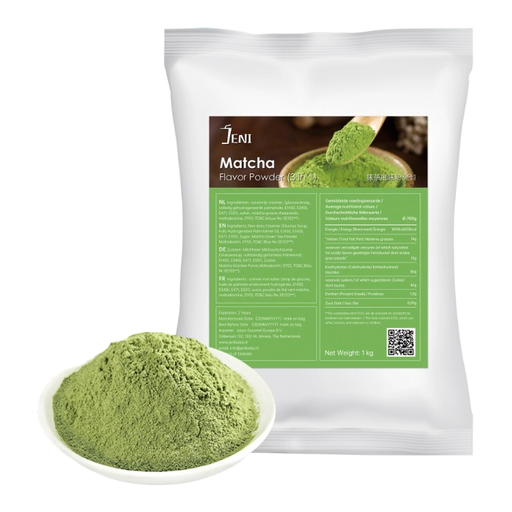
Why this fits the profile: The 1 kg bag is designed for multiple servings and can suit anyone who wants to make matcha latte and milk tea at home or on a small scale.
The ingredients list makes it clear that this is not pure matcha, but a blended 3-in-1 powder with creamer and sugar.
1 kg volume; suitable for hot or cold preparation; preparation steps are listed with the product.
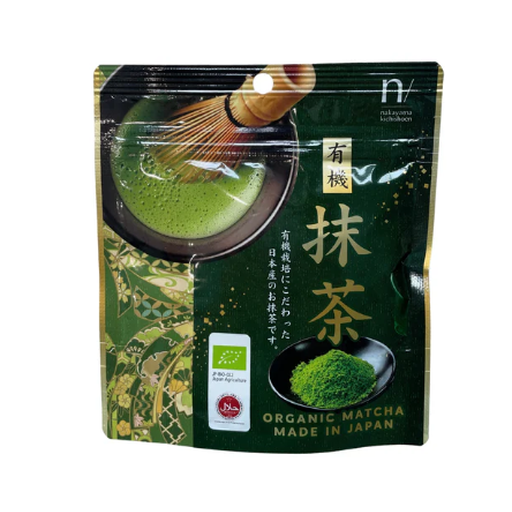
Why this fits the profile: Anyone looking for pure organic matcha for tea, smoothies, baking or a matcha latte gets a small pack with a clear list of ingredients.
The product information states 100% organic green tea, matcha and tencha, with no added flavourings or other ingredients.
Pure composition; 30 g pack; suitable for hot and cold uses.
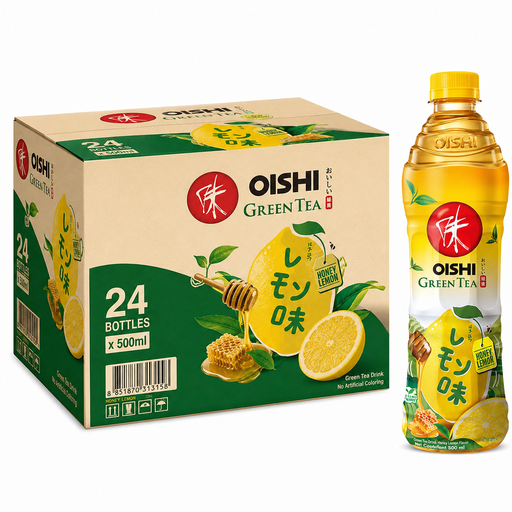
Why this fits the profile: A multipack of 24 bottles of 500 ml is practical for offices, hospitality, parties or households with a regular demand for iced tea.
The number of bottles and the volume are clear upfront, so you can work out your stock and the price per bottle.
24 x 500 ml; green tea with honey and lemon flavour; serve chilled.
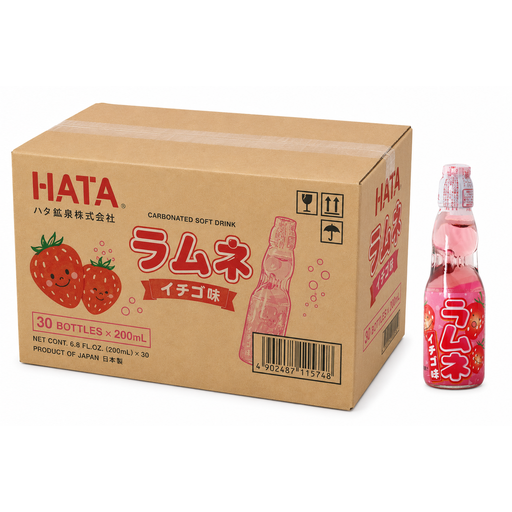
Why this fits the profile: The box of 30 bottles of 200 ml is ideal for letting several guests try a recognisable Japanese soft drink.
The multipack makes the amount per guest predictable; the stated nutritional information helps when comparing sweet soft drinks.
30 x 200 ml; strawberry flavour; serve chilled according to the product information.
For a refreshing citrus twist, Tsuboich Yuzu Matcha Instant Tea is worth a look. This powder combines matcha with yuzu and can be prepared with hot or cold water. Bear in mind the sugar listed in the ingredients.
If you’re after a sweet, fizzy drink, you could also check out Hata Soda White Peach, Hata Soda Musk Melon, Tomato Mango Soda, lychee ramune or melon ramune. For an alcoholic option, Japanese sake and products like Kirin Ichiban, COEDO Marihana and Junsui Yuzu Weisse Beer are available. Check the alcohol percentage, allergens and storage instructions for each product individually.
We’ve put together a full, up-to-date list of products that fully meet these strict selection criteria and comply with current European safety regulations.
Matcha is usually finely ground green tea. A matcha latte powder often contains extra sugar, creamer and sweeteners. If you want to control the ingredients yourself, you’re better off choosing pure or organic matcha. If convenience and a creamy result matter to you, a vegan matcha latte powder can be a good option.
Store unopened bottles in a cool place out of direct sunlight, following the label. Once opened, carbonated drinks should generally be kept chilled and drunk quickly. Before drinking, check the cap, seal and best-before information.
That depends on the price, volume and shelf life. Work out the price per litre and think about how much you’ll actually use. A multipack of Japanese soft drinks or iced tea is especially practical when you need several bottles for an office, hospitality or a gathering.
