
Vandaag of morgen in huis

Kwaliteit gegarandeerd

Welkomstaanbiedingen ontgrendelen: GRATIS bezorging | Tot 80% korting | Gratis 30 dagen JoyPlus-proefperiode
Download de app
If you're looking to buy Asian drinks and tea, you'll find plenty of choice online: from Japanese soft drinks and ramune to lychee drinks, matcha and green tea. However, the look of a bottle or can doesn't tell you much about the taste, ingredients or ease of use. An eye-catching package might be appealing, but it won't always suit what you're after for home, the office or a party.
With this practical guide, you'll know exactly what information really matters.
Japanese soft drinks, melon drinks, Calpis and lychee drinks often have a sweet, fruity profile. So always check the nutritional information per 100 ml and the total content of the whole bottle. For example, Mogu Mogu Lychee contains approximately 11 to 13 grams of sugar per 100 ml according to the product information provided. In a 320 ml bottle, that adds up to around 36 to 42 grams.
A small bottle might look like a single serving, but several bottles in a multipack soon mount up. If you're buying for a family, office or party, it's worth factoring the total volume and nutritional values into your comparison.
Pure matcha is made from finely ground green tea. An instant matcha latte, on the other hand, often contains sugar, creamer and sweeteners. This makes it easier to prepare, but the product has a different taste and ingredient profile.
So always check the ingredients list:
Also pay attention to colour claims and terms like "ceremonial". According to information from the brands themselves, such a description doesn't automatically tell you how the product will suit your preparation method or taste preference. Instead, focus on origin, ingredients, net weight and storage advice.
With imported products, the packaging, recipe or nutritional values can change. The product page is handy for comparing flavours and sizes, but always check the label on the packaging before use. This is especially important for allergens, shelf life, ingredients, alcohol content and preparation instructions.
For example, ramune may list a colouring or flavouring. Tea with barley may contain gluten. A product without the 14 main EU allergens is not the same as a product that is suitable for every individual allergy.
Start by looking at the ingredients in descending order. If sugar or fructose syrup appears near the top, it forms a significant part of the recipe. Then compare the sugars per 100 ml and the content per bottle.
For powders, check the nutritional information per 100 grams and the recommended amount per cup. A matcha powder without sugar offers different possibilities than a sweetened instant mix.
A 200 ml or 245 ml bottle is practical for a single drink. A 1-litre pack, such as Calpis, is better if you want to pour several glasses or need a base for a mocktail. Multipacks of 6, 24 or 30 are handy for a party or office, but less suitable if you want to try different flavours first.
Also consider:
Always read the allergen information. Milk, soya and gluten can appear in Calpis, certain creamer products and tea with barley respectively. For alcoholic varieties, the alcohol percentage is clearly stated on the label. For example, Nenohi Red Grape + Daiginjo Sake lists 7% vol.; this is not a non-alcoholic sake drink and is therefore only suitable for adults.
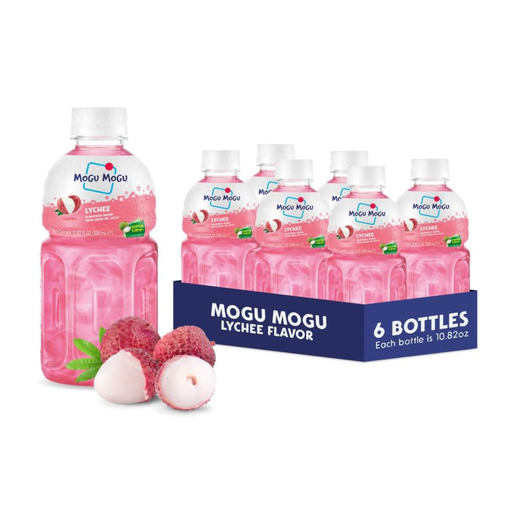
Why this suits the profile: The pack contains six 320 ml bottles, so you can share a popular lychee flavour without buying a large crate straight away.
The flavour and texture are clearly described. Do check the sugar content and ingredients on the label; nata de coco makes this drink different from ordinary soft drinks.
Six individual bottles, lychee flavour and nata de coco pieces for a different drinking experience.
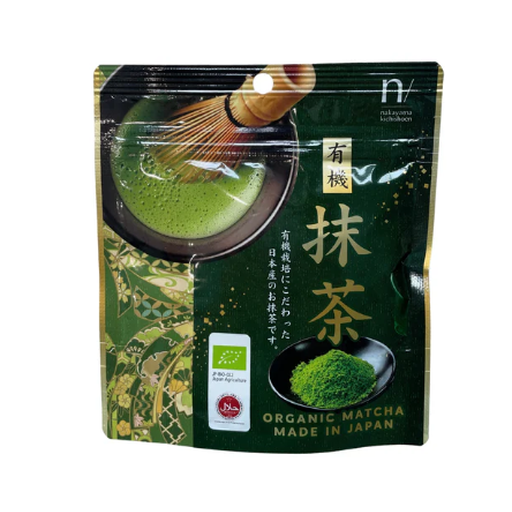
Why this suits the profile: This is a pure matcha with no added flavourings or other ingredients, suitable for traditional preparation, lattes, smoothies and baking.
The ingredients list states 100% organic green tea, matcha and tencha. This means you're not buying a latte powder when you're looking for pure matcha.
30 grams of pure powder, with no added flavours, suitable for both hot and cold preparations.
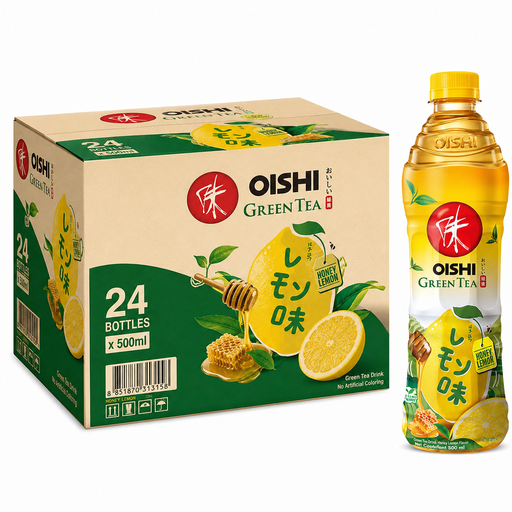
Why this suits the profile: 24 bottles of 500 ml are practical for an office, large household, catering or a party where chilled drinks need to be available straight away.
The number of bottles and volume are clear upfront. Do check the stated sugar content and allow for storage space for 24 bottles.
Ready-to-drink green tea with honey and lemon flavour, in 24 bottles of 500 ml.
We've put together a full, up-to-date list of products that fully meet these strict selection criteria and comply with current European safety regulations.
For a fruity option, you could look at Sagiko Lychee Drink, Tomomasu Miyazaki Mango Ji cider or Tomomasu Yubari Melon Cider. If you're mainly after a Japanese soft drink, you can compare ramune with lychee, melon or strawberry flavours. For hot preparations, ITOEN Matcha + Green Tea Rich Taste Powder, Kataoka Tsujiri Matcha Milk and Tsuboich Yuzu Matcha Instant Tea are relevant options.
When choosing a drink with an unusual package, don't just focus on the shape. The bottle volume, ingredients, sugar content and shelf life determine whether the product is practical for your needs.
Check the volume per bottle, flavour, ingredients, nutritional information, allergens and storage advice. Also consider whether you're buying a single bottle or a multipack. With imported drinks, it's wise to read the final label before consuming the product.
Ramune is a carbonated Japanese soft drink that is often sold in a distinctive bottle with a glass marble. The flavour can be, for example, lychee, melon or strawberry. The exact ingredients and nutritional values vary by variant.
Store opened matcha and instant tea in a cool, dry place away from direct sunlight. Seal the packaging tightly and keep it away from moisture and heat. Always follow the storage advice and shelf life information on the packaging.
