
Vandaag of morgen in huis

Kwaliteit gegarandeerd

Welkomstaanbiedingen ontgrendelen: GRATIS bezorging | Tot 80% korting | Gratis 30 dagen JoyPlus-proefperiode
Download de app
Buying Asian drinks online gives you plenty of choice: from instant coffee and Asian tea to matcha latte, ginger drinks and bubble tea kits. At the same time, it can be tricky to quickly compare flavour, ingredients, portion size and preparation method. A striking packet tells you little about the sugar content, the amount of coffee or the presence of allergens.
With this practical buying guide, you’ll know exactly what to look for before ordering coffee and tea online. The recommendations are based on verifiable product information such as ingredients, nutritional values, contents and preparation method.
Terms like “Dubai chocolate”, “matcha” or “authentic Thai drinks” often describe the flavour profile rather than the actual composition. Always check the ingredients list. In Douwe Egberts Dubai Chocolate Style Instant Coffee, for example, instant coffee makes up 5.6% of the total composition. The drink also contains sugar, glucose syrup, milk powder and flavourings.
That doesn’t make the product unsuitable, but it is different from pure instant coffee. If you’re mainly after a strong coffee, it’s better to look at the coffee percentage and the preparation method.
Don’t just compare the weight – compare the number of servings too. A jar of Korean lemon tea weighing 500 g, such as TBEST Drinks Lemon Tea in jar, is prepared with roughly two teaspoons per glass. With sachets, the serving size is usually clearer, for example 16 g or 25 g.
So work out the price per prepared serving. This is especially useful for instant tea, matcha latte, ginger drinks and chocolate drinks.
Milk, soya, gluten, sesame and fruit ingredients are common in international drinks. A bubble tea kit, for instance, may contain milk powder and sodium caseinate. A Chinese herbal tea with red dates and liquorice can contain wheat.
Always check before you buy:
The information on the product packaging is the most reliable, as recipes and labels can change.
First, look at the first three ingredients. Ingredients are listed in descending order by quantity. If sugar appears first, it’s likely a sweetened drink mix. With Goldkili Instant Ginger Turmeric Drink, the mix consists of sugar, ginger extract and turmeric extract; each sachet of around 16 g provides approximately 64 kcal and 15 g of sugar.
The sugar content is also relevant for a ginger and lemon drink. According to the product information, Goldkili Instant Ginger Lemon Drink contains around 16.1 g of sugar per 18 g serving. That’s useful information when comparing different instant drinks.
Think about how you want to use the drink:
With Ranong Lemon Lime Instant Thai Tea Mix, according to the product information you add one sachet to around 150 ml of hot water. For iced tea, let the drink cool down or pour it over ice.
Not every tea is caffeine-free. Black tea, green tea, matcha and coffee can all contain caffeine. The Yongpu Dark Chocolate Espresso Liquid states around 70 mg of caffeine per 25 g serving. The Luckin Instant Coffee comes in individual 2 g sachets and is prepared with around 150 ml of water.
Also watch out for alcohol. Apenshot Liqueur has an alcohol content of 14% and is therefore not an alternative to a regular soft drink or non-alcoholic beverage. Also check for ingredients like liquorice if you prefer to avoid it.
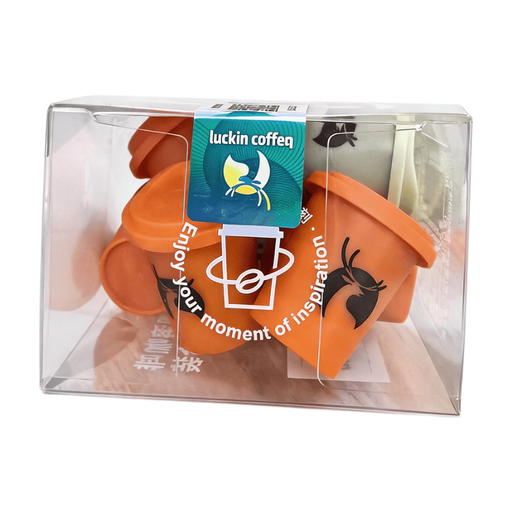
Why this fits the profile: The 16 individual 2 g sachets make it easy to try different varieties first without opening a large pack.
The serving size and preparation method are clearly stated. The three varieties have separate nutritional information, so you can compare flavours.
Arabica coffee according to the product description, 2 g sachets and suitable for hot or cold water.
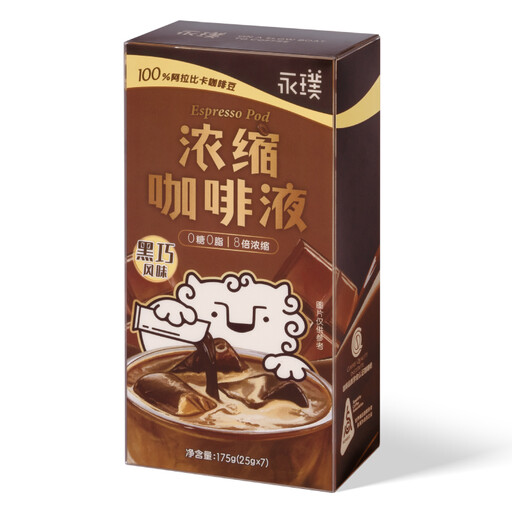
Why this fits the profile: This concentrated coffee base is ideal for anyone who wants to switch between Americano, latte and iced coffee at home.
The packaging states 7 sachets of 25 g and a recommended amount of 160–200 ml of liquid. This means you can adjust the strength per cup more easily.
According to the ingredients list, it contains 99.6% coffee extract made from Arabica coffee beans; one serving contains around 70 mg of caffeine.
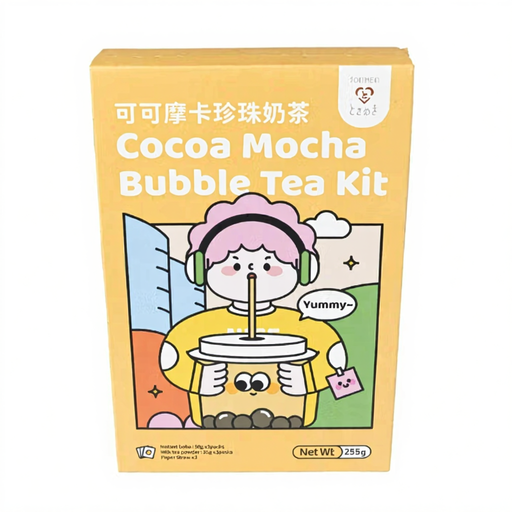
Why this fits the profile: The kit is designed for anyone who wants to make bubble tea at home for multiple occasions, for example with housemates or during a get-together.
The set includes both drink mix and tapioca pearls. So you don’t need to search for the base components separately. Do check the allergens and preparation instructions beforehand.
255 g contents, cocoa and matcha flavour, tapioca pearls and milk listed as an allergen.
For a simple hot drink, instant coffee, instant tea or chocolate drink are practical. According to the product description, Nesquik Original Chocolate Powder can be used with both hot and cold milk. Nestlé Milo is a powder based on malt, cocoa and milk powder; the ingredients list also mentions barley and soya.
If you want to alternate fruity flavours, you could choose Pickwick Cherry Fruit Tea or the Pickwick Fruit Variation with cherry, tropical fruit, mango and melon. With cherry tea, check the stated cherry ingredients. For a caffeine-free option, you can check the ingredients list of a herbal tea, such as the sweet jujube and liquorice tea; this one does contain wheat and gluten.
A matcha latte is usually creamier and sweeter than pure matcha. According to the product information, Ranong Tea Instant Matcha Green Tea Latte contains 9.7% matcha powder and 26.5% whole milk powder. Goldkili Instant Matcha Ginger Latte combines green tea, 2% matcha powder and ginger powder. So compare the ratio of tea, milk powder and sugar in particular.
We’ve put together a full, up-to-date list of products that fully meet these strict selection criteria and comply with current European safety regulations.
Instant coffee, instant tea, ginger drinks and matcha latte are usually the simplest. Often you just add one sachet to hot water and stir the mix through. Check the stated amount of water, as this determines the strength and sweetness.
Store powders and tea mixes in a cool, dry place away from direct sunlight. Seal jars and bags tightly to keep moisture out. Ready-to-drink iced coffee with milk often needs to be refrigerated after opening according to the packaging and used within the stated period.
Check both the nutritional values per 100 g and per serving. Also check whether coffee, black tea, green tea or matcha is present. If you’re unsure about caffeine, allergens or suitability, the current product packaging is the most reliable source.
