
当日/次日达

品质保障

开启新人专享福利: 全场免邮 | 低至 2 折 | 免费试用 30 天 JoyPlus 会员
下载 Joybuy
Buying Asian drinks might seem straightforward, but the range varies greatly in flavour, ingredients and pack size. A tropical fruit drink, for example, can be high in sugar, while a product labelled “coconut water” doesn’t always contain pure coconut water alone. Likewise, a large multipack isn’t automatically good value if you haven’t properly assessed the content or shelf life.
With this practical guide, you’ll know exactly what to look for on the label. That way, you can find the right Asian soft drink, Asian tea, Vietnamese coffee or other beverage for home, a party, the office or catering.
Words like natural, tropical or authentic mainly describe a product’s positioning. Always check the ingredients list instead. According to the product information, Bamboo Tree Coconut Water consists of 98.5% coconut water and cane sugar. MAAZA Guava Drink, on the other hand, contains 17% guava juice from concentrate, along with water and sugar.
You’ll notice the difference not only in taste, but also in the sugar content and how you want to use the drink.
A crate of 24 cans is practical for an event, business or catering outlet. For a household, a smaller pack may be more convenient. Consider:
A multipack of drinks can simplify your stock, but only if your consumption matches it.
A drink with nata de coco contains pieces of coconut jelly. That means Mogu Mogu Melon isn’t the same as a regular melon soft drink. With coffee and energy drinks, it’s important to check the ingredients and caffeine content. According to the product information, Carabao contains 10.8 mg of caffeine per 100 ml. Vietnamese coffee can also taste strong because it uses Robusta beans.
For alcoholic options, such as Cass Fresh Beer or Safari Senza, always check the alcohol percentage and the legal age restrictions.
Compare products on the same basis: usually per 100 ml. This stops a small portion from appearing to contain less sugar than a larger bottle.
Examples from the range:
So an aloe vera drink, coconut water or fruit juice isn’t automatically sugar-free. Also check whether it contains juice from concentrate, added sugar, sweeteners or syrups.
The origin can help you choose a flavour profile, but it doesn’t determine quality on its own. Also look at the ingredients.
When it comes to claims about taste or effect, the product information is the relevant source. Brand descriptions are not an independent guarantee. Based on a brand’s own research, certain properties may be highlighted, but always check the label and product details.
A 1-litre bottle is suitable for sharing or mixing. Smaller bottles and cans are easier to serve in individual portions. Also pay attention to the instructions after opening: many fruit drinks, coconut water and aloe vera drinks need to be kept refrigerated and used within a limited time.
For business buyers, cases such as DOUBLE PANDA Coconut Water 12 × 1 litre, Carabao 24 × 250 ml and Cass Fresh Beer 24 × 330 ml are practical. Check beforehand whether the storage temperature, shelf life and terms of sale suit your situation.
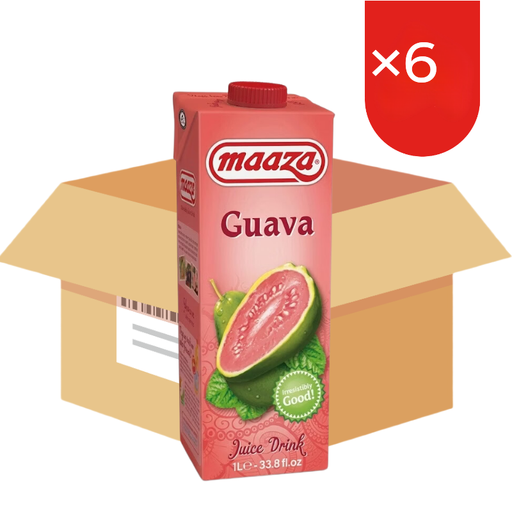
Why this suits the profile: The box contains six 1-litre packs and is ideal for sharing at home or serving chilled with a meal.
The product information states 17% guava juice from concentrate and 11 g sugar per 100 ml, so you can assess the ingredients beforehand.
6 × 1 litre; guava flavour; no declarable allergens according to the product information.
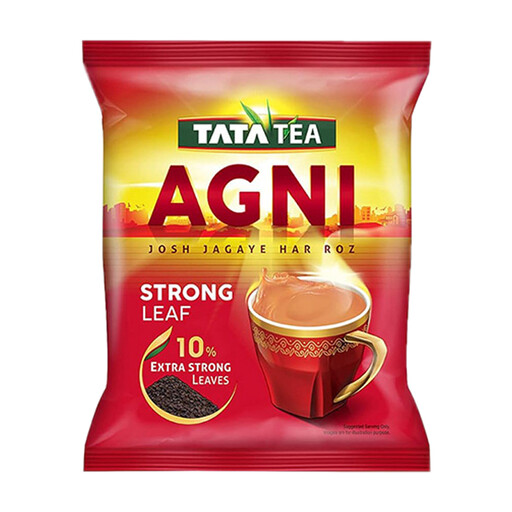
Why this suits the profile: A 900 g bag is perfect for daily black tea lovers and households that brew tea regularly.
The ingredients list states 100% black tea, with no unclear fruit or flavour blend.
900 g loose leaf tea; from India; suitable for serving with milk and sugar.
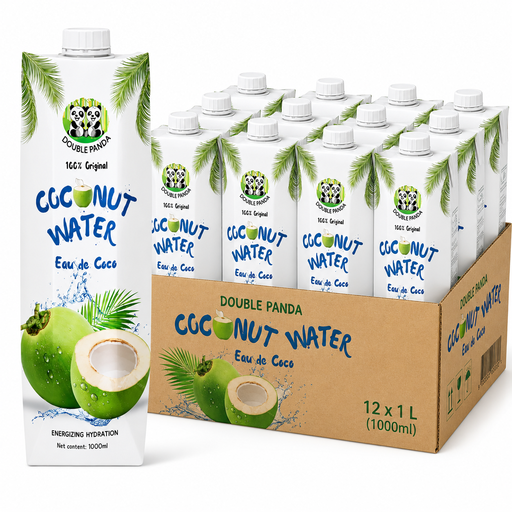
Why this suits the profile: The case of twelve 1-litre packs is aimed at offices, catering, hospitality and large households.
The packaging and content are clearly specified as 12 × 1 litre; the ingredients list coconut water and cane sugar.
Bulk pack; product from Vietnam; 23 kcal and 4.5 g sugar per 100 ml according to the product information.
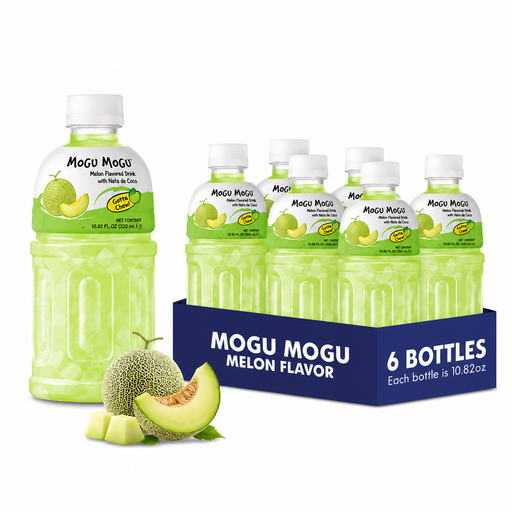
Why this suits the profile: Six 320 ml bottles are easy to serve chilled, and the nata de coco gives the drink a distinctive texture.
The product description explicitly states 15% nata de coco, so you know it’s not a regular smooth soft drink.
6 × 320 ml; melon flavour; nata de coco; product from Thailand.
We’ve put together a full, up-to-date list of products that fully meet these strict selection criteria and comply with current European safety regulations.
Choose a pack based on the number of guests. A multipack of cans, such as KA Black Grape 24 × 33 cl or Carabao 24 × 250 ml, is easy to serve in individual portions. For larger groups, a case of 1-litre packs may be more practical. Check the caffeine content for energy drinks and the alcohol percentage for beer or other alcoholic beverages.
Always follow the label. Many fruit drinks, coconut water and aloe vera drinks need to be refrigerated after opening and used within the stated period. Store unopened packs and bottles in a cool, dry place away from direct sunlight. Do not use a pack if the seal is damaged.
That depends on the beans, roast, grind and brewing method. According to the product information, Trung Nguyen Creative 1 contains Culi Robusta and is described as dark and strong. G7 3-in-1 contains coffee, creamer and sugar in 16 g sachets. If you are sensitive to caffeine, always check the packaging and consider the amount you use.
