
当日/次日达

品质保障

开启新人专享福利: 全场免邮 | 低至 2 折 | 免费试用 30 天 JoyPlus 会员
下载 Joybuy
If you’re looking to buy Asian drinks online, you’ll quickly come across dozens of options: soy drinks, teas, fruit drinks and sparkling fruit beverages. The packaging catches your eye, but it doesn’t always tell you how much sugar, tea extract or fruit juice is actually inside. The size can also be a letdown – a multipack of small cartons is handy for on the go, but less practical if you’re stocking up for the whole family.
With this practical buying guide, you can compare Asian soft drinks, soya milk, Asian tea and coconut water on the points that really matter. That way, you’ll choose a drink that suits your taste, the occasion and your household.
“Peach”, “mango” or “passion fruit” doesn’t automatically mean a drink is mostly fruit juice. Always check the ingredients list and the percentages. For example, the Vitasoy Mango Drink states it contains at least 13% mango purée. The Hao Blossom & Peach Sparkling Water lists 8.7% peach juice, 5.5% apple juice concentrate and 5.2% pear concentrate.
That difference determines whether you’re buying a distinctly fruity drink or mainly a sweet fizzy drink with flavouring.
Marketing terms can vary from brand to brand. Look at the nutritional values per 100 ml rather than just the front of the pack. The Vitasoy Soya Bean Milk with Less Sugar states 4.0 grams of sugars per 100 ml. The classic Vitasoy Original Soy Milk lists 7.0 grams of carbohydrates per 100 ml, but the exact sugar content isn’t broken down separately in the product information.
Comparing per 100 ml makes different packs easier to compare fairly.
A box of 24 bottles is practical for a party or regular consumption, but it takes up more storage space than a pack of six. Also pay attention to the storage instructions. Many drinks need to be refrigerated after opening and used within 24 hours or a few days. For long-life products, always check the date and the label on the packaging.
Start by checking the ingredients list. For soya drinks, soya milk and plant-based drinks, look out for the word soya as an allergen. According to the product information, V-SOY Original Soy Drink also contains barley, so it’s not suitable for anyone who needs to avoid gluten from barley. Yeo’s Black Soy Drink contains soya extract, sugar and various stabilisers.
For vegans and vegetarians, the ingredients matter more than just the product name. A tea like Sunflower Jasmine Tea is described as suitable for vegetarians and vegans and contains jasmine flowers and green tea. If in doubt, always check the actual packaging.
A pack of 250 ml x 6 contains 1.5 litres in total. Individual cartons are handy for lunch, school or on the go. A 1-litre pack, such as Bamboo Tree Coconut Water or V-SOY, is often more practical for breakfast, smoothies or serving in several glasses.
Also note the difference between a ready-to-drink beverage and a powder. Yonho Pure Soy Milk Powder contains 180 grams of powder and, according to the product information, should be mixed with around 180 ml of hot water. Joyoung Strawberry Soy Milk Powder comes in six sachets of 20 grams each and is intended to be prepared with around 150 ml of warm or hot water.
Ready-to-drink Chinese drinks and Vietnamese drinks can usually be consumed straight away. Many varieties taste different when chilled compared to room temperature. Loose-leaf tea requires more preparation. Sunflower Jasmine Tea can be brewed hot with water at around 80 to 85 °C, but it’s also described as suitable for cold brew.
For sparkling fruit drinks, also check that you open the bottle carefully and whether the drink should be served chilled. A carbonated drink is not the same as coconut water, fruit juice or soya milk.
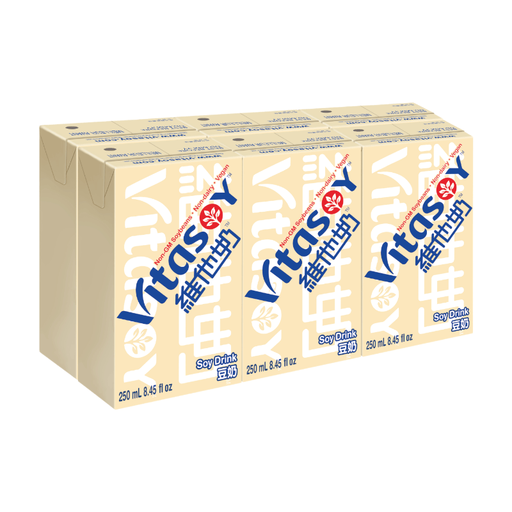
Why this fits the profile: Six 250 ml portions are easy to manage for breakfast, lunch or a first introduction to soya drink.
The product information lists soya as an ingredient and gives values per 100 ml, so you don’t have to judge the contents by the packaging alone.
250 ml per carton; according to the product description, suitable for drinking chilled, with breakfast cereals or in desserts.
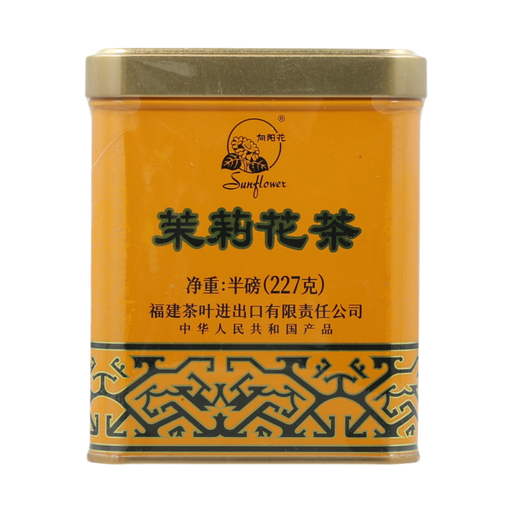
Why this fits the profile: Loose-leaf Asian tea suits shoppers who want to control the strength, temperature and whether to serve it hot or cold.
The brewing instructions mention dosage, temperature and steeping time. So you know in advance that this isn’t a ready-to-drink beverage.
Green tea with jasmine flowers; suitable for hot brewing and cold brew; storage instructions to preserve the aroma.
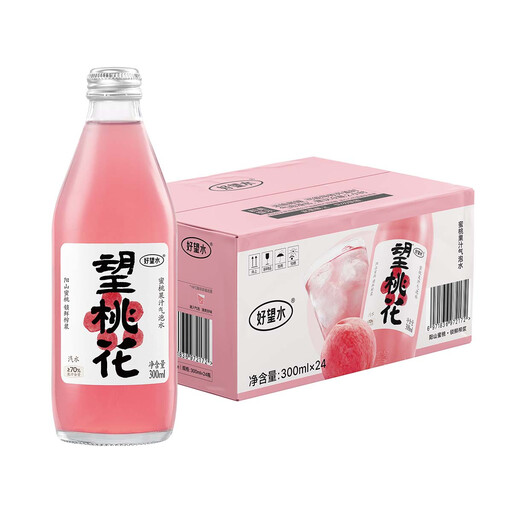
Why this fits the profile: A box of 24 bottles is practical for parties, catering-style supplies or regular serving alongside spicy meals.
The product information lists the juice percentages and nutritional values per 100 ml. So you can check the fruit content and size in advance.
24 bottles of 300 ml; carbonated; according to the product information, 31 kcal per 100 ml and suitable for serving chilled.
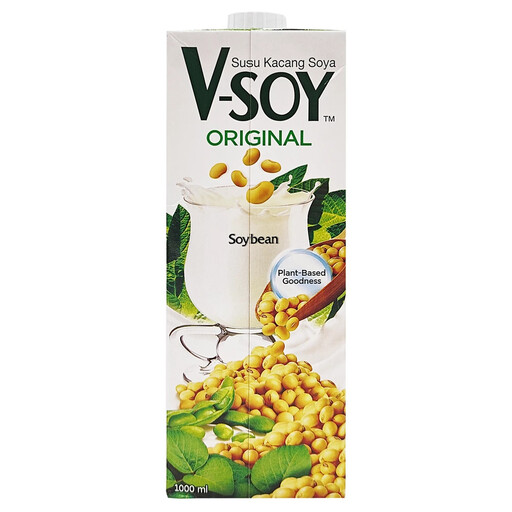
Why this fits the profile: The litre carton is ideal when several people use the same plant-based drink for breakfast, coffee or smoothies.
The product information states a volume of 1 litre and the presence of soya and gluten from barley. This prevents confusion about size and allergens.
Per 100 ml, the product information lists 64 kcal, 3.1 grams of protein and 4.7 grams of sugars; can be used in coffee, smoothies or recipes.
We’ve put together a full, up-to-date list of products that fully meet these strict selection criteria and comply with current European safety regulations.
A soya drink in a litre carton is handy for several glasses, breakfast cereals, coffee or smoothies. Choose a multipack of 250 ml when portions for on the go are more important. If you have allergies, always check for soya, gluten and other mentions on the actual label.
Follow the instructions on the packaging. Many long-life drinks need to be refrigerated after opening and consumed within 24 hours or a few days. Unopened cartons and bottles should generally be stored in a cool place out of direct sunlight, unless the label states otherwise.
That depends on the price per litre or per 100 ml, the delivery costs and the amount you actually use. Divide the total price by the total number of millilitres. A multipack can be good value for parties or daily use, but a smaller pack avoids waste if you want to try a new flavour first.
