
Vandaag of morgen in huis

Kwaliteit gegarandeerd

Welkomstaanbiedingen ontgrendelen: GRATIS bezorging | Tot 80% korting | Gratis 30 dagen JoyPlus-proefperiode
Download de app
If you’re looking to buy Asian drinks online, you’ll find a huge selection: from Asian soft drinks and tropical fruit juices to Japanese beer, bubble tea and coconut water. The packaging often gives a strong impression of exotic flavour, but the important differences are usually in the small print. A mango drink, for example, might contain relatively little mango, while a multipack may seem good value but doesn’t suit how much you actually drink.
With this practical buying guide, you can compare products on verifiable points. That way, you’ll find a drink for everyday use, an Asian dinner, a party or your store cupboard.
Mango, guava and melon are popular flavours, but always check the percentage of fruit juice or purée. Maaza Mango, for example, states 17% mango purée and 1% lemon juice from concentrate. Maaza Guava contains 16% guava juice from concentrate. The rest is made up of water, sugar and other permitted ingredients.
Also pay attention to the difference between “fruit drink”, “juice from concentrate” and “purée”. These terms don’t describe the same product. If you’re after a pronounced fruit flavour, it’s better to compare the ingredients list and nutritional values side by side rather than just looking at the front of the label.
In some drinks, sugar occurs naturally from fruit or milk components. Other products use sweeteners. Taksi Tropical Fruit Drink, for example, is described as having no added sugar, but it does contain sucralose and naturally occurring sugars. So always look at the carbohydrates, of which sugars table, per 100 ml and per pack.
Coconut water also deserves attention. IAM Superjuice Coconut Water is offered without added sugar and, according to the product information, contains 100% coconut water with 2% coconut pieces. That makes it a different choice from a sweetened tropical fruit drink.
A box of six or twelve bottles can be handy for a household or a party, but do check:
A 330 ml bottle is suitable for one drinking occasion, while a 1-litre bottle is better for sharing at the table. With bubble tea kits, you also need to check whether tapioca pearls, powder and straws are included.
For individual use, sizes from 190 to 330 ml are practical. Caffe Bene Peach Ice Tea, for example, comes in a 190 ml pouch. Mogu Mogu Melon is available as a 320 ml bottle and as a pack of six. For families, 1-litre bottles or boxes with multiple packs are often more sensible.
Pay attention to the difference between net content per unit and total content of a set. “6 x 1 litre” means something different from “6 x 250 ml”, even if both are shown as a multipack.
Check before you buy:
Mogu Mogu Melon contains 15% nata de coco and, according to the stated information, has 49 kcal and 11 grams of sugar per 100 ml. The coconut jelly pieces give it a different texture from regular Asian soft drinks. With JENI Bubble Tea Kit Classic Milk Tea, milk is listed as an allergen; that’s relevant when you’re preparing it for several people.
Product information can change. So always check the physical label on the packaging, especially for allergies, dietary preferences and storage advice.
For alcoholic drinks from Asia, the alcohol percentage, bottle size and ingredients are important points of comparison. Chang Beer Classic 320 ml contains approximately 5% alcohol by volume according to the product information and is described as a Thai lager. Kirin Ichiban has 5.0% alcohol and comes in a 330 ml bottle.
Nenohi Red Grape + Daiginjo Sake Sweet combines daiginjo sake with red grape juice and contains 7% alcohol by volume. The 300 ml bottle is aimed at a sweeter, fruitier drinking experience. “Lighter” here simply means a lower alcohol percentage than some stronger drinks; it remains an alcoholic product. Alcohol is intended exclusively for adults aged 18 and over.
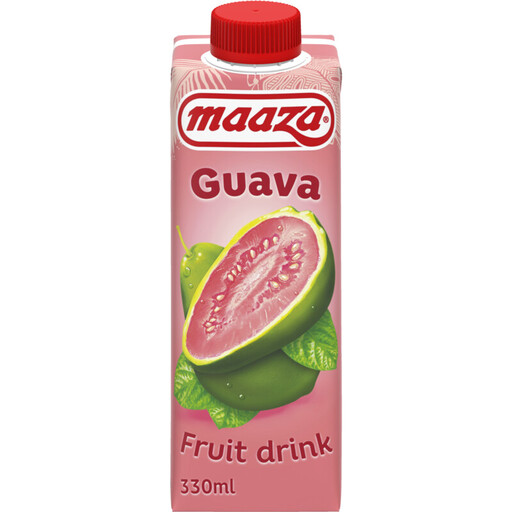
Why this fits the profile: A single bottle size makes it easy to try guava drink without buying a large quantity straight away.
The product information states 16% guava juice from concentrate, so you can assess the fruit content rather than relying solely on the packaging.
330 ml per bottle, 29 kcal per 100 ml according to the product information, and best served chilled.
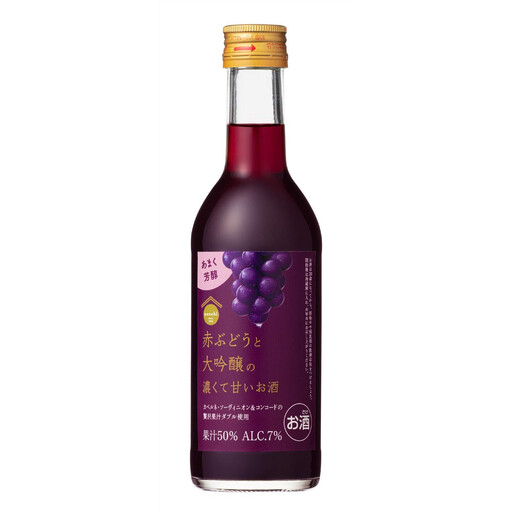
Why this fits the profile: Ideal for those seeking Japanese sake with a sweet and fruity flavour profile for a small group or with dessert.
The alcohol percentage of 7% vol. and the 300 ml content are clearly stated. This allows you to weigh up the size and alcohol strength in advance.
Daiginjo sake, red grape juice and a sweet, fruity profile; suitable for serving with dessert or light snacks.
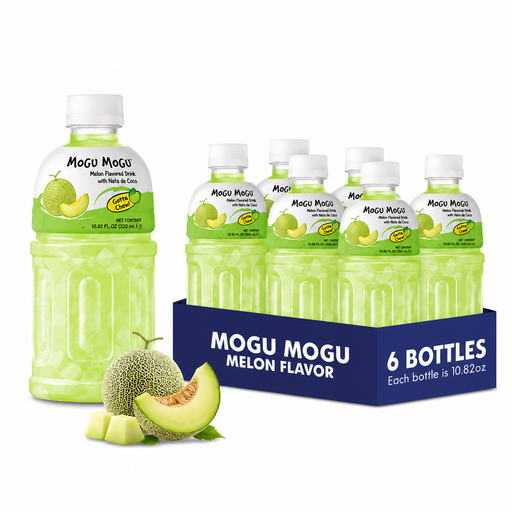
Why this fits the profile: A 6-pack is ideal for parties, families and enthusiasts who want to serve an Asian drink with texture on a regular basis.
The packaging states both six bottles and 320 ml per bottle. It also lists 15% nata de coco, so the chewy texture comes as no surprise.
Melon flavour, nata de coco pieces and a clear multipack format; best served chilled.
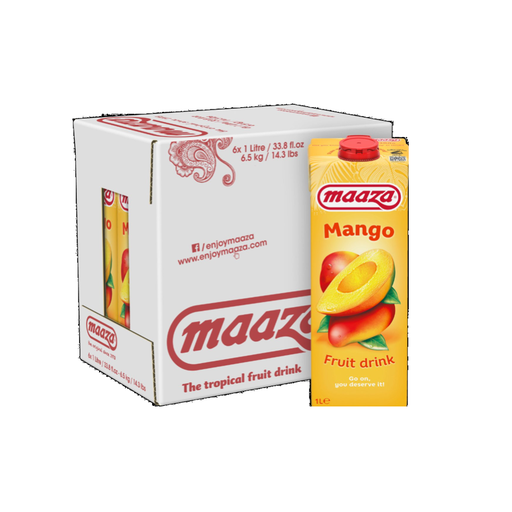
Why this fits the profile: The total volume is practical for family use, meals and stocking up on tropical fruit drink.
The format is concrete: six bottles of one litre each. The product information also states 17% mango purée and 10.8 grams of sugar per 100 ml.
Large stock, 1-litre packaging and mango as a recognisable tropical flavour.
We’ve put together a full, up-to-date list of products that fully meet these strict selection criteria and comply with current European safety regulations.
Alongside fruit drinks, you’ll also find Korean drinks, Thai drinks and Japanese drinks. Think of ready-to-drink tea, chrysanthemum tea, iced tea, instant ginger drink and Japanese sake. Yeo’s Chrysanthemum Tea comes as 6 x 250 ml and, according to the product information, contains 20% chrysanthemum flower extract. For home preparation, the JENI Bubble Tea Cup Mix with taro, milk and strawberry flavours and the JENI PLAYB Bubble Tea Kit Classic Milk Tea are practical options.
If you’re after coffee, you can also look out for ready-to-drink Korean coffee, such as an Americano in a small can or bottle. With all these products, compare ingredients, serving size and storage advice before buying multiple units.
First, check the type of drink: fruit drink, tea, coconut water, soft drink, bubble tea or alcoholic product. Then look at the volume, ingredients, sugar per 100 ml, allergens and the number of units. For alcoholic drinks, also include the alcohol percentage and the legal age limit of 18 in your comparison.
Store unopened products according to the label, usually in a cool, dry place away from direct sunlight. After opening, many fruit drinks and tea drinks need to be refrigerated. Pay attention to the stated period after opening. Gently shake products with fruit pieces if recommended on the packaging.
That depends on the price per litre, how much you drink and the shelf life. Divide the total price by the total volume and compare that result with individual packs. A multipack is especially practical when you drink the same flavour regularly or are hosting a gathering.
