
Vandaag of morgen in huis

Kwaliteit gegarandeerd

Welkomstaanbiedingen ontgrendelen: GRATIS bezorging | Tot 80% korting | Gratis 30 dagen JoyPlus-proefperiode
Download de app
When you’re looking to buy Asian drinks, you’ll quickly come across a wide selection: Korean soju, makgeolli, Asian beer, fruity alcoholic drinks and unusual soft drinks. However, the packaging doesn’t always tell the full story. A sweet taste, for example, can go hand in hand with a relatively high sugar content, while a handy multipack is less suitable if you only want to try a few bottles.
With this practical guide, you’ll focus on the information that really matters: alcohol percentage, volume, ingredients, allergens, packaging and serving options.
Flavoured soju with peach, mango, grape, melon or lychee is easy to drink thanks to its sweet fruit flavour. That doesn’t mean the alcohol percentage is low. Many Korean drinks in this range contain 12% alcohol, while Chamisul Grapefruit contains 13%. So always check the alcohol percentage per bottle, not just the flavour name.
A box of Korean soft drinks or Asian beer can be handy for a dinner or party, but less practical if you want to compare different flavours first. Pay attention to the number of units, the volume per can or bottle, and the storage space you have available. With Chang Beer, for example, the bottles are 320 ml each; a multipack contains several units for group occasions.
Terms like “natural”, “light” or “refreshing” don’t tell you much without product specifications. According to the product information from WOORISOOL, the makgeolli is made with glutinous rice, brown rice, barley, wheat flour, water and a fermentation starter. The drink contains gluten and has 6% alcohol. So check the ingredients and allergens when you’re hosting guests or following specific dietary choices.
For alcoholic drinks, the alcohol percentage is the first thing to check. Makgeolli at 6% is quite different from a flavoured soju at 12% or a fruity cocktail at 5%. A can of Bacardi Mango Mojito contains 250 ml and 5% alcohol; this is a ready-to-drink beverage that can be served chilled.
The volume also determines how much you need. Bottles of 360 ml are suitable for individual use or sharing with a couple of people. A box of 24 units makes more sense for a barbecue, Korean dinner or party.
Don’t just look at the flavour, but also at the composition. Oppa Soju Mango, for example, lists a neutral distillate base, mango flavour, fruit syrup, citric acid, sweeteners and stabilisers. The product information mentions wheat as an allergen. Oppa Peach, according to the product description, does not list any of the 14 main EU allergens, but always check the label on the packaging.
With beer, barley malt is important: Chang Beer and Brand India Pale Ale contain grains with gluten. With makgeolli, rice, barley and wheat flour can all appear together in one recipe.
If you’re looking for a sweet Asian soft drink, you can compare the nutritional values per 100 ml. Haitai Bong Bong Peach contains 19 grams of sugar per 100 ml according to the product information. The drink also contains peach pulp, which gives it a thicker texture. Jardin Muscat Ade lists 15.65 grams of sugar per 100 ml.
For alcoholic drinks, the nutritional information is also relevant. Oppa Grapes Soju lists approximately 60 kcal per 100 ml and 7 grams of sugar per 100 ml. This data helps you compare fruity alcoholic drinks with each other, without relying on general health claims.
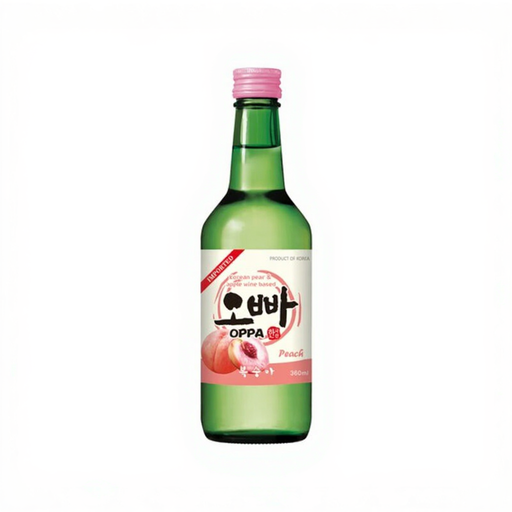
Why this suits the profile: The 360ml bottle offers a manageable size for anyone wanting to try Korean fruit-flavoured soju without committing to a large pack straight away.
The alcohol percentage of 12% is clearly stated. The sweet peach flavour is not mistaken for a non-alcoholic drink.
12% alcohol, 360ml volume and suitable for serving chilled, with ice or as a cocktail base.
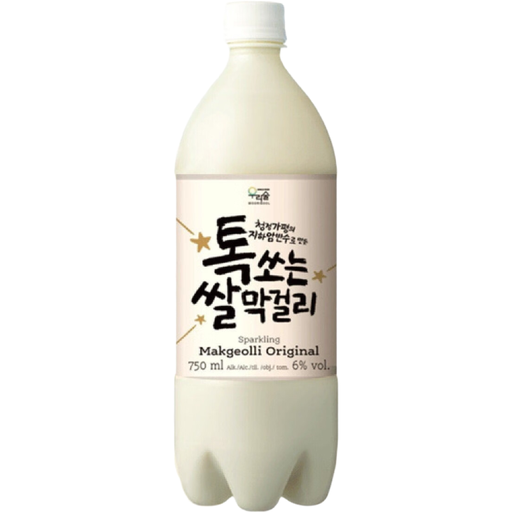
Why this suits the profile: This Korean rice wine appeals to anyone looking for a traditionally fermented drink with a creamy texture, lightly sparkling character and gentle sweetness.
The product information lists the ingredients, the alcohol percentage of 6% and the gluten-containing grains. This makes comparison much easier.
6% alcohol, rice and grain base, and a soft, lightly sparkling flavour profile according to the product description.
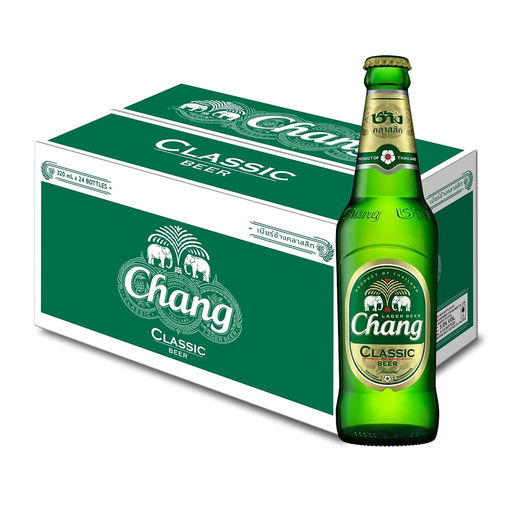
Why this suits the profile: The box of 24 bottles of 320 ml is designed for dinners, barbecues and gatherings where multiple servings are needed.
The packaging and volume per bottle are clear upfront. This prevents a trial order accidentally becoming a large stock, or vice versa.
Thai lager beer with approximately 5% alcohol and a format that suits Asian meals and group occasions.
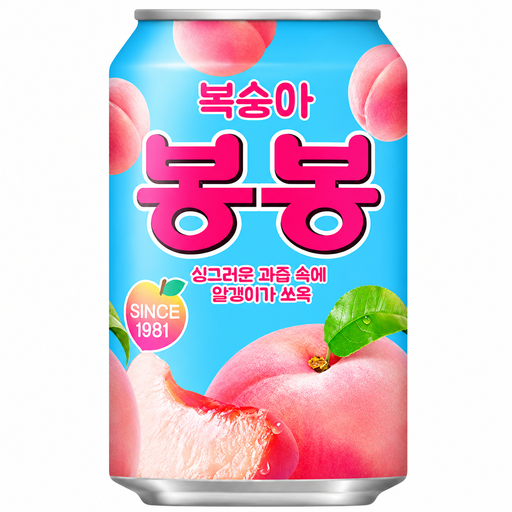
Why this suits the profile: This Korean soft drink combines peach juice and fruit pulp in a 340 ml can, with no alcohol.
The product information states that it is non-alcoholic, the serving size and 19 grams of sugar per 100 ml. This allows you to choose the drink with confidence.
Peach pulp, 340ml per can and suitable for guests who don’t drink alcohol.
We’ve put together a full, up-to-date list of products that fully meet these strict selection criteria and comply with current European safety regulations.
Alcoholic products are intended only for persons aged 18 and over. Please drink responsibly. Do not drink alcohol during pregnancy.
First, compare the product category: Korean soju, makgeolli, Korean soft drinks or ready-to-drink cocktails. Then look at alcohol percentage, volume, ingredients, allergens and packaging. This way, you compare products based on verifiable information rather than just flavour name or packaging.
Makgeolli is a fermented Korean rice drink with a creamy, lightly sparkling texture. The WOORISOOL variant mentioned contains 6% alcohol. Korean soju is generally clearer, and the flavoured varieties in this range contain around 12% alcohol. The right choice depends on texture, flavour and the desired alcohol percentage.
Work out the number of servings you want to offer per guest and check the volume per pack. Small bottles or cans of 250 to 360 ml are easy to manage per portion. A box of Chang Beer or a multipack of Asian soft drinks is better suited to a larger group, while individual bottles are more convenient when you want to try several flavours.
