
Vandaag of morgen in huis

Kwaliteit gegarandeerd

Welkomstaanbiedingen ontgrendelen: GRATIS bezorging | Tot 80% korting | Gratis 30 dagen JoyPlus-proefperiode
Download de app
Are you looking to buy Asian coffee, but struggling to see which one suits you among all the bags, sachets and flavour varieties? Vietnamese coffee, Indonesian coffee and coffee from other Asian countries differ not only in taste. The brewing method, ingredients, amount of sugar and packaging also determine whether a product is convenient for your daily routine.
What's more, an attractive packet doesn't always tell the full story. So watch out for the following common pitfalls.
Words like cappuccino, hazelnut, mocha, coconut and cardamom often describe a flavour profile, not the coffee's actual composition. With 3-in-1 coffee, sugar and creamer are usually a fixed part of the mix. Always check the ingredients list and nutritional values.
For example, a sachet may contain only a portion of instant coffee. According to the product information, Trung Nguyen G7 3-in-1 lists 13% instant coffee alongside sugar and creamer. That makes it suitable if you're after convenience and a sweeter coffee drink, but less fitting if you want to drink only black coffee.
Instant coffee dissolves straight into water and is practical for the office, when travelling or on the go. Ground coffee, on the other hand, requires a filter, French press, espresso machine or Vietnamese phin, depending on the grind and product instructions.
Buying a bag of ground coffee without checking what grind it's suitable for can lead to a weak or, conversely, a difficult extraction. So look for terms like filter coffee, French press, espresso or cezve.
A well-known brand doesn't automatically mean the coffee will suit your taste. Always check:
Product information can vary between variants. Kopiko coffee, for example, is available as Black, Brown and Blanca 3-in-1, each with different flavour and ingredient profiles.
First, decide how you want to make the coffee:
According to the product description, the Trung Nguyen Legend Drip Coffee-Vietnamese Blend uses hanging paper filters. You slowly add water at around 92–96 °C, and the extraction takes roughly 3–5 minutes. This is a practical option for home, the office or on the go without a separate coffee machine.
Arabica coffee is generally known for a softer, more aromatic profile. Robusta coffee is often chosen for a stronger character and a bolder coffee taste. The final experience also depends on the roast, grind and brewing method.
Trung Nguyen Creative Ground Coffee No2 lists a blend of Arabica and/or Robusta. Creative Ground Coffee No4 specifically mentions Arabica and Robusta. According to the product information, Creative 1 is made from Culi Robusta and is described as dark and powerful, with chocolatey notes. This description comes from the brand's product description and should be seen as a flavour indication, not a guaranteed experience.
With a bag of pure ground coffee, coffee is usually listed as the ingredient. With a cappuccino or 3-in-1 variant, sugar and creamer often appear at the top of the ingredients list. That affects the sweetness and nutritional value per cup.
Also check the serving size. A sachet of 16, 25, 27.5 or 30 grams doesn't always require the same amount of water. According to the product information, Kopiko Brown Coffee recommends 150–180 ml of water, while Kopiko Black 3-in-1 states 220 ml. If in doubt, follow the instructions on the packet.
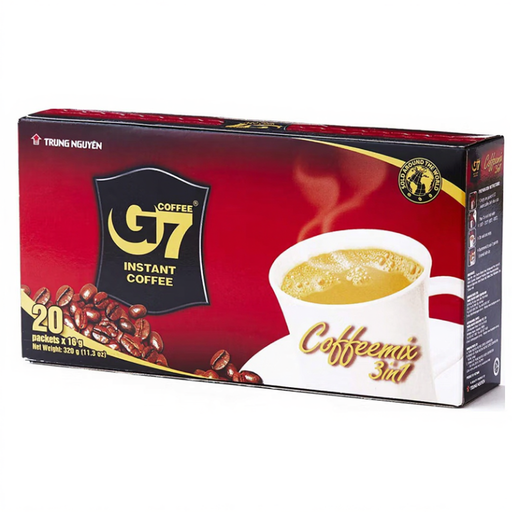
Why this suits the profile: Twenty 16-gram servings are easy to store and prepare with hot water. Handy for a first taste of Vietnamese instant coffee, at home or in the office.
The product information clearly lists coffee, creamer and sugar as parts of the mix. So you know this isn't pure ground coffee.
3-in-1 formula, twenty individual sachets and easy preparation without a coffee machine.
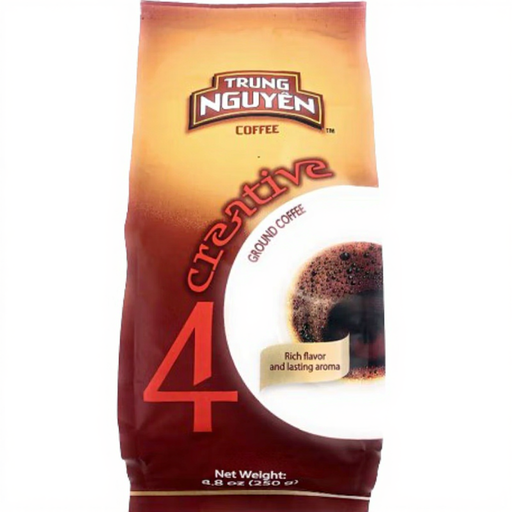
Why this suits the profile: According to the product information, this ground blend combines Arabica and Robusta and is suitable for filter, French press or espresso.
The possible uses and composition are specified. So you don't have to rely solely on flavour words on the packaging.
250 grams of ground coffee, Arabica and Robusta blend, and multiple brewing options.
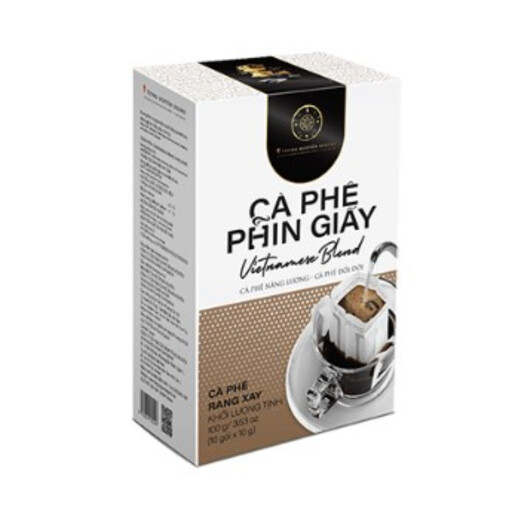
Why this suits the profile: The individual drip filters are ideal if you want to brew Vietnamese filter coffee without carrying a separate phin or machine.
The product description explains the brewing method, water temperature and extraction time. So the preparation is clear from the start.
Ten 10-gram filters, portable size and a mix of Robusta and Arabica coffee according to the product information.
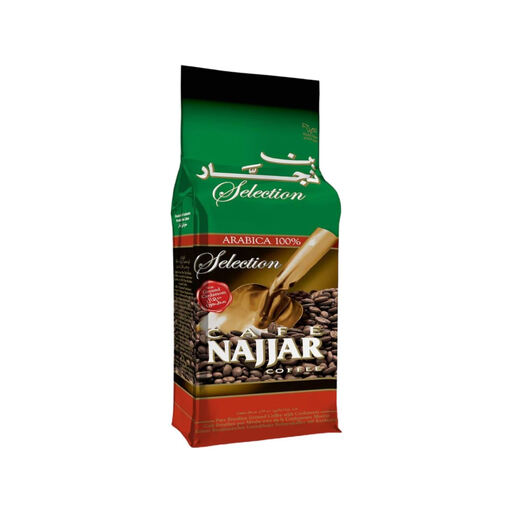
Why this suits the profile: If you're after coffee with cardamom, this is a finely ground Arabica coffee with 5% ground cardamom, intended for a cezve or ibrik.
The product information lists both the Arabica base and the proportion of cardamom, as well as the suitable brewing method.
200 grams of vacuum-packed coffee, 100% Brazilian Arabica according to the product information, and a clear cardamom addition.
We've put together a full, up-to-date list of products that fully meet these strict selection criteria and comply with current European safety regulations.
Vietnamese instant coffee and Indonesian 3-in-1 coffee are practical when you only need hot water. A product like G7 3-in-1 contains individual servings with coffee, sugar and creamer. For a milder or more aromatic option, you could also choose an instant latte or cappuccino. Always check the ingredients list, though.
The exact shelf life is stated on the packaging. After opening, ground coffee and instant coffee generally keep better if you seal the packaging tightly and store it in a dry place. Once you've opened the outer packaging, you can keep sachets in an airtight container. Don't use any product with damaged packaging.
Not always. Arabica and Robusta give an indication of the bean type, but the roast, grind, blend and brewing method strongly influence the final taste. Arabica is often associated with a more aromatic profile, while Robusta is more commonly used for a bolder coffee flavour. So look at the full product description rather than just the bean type.
