
Same-day & Next-day Delivery

Quality Guaranteed

Unlock Your Welcome Offers: FREE Delivery | Up to 80% OFF | Free 30-day JoyPlus trial
Download the APP
Looking to buy Asian beer for home, a barbecue or a meal with Asian dishes? You’ll soon come across well-known names such as Asahi, Sapporo, Kirin, Leo, Singha, Cass and Saigon Special. But a striking label or the words “premium lager” don’t tell you everything about what you’ll receive.
The key differences often come down to alcohol content, packaging, ingredients, origin and quantity. If you only look at the brand name or a discount, you could end up with a case that doesn’t suit the occasion, a flavour that disappoints or a product containing allergens you hadn’t checked for.
A product title that says “330 ml” could refer to one bottle or can, but sometimes it means a case of 24. Always check:
A 330 ml beer is a good choice if you want to try a brand first. For a party, restaurant or large barbecue, beer by the case may be more practical. A case of 24 does take up more space, though, and is less suitable if you want to compare different flavours.
Words such as “premium”, “smooth” and “refreshing” often come from product descriptions written by brands or sellers. Treat them as a guide, not a guarantee that everyone will experience the flavour in the same way. It’s better to look at verifiable details such as the alcohol content, ingredients and type of beer.
For example, Saigon Special’s product description lists a Vietnamese premium lager at 4,9% vol., while Cass Fresh is listed as a Korean lager at 4,5% vol. That gives you a clearer idea than a marketing term on the packaging alone.
Many lagers contain barley malt and therefore gluten-containing grains. Check the ingredients if you need to take allergies or intolerances into account. Also, be aware of the difference between alcohol-free beer, low-alcohol beer and standard beer. Jopen Non IPA contains 0,3% vol. according to the product information; Lowlander 0.0% White Beer is listed as an alcohol-free product.
Alcoholic drinks are intended only for people aged 18 and over. Don’t drink if you’re going to drive.
The products in this selection described as light, easy-drinking lagers range from around 4,5% to 5,2% vol. Cass Fresh is listed at 4,5%, Sapporo at 4,7%, Leo and Singha at 5,0%, and Asahi Super Dry at 5,2%.
A higher percentage doesn’t automatically mean a fuller or more enjoyable flavour. It does affect the amount of alcohol in each bottle or can, though. So check the percentage per 100 ml and the number of units in the pack.
Most of the Asian lagers in this selection contain water, barley malt, hops and yeast. Some varieties also use rice, maize or starch. Leo, for example, is described as containing barley malt, rice and hops; Cass Fresh is listed with barley malt, maize, starch and hops.
Always check the current packaging. Product information can change, and the label is the definitive source. Saigon Special is also listed as containing sulphites. If you need to avoid allergens, it’s best to check the full ingredients list before ordering.
A 330 ml bottle is well suited to an individual serving or a meal. Cans are easy to chill and take with you. A case or box of 24 is practical for a party, catering use or stocking up, but less flexible if you haven’t decided on a favourite brand yet.
For a tasting, you can mix individual bottles, for example Japanese beer with a Thai or Korean lager. If you already have a favourite, a multipack usually makes more sense.
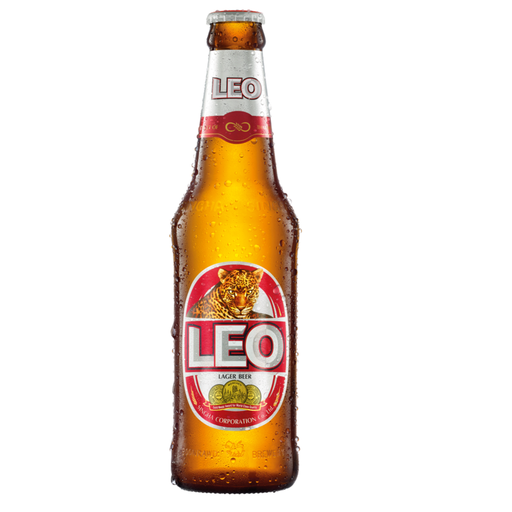
Why it suits this profile: A single 330 ml bottle makes it easy to try Thai beer without committing to a full case. According to the product information, this lager pairs well with spicy Asian dishes, grilled meat and seafood.
The product page clearly states 330 ml and 5% vol., so you can check the size and alcohol content before ordering.
Single bottle; 5% vol.; ingredients listed as barley malt, rice and hops in the product description.
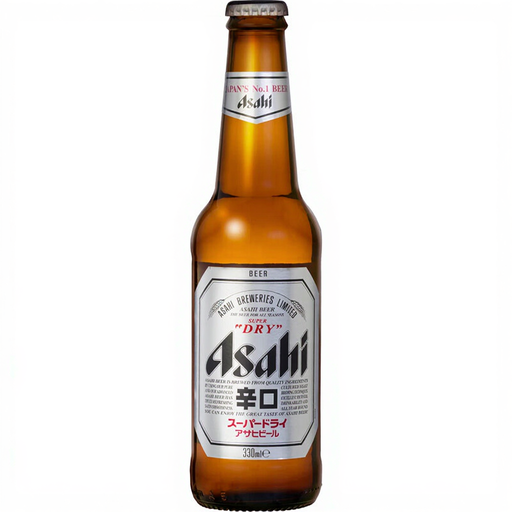
Why it suits this profile: A good choice if you’re serving Japanese beer with sushi, noodles or a casual meal. The product information lists 5,2% vol. and ingredients including water, barley, yeast and hops.
It comes in a convenient 330 ml size. Do check the label for barley and gluten before ordering.
Japanese lager; 330 ml; 5,2% vol. according to the product information.
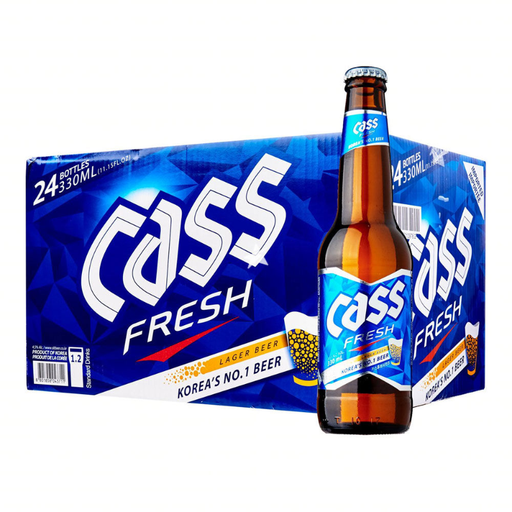
Why it suits this profile: This box of 24 cans is ideal for parties, barbecues, catering or stocking up on Korean beer.
The product name clearly states the number of cans, making it easier to distinguish from a single 330 ml pack.
24 cans of 330 ml; 4,5% vol.; ideal for serving chilled.
We’ve put together a complete, up-to-date list of products that meet these strict selection criteria and the current European safety regulations.
First, check the number of bottles or cans, the volume per unit, the alcohol content, the ingredients and the expected best-before information. Also check whether the product should be chilled before serving. The packaging and current product page are the definitive sources.
Beer usually has a best-before date on the packaging. Store it according to the product information, in a cool, dry place away from direct sunlight and high temperatures. Avoid large temperature fluctuations. The exact date varies by product and batch.
That depends on the price per bottle, delivery costs and how much you’ll actually drink. A multipack or case is handy for a party, while individual bottles are more practical if you want to compare several brands. Work out the price per 330 ml before ordering.
