
Vandaag of morgen in huis

Kwaliteit gegarandeerd

Welkomstaanbiedingen ontgrendelen: GRATIS bezorging | Tot 80% korting | Gratis 30 dagen JoyPlus-proefperiode
Download de app
Considering buying an Apple Watch? You're facing a wide array of choices. The new models for 2026, like the Apple Watch SE 3, Series 11, and the rugged Ultra 3, offer more features than ever. But more isn't always better. Many buyers fall into marketing traps and pay for specifications they will never use.
As a Joybuy Product Recommendation Officer, I'll help you cut through the noise. We'll skip the jargon and focus on what truly matters, so you can choose a model that fits your needs and budget. These are the most common missteps:
Before you consider an Apple Watch deal, it's important to understand three core parameters. These determine the functionality, comfort, and final price.
The choice between a smartwatch with GPS and an Apple Watch Cellular is the first and most important decision.
The size of the watch case directly affects readability and wearing comfort. The Apple Watch is available in various sizes, tailored to different models:
A pro tip: print out a full-scale sizing guide or try on a model in-store to feel what is most comfortable for you.
Apple often specifies battery life as "up to 18 hours" or "up to 24 hours" with "typical use." In practice, this heavily depends on your settings. Features like the Always-On display, intensive GPS use, and the Cellular connection significantly shorten battery life. All new models feature a Low Power Mode that can extend battery life to as much as 32 hours (SE 3), 38 hours (Series 11), or even 72 hours (Ultra 3) by disabling certain background functions. If you also wear your watch at night for sleep tracking, daily charging is almost unavoidable.
To help you choose, we've matched several models to specific user profiles.
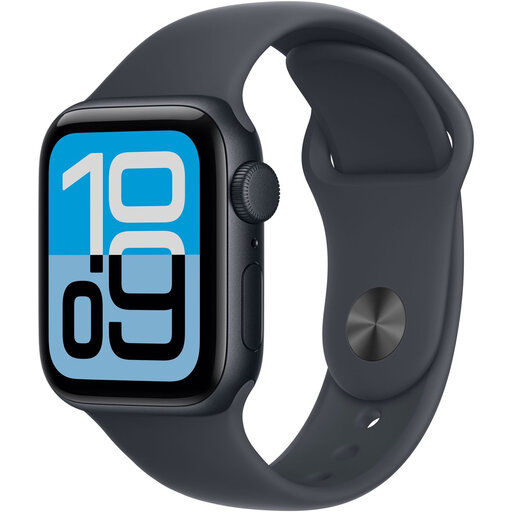
Why This Fits Their Persona: Perfect for those seeking a seamless extension of their iPhone for notifications, payments, and tracking daily activities. This model offers the essential Apple Watch experience without the extra cost of advanced sensors.
This GPS model avoids the unnecessary cost of a Cellular subscription. It provides key features like a heart rate monitor and fall detection without making you pay for specialised sensors you likely won't use.
Features a modern Always-On display and the fast S10 chip, features previously reserved for more expensive models. Offers excellent value for money.
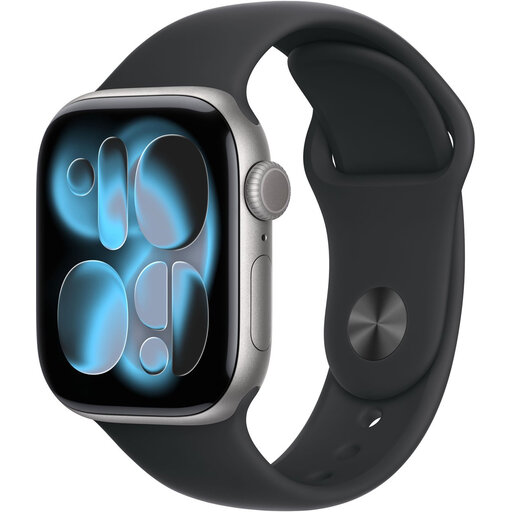
Why This Fits Their Persona: Ideal for those who take their training and health seriously. This model functions as an advanced sports watch for iPhone users, offering deep insights into sleep, heart rate, and now blood pressure.
The sensors in this model, such as hypertension notifications, offer genuine value for health monitoring, unlike gimmicks. Choosing the GPS model keeps costs manageable if you take your iPhone with you during workouts anyway.
Offers advanced health features not available on the SE, such as high blood pressure alerts. The battery life is improved (up to 24 hours), which is useful for longer training sessions.
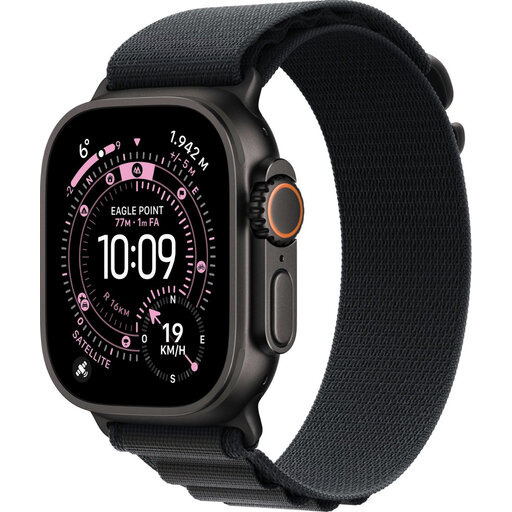
Why This Fits Their Persona: Built for extreme conditions. Perfect for outdoor athletes, divers, and adventurers who need a watch that can take a beating, has a long battery life, and functions independently.
For this user, the "pitfalls" are actually the main features. Standard Cellular, a rugged 49mm titanium case, and advanced sensors are not luxuries here, but necessities for safety and performance in the field.
Superior durability thanks to the titanium case and sapphire crystal. The battery life is significantly longer at 42 hours (normal) to 72 hours (low power mode). Water resistance and satellite connectivity provide extra safety.
We have compiled a complete, real-time list of products that fully satisfy these strict selection criteria and UK safety regulations.
Yes, to use the Cellular feature, you need a mobile plan with an active eSIM from a supported carrier in your country, such as EE, O2, or Vodafone in the UK. This typically involves an additional monthly fee on top of your regular phone plan. Always check the current rates with your provider.
The physical lifespan of an Apple Watch is long, but its technological lifespan is determined by software updates. Apple typically provides five to six years of support with new versions of watchOS. After this period, the watch will no longer receive new features but will continue to function. The battery capacity will diminish after several years of use, which may result in more frequent charging.
No, an Apple Watch is designed exclusively for the Apple ecosystem. You need an iPhone to set up, manage, and use most of its features. It is not compatible with Android smartphones.
