
Vandaag of morgen in huis

Kwaliteit gegarandeerd

Welkomstaanbiedingen ontgrendelen: GRATIS bezorging | Tot 80% korting | Gratis 30 dagen JoyPlus-proefperiode
Download de app
Looking to buy apple juice for breakfast, lunch, guests or when you’re out and about? You’ll soon find there’s more than just pure apple juice to choose from. Shelves and online shops also offer apple and berry juice, apple drinks, organic apple juice and fruit drinks with apple. The packaging can look similar, but the fruit juice content, sugar levels and serving sizes can vary considerably.
The most common purchasing mistakes are easy to avoid:
Start by checking the legal product description and the ingredients list. According to the product information, 100% apple juice is made from apple juice, which may be from concentrate. For example, Appelsientje Golden Apple Pure Juice and g'woon Apple Juice 1 L are described as juices made from apple juice from concentrate.
An apple drink is made differently. According to the product information, Van De Boom Apple contains 70% fruit drink with apple and water. Oasis Apple Cassis Raspberry contains 12% fruit juice, of which 8.5% is apple, with blackcurrant and raspberry added. This helps you decide whether you’re looking for a full apple flavour or a lighter, mixed drink.
Use the nutrition table and always compare the same unit. The pure apple juices available contain around 9.8 to 9.9 grams of sugar per 100 ml. This is naturally occurring fruit sugar, so “no added sugar” doesn’t automatically mean there’s no sugar in the product.
Fruit drinks may contain less sugar per 100 ml because they’re diluted with water. Van De Boom, for example, lists 6.7 grams of sugar per 100 ml, while DubbelFrisss Boost Forest Fruit Apple Juice lists 5.2 grams. Oasis Apple Berry Raspberry Drink lists 4 grams per 100 ml, but its ingredients list also includes sugar and sweeteners. So check both the nutrition information and the ingredients.
1.5-litre apple juice can be handy for a family or for serving several glasses with a meal. For a smaller household, 1-litre apple juice is often a more manageable option, and the bottle may be finished sooner after opening. Small bottles or cans are suitable for a bag, lunch or the cupboard, but can sometimes cost more per litre.
Once opened, the packaging should be kept chilled and used within the stated period, according to the product information. Also check the best-before date and make sure the cap or seal is intact. When there’s a special offer, it’s worth working out the price per litre rather than looking only at the discount on the total price.
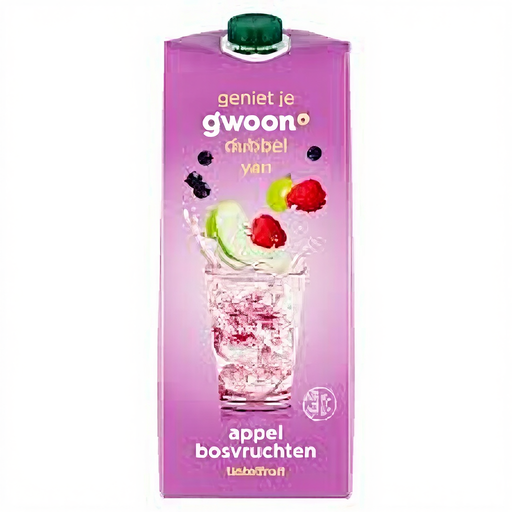
Why it suits this profile: The 1.5-litre bottle is ideal for sharing at home and combines apple with a variety of berries.
The product is described as a drink with 15% juice from concentrate, so it’s clear that this isn’t 100% pure apple juice.
1.5-litre size; 5.3 grams of sugar per 100 ml according to the product information; apple and berry flavour.
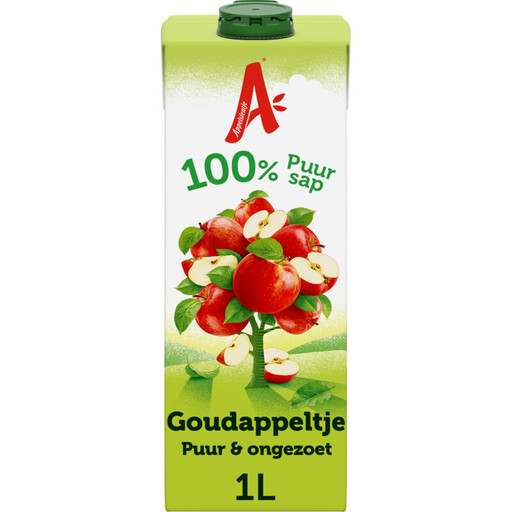
Why it suits this profile: If you’re looking for a pure apple flavour and a short ingredients list, this 1-litre pack contains 100% fruit.
The product information lists apple juice from concentrate as an ingredient and says no sugar has been added. It still contains naturally occurring fruit sugars.
100% pure apple juice; 44 kcal and 9.9 grams of sugar per 100 ml according to the stated values.
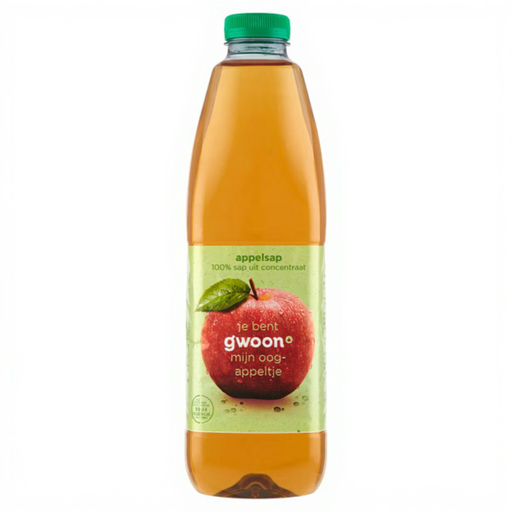
Why it suits this profile: The larger pack is a good fit for families, everyday use or meals where several glasses will be served.
The ingredients list contains only apple juice from concentrate, making it easy to distinguish from diluted fruit drinks.
1.5-litre size; no added sugar according to the product description; suitable for drinking or mixing.
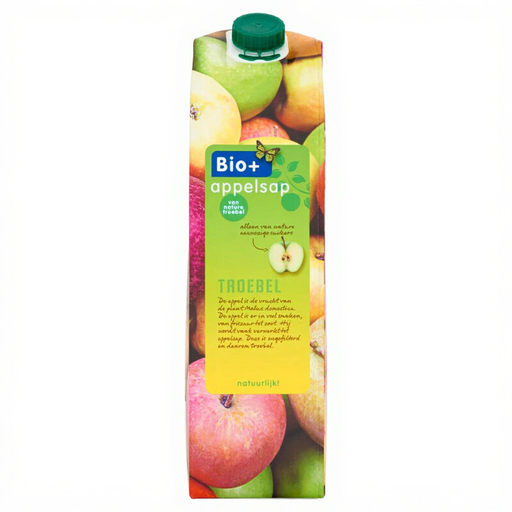
Why it suits this profile: This 1-litre option is described as organic apple juice with one main ingredient.
The product information states “apple juice” and “organic”. Check the current packaging and certification details before buying.
1-litre size; organic positioning; 44 kcal and 9.2 grams of sugar per 100 ml according to the stated values.
We’ve put together a complete, up-to-date list of products that meet these strict selection criteria and the applicable European safety regulations.
No. In pure apple juice with no added sugar, the sugars occur naturally in the apples. Check the “of which sugars” line in the nutrition table. A drink with less sugar per 100 ml may be diluted with water or contain sweeteners.
It depends on the price per litre and how much you use. Divide the total price by the pack size to work it out. A 1.5-litre pack can be practical for families, while 1 litre may be more convenient if you drink juice less often and want to reduce waste.
Keep opened apple juice chilled and follow the storage period on the packaging. Close the bottle tightly and check the smell, taste and appearance before use. Storage times can vary between products, so always follow the label.
