
当日/次日达

品质保障

开启新人专享福利: 全场免邮 | 低至 2 折 | 免费试用 30 天 JoyPlus 会员
下载 Joybuy
If you want to buy aloe vera drink, you'll quickly notice plenty of similar bottles boasting terms like "natural", "refreshing" and "with real pulp". Yet these drinks differ in important ways. One bottle contains added sugar, another uses sweeteners. The amount of aloe vera, the fruit flavour and the pack size can also vary considerably.
As a Joybuy Product Recommendation Officer, I've filtered the key information so you don't have to rely solely on what's written on the front of a bottle.
An aloe vera drink without sugar can still taste sweet thanks to sweeteners. Always check the ingredients list. For example, Tropical Aloe Vera Zero lists acesulfame-K as a sweetener. The product information states 5 kcal and 1.2 g of carbohydrates per 500 ml, but "no added sugar" doesn't automatically mean there are no carbohydrates present at all.
With an OKF product labelled Sugar-Free, it's also wise to check the nutritional information on the packaging you receive. Product specifications can vary by size or market.
An aloe vera drink with pulp contains pieces or gel, but the percentage differs from product to product. OKF Strawberry, for instance, states 22% aloe vera juice and 8% aloe vera gel. The T'best Mango variant states 16% aloe vera juice and pulp. If you're particularly after that characteristic texture, it's worth looking beyond just the flavour name and checking the ingredients.
A 500 ml bottle is practical for on-the-go or in the office. A case of 20 bottles is more appealing if you drink it daily, manage a pantry or stock a workplace. Do check the best-before date, storage space and total weight. A case of 20 x 500 ml bottles is considerably heavier and takes up more room than six individual bottles.
Look in the ingredients list for terms like aloe vera juice, aloe vera gel and pulp. Juice generally indicates a liquid base, while gel or pulp can provide a thicker or chunkier texture. The order of ingredients is also relevant: ingredients listed first are typically present in larger quantities.
Also pay attention to brand claims. According to OKF's own product description, the Kiwi variant contains real aloe vera pulp. That's a product feature from the listing, not a medical or health claim.
If you expect a sweeter fruit drink, you can choose variants with sugar or fructose. OKF Kiwi states per 100 ml: 20 kcal, 5 g carbohydrates and 4.8 g sugars. OKF Lychee states 20 kcal and 5 g sugar per 100 ml in the 500 ml product information; the case variant states different values. So check the label of the exact size you're ordering.
For those looking to limit sugar, an aloe vera drink without sugar or a zero variant are logical options. Always compare both "sugars" and "carbohydrates", and check which sweetener is used.
An aloe vera drink 500 ml fits easily into a bag, fridge door or desk drawer. Flavours such as strawberry, kiwi, lychee, mango and pomegranate make it easier to choose a variant that suits your preference.
Once opened, the drinks mentioned should be kept refrigerated according to the product information and consumed within the period stated on the packaging. Store unopened bottles in a cool place, away from direct sunlight and excessive heat. Before use, check that the cap or seal is intact.
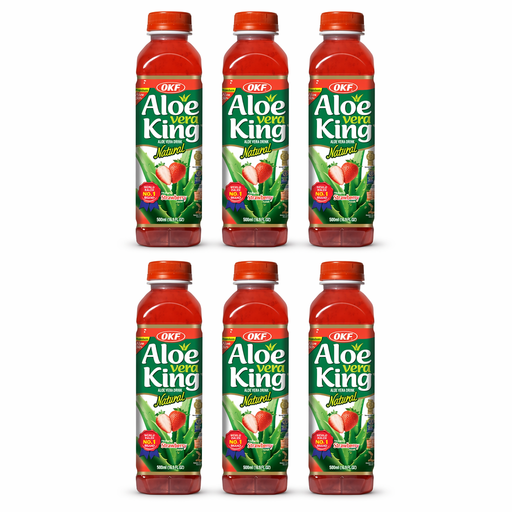
Why this fits: A pack of six bottles is a manageable quantity for home, work or a first taste of a fruity aloe vera drink.
The product information states the aloe vera content and ingredients, so you're not relying solely on the strawberry flavour name.
500 ml per bottle, six per pack and, according to the listing, none of the 14 major EU allergens.
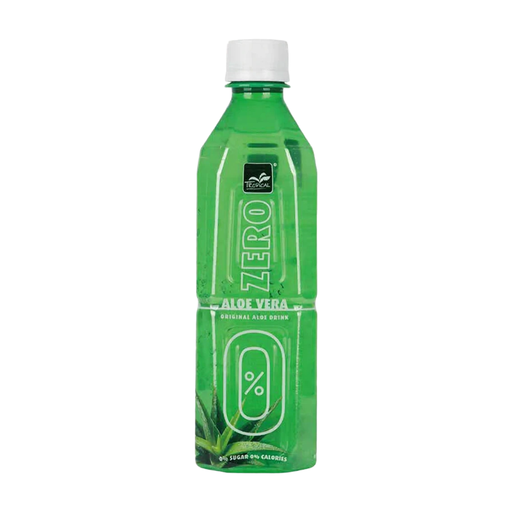
Why this fits: Handy if you're after a 500 ml bottle with no added sugar and want to take it on the go or to work.
The listing states 0% added sugar but also mentions acesulfame-K. This makes it clear that "without sugar" isn't the same as "without sweetener".
500 ml, aloe vera pulp, 5 kcal according to the provided nutritional information and a portable bottle size.
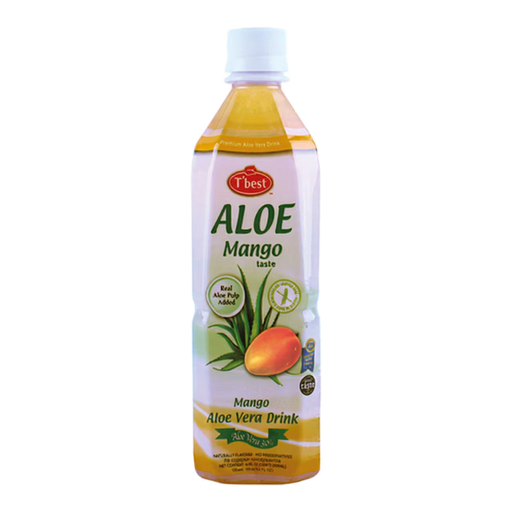
Why this fits: A case of 20 is suitable for shared use at home, in a canteen, shop or office with several fans of Korean aloe vera drink.
The pack size is clear upfront: 20 bottles of 500 ml. This helps you better estimate stock and storage.
Mango flavour, 16% aloe vera juice and pulp according to the product listing, plus a sturdy case pack for bulk use.
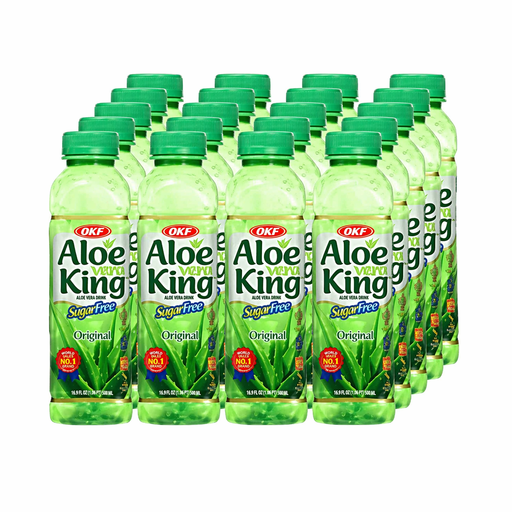
Why this fits: This bulk pack is practical when individual bottles disappear quickly and you'd rather place one stock order.
The case contents are clearly stated. On receipt, do check the best-before date and the current nutritional information on the label.
20 bottles of 500 ml, suitable for an aloe vera drink per case order and, according to the product title, a sugar-free variant.
We've put together a current selection of aloe vera products, with different flavours, sizes and packs for you to compare side by side.
A 500 ml bottle is usually practical for work, school, travel or a day out. Choose based on flavour and check whether the bottle needs to be refrigerated after opening. A six-pack is suitable if you drink it regularly, without immediately stocking a case of 20 bottles.
No. "Without sugar" or "sugar-free" can mean that sugar has been replaced with a sweetener. So check the ingredients list and the nutritional information table. For example, Tropical Aloe Vera Zero lists acesulfame-K. The taste can therefore still be sweet.
A bulk pack of aloe vera drink is especially practical for households with multiple users, offices, catering-style pantries or customers who regularly order the same flavour. Compare the price per 500 ml, check your storage space and pay attention to the best-before date before choosing a case of 20 or a pack of 12 large bottles.
