
Vandaag of morgen in huis

Kwaliteit gegarandeerd

Welkomstaanbiedingen ontgrendelen: GRATIS bezorging | Tot 80% korting | Gratis 30 dagen JoyPlus-proefperiode
Download de app
Want to buy almond snacks, but finding it hard to decide between the different flavours, pack sizes and origins? The range includes everything from natural and roasted almonds to almond biscuits, almond chocolate and seasoned varieties. However, eye-catching packaging tells you little about the ingredients or how convenient a product is to use.
Pay particular attention to these three common pitfalls:
With the right checks, it is easier to find a snack for eating on the go, a bowl to share or a flavour boost for coffee and tea.
When almond appears near the beginning of the ingredients list, it generally makes up a more significant part of the product than when it is listed towards the end. With natural almonds, the ingredients are straightforward: Anatolia Badem Natural, for example, lists 100% almonds. The product information also states 12.5 grams of fibre and 21 grams of protein per 100 grams, with no added salt.
It is different with products made from several ingredients. According to the product information, Daliyuan Crispy Almond Cookies contain 8% almonds. Daoxiangcun Crisp Puff Almond Flavour lists 2% almond. These are therefore primarily biscuit and pastry snacks with an almond flavour, rather than a bag of almonds.
Nutritional values per 100 grams are useful for comparing products, but they do not always represent a realistic serving. A bar, biscuit or small bag may weigh less. With sweet almond snacks, pay attention to the sugar content, and with salted almonds, check the salt content.
Always check the allergen information on the packaging too. EU allergen labelling rules require producers to clearly identify ingredients including nuts, peanuts, milk, soya and gluten. A product may also carry ‘may contain’ information relating to cross-contamination. If you have a known allergy, always follow the information on the current packaging.
Individually wrapped snacks are practical for keeping at your desk, in a school bag or taking on a train journey. A larger bag is better suited to drinks with friends, parties or the cupboard, but seal it carefully after opening to preserve the crunchy texture.
Also check the best-before date and storage instructions. Most products should be kept in a cool, dry place away from direct sunlight. Do not use packaging that is damaged. Whole nuts may also pose a choking risk for young children.
Natural almonds are ideal if you are looking for a versatile product to eat on their own or use in baking, yoghurt or salads. Roasted almonds have a more intense, crunchy flavour; salted varieties are great for drinks with friends. Seasoned almonds are worth trying if you fancy something savoury or international, such as wasabi or garlic bread flavour.
For a sweet treat, almond biscuits, almond chocolate, lokum with almonds and bars are all natural choices. If you enjoy discovering Asian flavours, look for Korean and Japanese products featuring flavours such as strawberry, wasabi or chocolate. For fans of Turkish flavours, natural and roasted Anatolia almonds and Turkish lokum are options worth comparing.
A ‘healthy almond snack’ is not a fixed product category. Almonds can form part of a varied diet, but the product as a whole also determines the amount of sugar, salt and fat, as well as the serving size. So use the nutritional table rather than relying solely on marketing claims.

Why it suits this profile: A 500-gram bag is practical for anyone who wants to use almonds as a snack as well as in recipes, yoghurt or salads.
The product information lists just one ingredient: 100% almonds. This means there is no uncertainty about coatings, added sugar or seasoning.
500 grams; 0 grams of salt per 100 grams according to the product information; suitable for snacking, baking and garnishing.
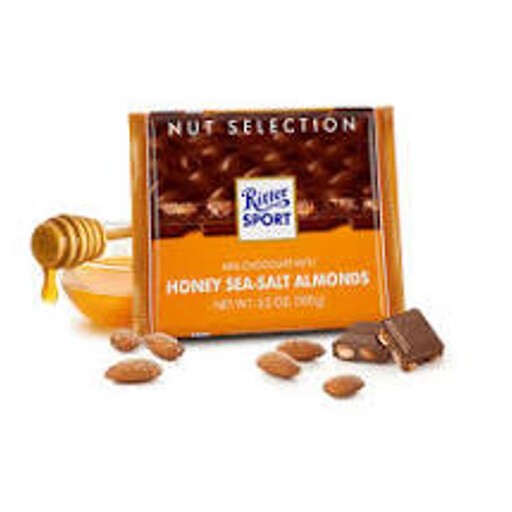
Why it suits this profile: Compact almond chocolate for anyone who enjoys combining milk chocolate with honey, sea salt and pieces of almond.
The product information states that the honey-coated almond pieces contain 20% almonds. This makes the nut content clear.
100 grams; a combination of chocolate, honey and sea salt; according to the label, contains milk, almonds and soya.

Why it suits this profile: The large pack is handy for drinks with friends, parties or keeping a supply that is used regularly.
The ingredients list is limited to almonds and salt. The flavour therefore does not come from an unclear layer of seasoning or coating.
500 grams; roasted and salted; according to the product information, 21 grams of protein and 1 gram of salt per 100 grams.
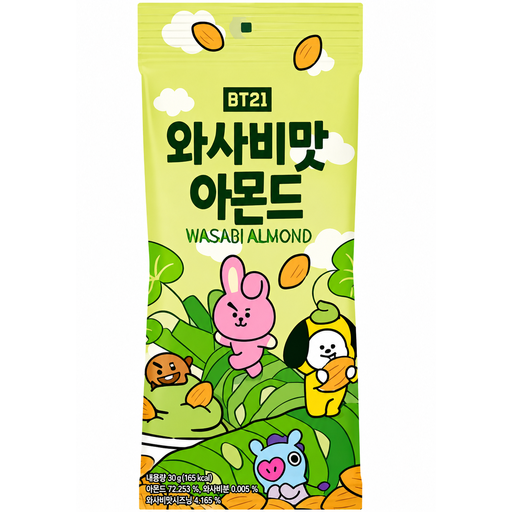
Why it suits this profile: A small serving for eating on the go, with a sweet-and-savoury flavour and Asian-style wasabi seasoning.
The serving size is clear: 30 grams. This makes it easier to estimate the nutritional values per pack than with a large sharing bag.
30 grams; 165 kcal and 6 grams of protein per serving according to the product information; contains almonds, soya and milk.
We have put together a complete, up-to-date list of products that fully meet these strict selection criteria and the applicable European safety regulations.
An individually wrapped bar or a small bag is practical for eating on the go. The 90-gram KIND Caramel Almond Nut Bar is individually wrapped. The 30-gram BT21 Wasabi Almond is smaller and, according to the product information, contains 165 kcal per serving. Check the allergen information on the packaging for both products.
Store them in a cool, dry place away from direct sunlight. Seal an opened bag carefully to limit moisture and prevent the snacks from losing their crunch. Always check the best-before date on the packaging. For products containing chocolate or a coating, keeping them at a consistent, not-too-warm temperature is particularly important.
That depends on the type of product, brand, pack size and amount of almonds. A 500-gram bag may offer a lower price per gram than small individual portions, while individually wrapped snacks provide greater convenience. So compare the price per 100 grams and the ingredients list before placing your order.
