
Same-day & Next-day Delivery

Quality Guaranteed

Unlock Your Welcome Offers: FREE Delivery | Up to 80% OFF | Free 30-day JoyPlus trial
Download the APP
If you’re looking to buy almond products, you’ll soon come across a wide range of options, from plain almonds and almond drinks to almond flour, Korean almond snacks and skincare products. But the packaging doesn’t always tell the whole story. A product with an almond flavour may contain very little almond, while an appealing claim such as “natural” says nothing about sugar, salt or allergens.
Use this practical guide to compare products based on information you can check: ingredients, nutritional values, pack size, use and storage instructions.
“Almond” in a product name could refer to a main ingredient, flavouring or extract. So check the ingredients list. A plain product such as Anatolia Badem Natural lists 100% almonds, while some almond drinks contain around 2 to 2.3% almonds. That’s not necessarily good or bad, but it’s worth bearing in mind when comparing products.
The distinction matters for skincare, too. Palmolive Almond Shower Gel and Derlon Hand Wash contain almond extract or oil alongside other ingredients. The fragrance and extract don’t mean the product is mainly made from almonds.
Marketing terms often don’t give you a complete picture of a product’s ingredients. For snacks, always check the amount of sugar, salt and fat per 100 g. Roasted salted almonds, for example, typically contain more salt than plain almonds. Chocolate and Korean almond snacks may also contain added sugar, syrup, milk, soya or wheat.
Claims about a formula or its effects should be checked against the source. According to Palmolive’s own information, its Naturals Almond shower gel contains biodegradable ingredients and has a “more natural formula”. This is a brand claim, so check the current packaging and full ingredients list before you buy.
Almonds are covered by EU allergen labelling rules. Also look out for other ingredients such as milk, soya, lupin, peanuts, mustard and cereals containing gluten. For example, Lotte Pepero Almond & Chocolate contains wheat, milk, soya and almonds. If you’re buying gluten-free almond products, check the exact allergen information and any warning about traces. Don’t rely on terms such as “plant-based” or “Korean” alone.
Start by checking the order of the ingredients. They are generally listed by weight, from highest to lowest. For specific uses:
A single-serving pack might look small, but always compare products per 100 g or 100 ml. This makes plain almonds, salted varieties, almond chocolate and snacks easier to compare. Pay particular attention to:
Nutritional values aren’t personal dietary advice. Choose according to your own preferences and the information on the packaging.
A 500 g bag may seem better value than several smaller packs, but it does need to be stored properly. Keep nuts and flour in a cool, dry place in a well-sealed container. Almond drinks generally need to be refrigerated once opened and used within the time stated on the packaging. For all products, check the best-before, use-by or other shelf-life information, as well as the manufacturer’s instructions.
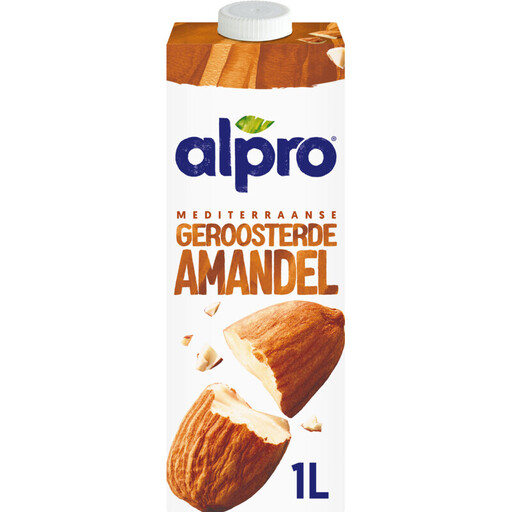
Why it suits this profile: The 1-litre carton is practical for breakfast, coffee or smoothies, and makes it easy to compare with other almond drinks.
The product information states that it contains 2.3% almonds and 2.4 g of sugar per 100 ml, and includes storage instructions. This makes it clear what “almond drink” means in practice.
1-litre pack; calcium and vitamins are specified; according to the product information, it’s lactose- and gluten-free.
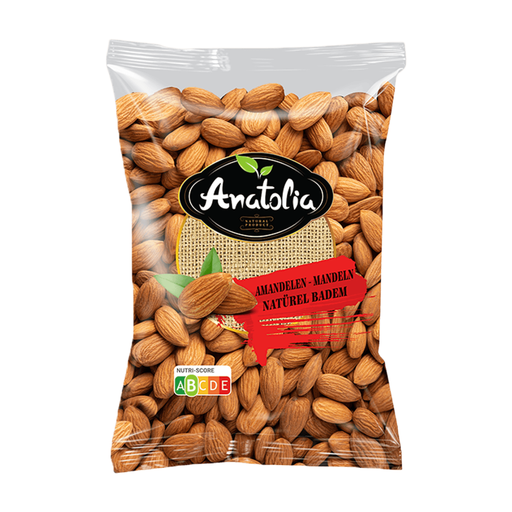
Why it suits this profile: A good choice if you want a versatile staple for snacking, baking, yoghurt, salads and desserts.
The ingredients list states that it contains 100% natural almonds, with no added salt. This makes its composition clearer than that of seasoned snacks.
500 g pack; 0.00 g of salt per 100 g according to the product information; suitable for a range of uses.
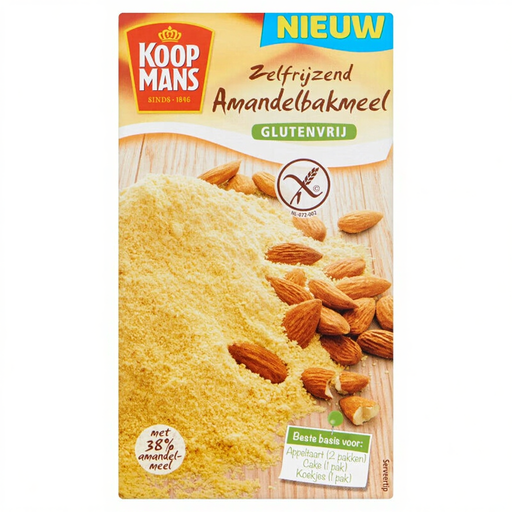
Why it suits this profile: Handy if you regularly make cakes, biscuits or savoury bakes and want a self-raising mix.
The product isn’t presented as pure almond flour: its ingredients include 38% almond flour, rice flour, lupin flour, fibre and raising agents.
200 g pack; raising agents included; the product description says it’s suitable for gluten-free baking. Contains almonds and lupin.
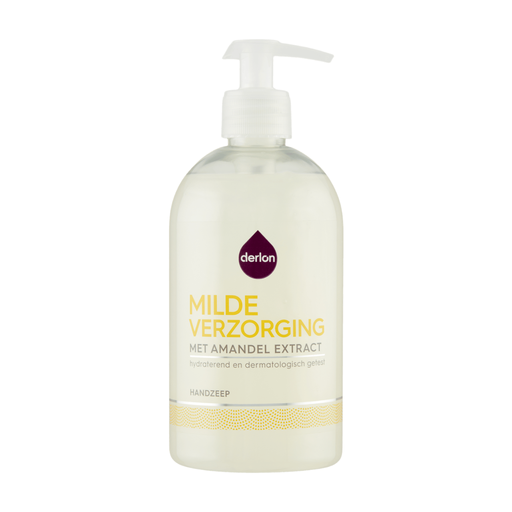
Why it suits this profile: A practical option for the kitchen, bathroom or cloakroom if you’re looking for liquid hand wash with an almond touch.
The ingredients list includes both almond extract and almond oil. So you’re buying a product with specifically named almond ingredients, not just a variant with almond in its name.
500 ml pack; liquid formula; the brand describes it as dermatologically tested and suitable for caring for your skin.
We’ve put together a complete, up-to-date list of products that meet these strict selection criteria and the applicable European safety regulations.
It depends on how you plan to use them. Plain almonds are good for snacking and cooking, almond drinks work well at breakfast or in coffee, and almond flour is useful for baking. For personal care, you can choose almond shower gel, almond soap or almond hand wash. Always check the ingredients, allergens and storage instructions.
People often say “almond milk” in shops, but packaging usually says almond drink. Ingredients vary from brand to brand. Compare the almond content, sugar, added vitamins, calcium and instructions for after opening.
Store both products in a cool, dry, dark place in a well-sealed container. Follow the label instructions for opened packs, and check the smell, taste and best-before date. Once opened, keep almond drinks in the fridge as directed on the packaging.
