
Vandaag of morgen in huis

Kwaliteit gegarandeerd

Welkomstaanbiedingen ontgrendelen: GRATIS bezorging | Tot 80% korting | Gratis 30 dagen JoyPlus-proefperiode
Download de app
Buying alcoholic beverages online is convenient, but the extensive selection does not always make comparison easy. An appealing product name reveals little about the taste, format or alcohol content. Images and marketing copy can also create expectations that do not fully match the information on the label.
This guide helps adult consumers in the Netherlands make an informed choice. You will find key considerations for buying wine online, buying beer, buying champagne, buying spirits and choosing alcohol-free alternatives. The product examples are based on verifiable data from the available product descriptions. Always check the label, ingredients and current sales information upon delivery.
Words such as “rich”, “refined”, “refreshing” and “premium” are often subjective. They do not automatically describe what you will enjoy. Start by looking at specific characteristics:
According to the supplier’s product information, Offley Ruby Port, for example, has a sweet, fruity profile with notes of red fruit and plum, while Brand India Pale Ale is described as citrusy with a smooth bitter finish. These represent very different occasions and flavour preferences.
A 750 ml bottle may sometimes seem better value than several smaller formats, but this depends on how you plan to use it. A standard bottle may be ideal for dinner. For a tasting, gift or small gathering, a 200 to 375 ml format can help reduce waste.
Compare the price per 100 ml, rather than looking only at the total price. Also check whether you are buying a single bottle or a multipack. Guinness Beer, for example, is offered as 325 ml x 6, while a single bottle of Brand IPA contains 300 ml.
A drink containing 2%, 3.5% or 7.5% alcohol is not alcohol-free. According to the product information, Amstel Radler Fruity Cider contains 2.0% alcohol and Don Garcia Sangria 7.5%. If you deliberately want to avoid alcohol, look for a clear indication such as 0.0% vol. Pierre Zéro Spritz states 0.0% vol; always check the product details and label for other alcohol-free aperitifs.
Alcohol content affects more than just strength; it can also help you compare different styles:
Drink responsibly, alternate with water and never drink if you still need to drive. Alcoholic beverages are intended exclusively for people aged 18 and over.
A 750 ml bottle provides approximately five 150 ml glasses, depending on the pour size. A 1.5-litre bottle of sangria is more practical for a barbecue or larger gathering, while a 120 ml bottle may work well as an individual gift or ready-to-serve cocktail.
Pay attention to the packaging as well. With a multipack such as ZYWIEC BIALE Beer 24 x 50 cl, you are paying for multiple units. Therefore, check:
Many drinks contain sulphites, particularly wine, port and sparkling wine. Beer often contains barley and gluten-containing grains. Liqueurs may contain milk, cream, colourings or flavourings. Imperial Piña Colada, for example, lists milk and milk derivatives as allergens.
The exact composition may vary by product or batch. Use the online product page as an initial reference, then check the physical label before consumption.
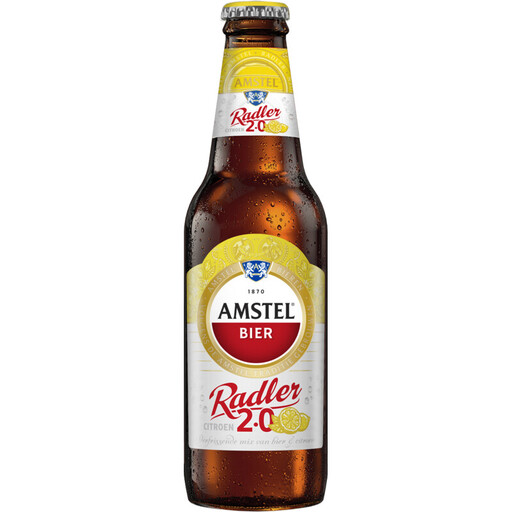
Why it’s a good fit: A smaller bottle with a fruity profile for a casual drink, barbecue or light meal.
The alcohol content of 2.0% is clearly stated. This prevents a low percentage from being mistaken for an alcohol-free drink.
300 ml per bottle; fruity beer blend with lemon, orange and lime juice, according to the product information.
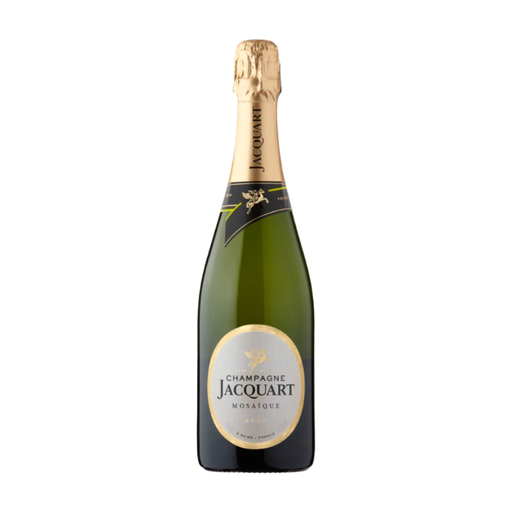
Why it’s a good fit: A dry sparkling wine for a celebratory dinner, aperitif or occasion when a standard bottle is preferred.
The product information lists the grape varieties, serving advice and brut style. Check the label for the definitive alcohol content; the stated percentage differs between the supplied specifications.
750 ml; blend of Chardonnay, Pinot Noir and Pinot Meunier; suitable with seafood and appetisers.
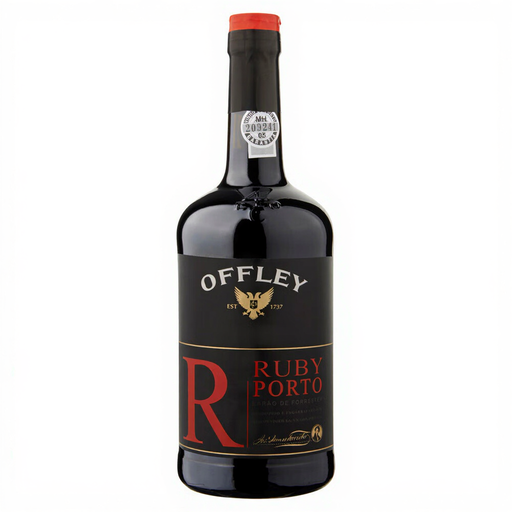
Why it’s a good fit: A sweet Portuguese port to serve with cheese, dessert or as the perfect end to a meal.
The high alcohol content of 19.5% vol and the presence of sulphites are stated in the product details.
750 ml; red fruit and plum tasting notes as described; serve at room temperature or lightly chilled.
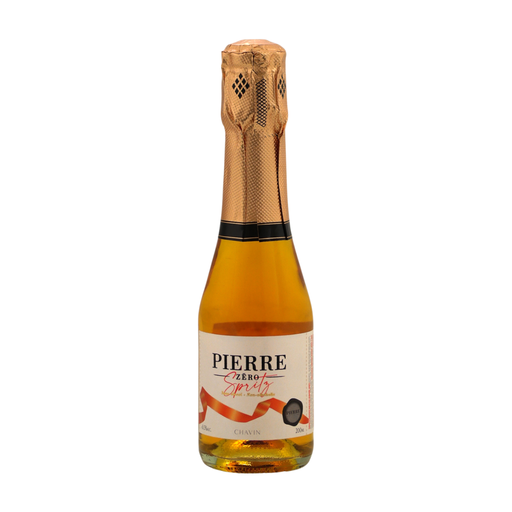
Why it’s a good fit: A compact alcohol-free aperitif for festive occasions, served over ice.
The product details explicitly state 0.0% vol. This is clearer than simply describing the drink as “alcohol-free”.
200 ml; notes of bitter orange peel and herbs; according to the product information, contains none of the 14 major EU allergens.
For dinner, choose a wine style that complements the dish. According to the product description, a dessert wine such as Nittnaus Beerenauslese Exquisit pairs well with sweet desserts. For casual drinks, craft beer, limoncello or a ready-to-serve cocktail are practical choices. Li Limoncello is a 500 ml Italian lemon liqueur with 14.5% vol, intended to be served chilled, neat or mixed.
For a larger gathering, Don Garcia Sangria may be a convenient choice with its 1.5-litre format. The product information highlights orange, lemon, apple and cinnamon flavour notes. Serve chilled over ice and check the stated alcohol content of 7.5% vol.
If you are looking to buy spirits, pay particular attention to the alcohol content, serving size and intended use. A liqueur is often sweeter and used differently from whisky, gin or vodka. Also review the ingredients when choosing a cream liqueur or flavoured spirit.
Explore the latest selection of beers, wines and spirits, and compare volume, flavour profile, alcohol content and product information before making your choice.
Yes, provided you are 18 or older. An age verification check may be carried out during online sales and delivery. Keep a valid form of identification available upon delivery if requested.
Compare the price per 100 ml and check the number of units. A beer multipack may offer a lower price per bottle, while a smaller bottle may be more suitable when you need only a limited amount. Also factor in delivery costs and any minimum order value.
Store unopened bottles as indicated on the packaging: usually in a cool, dark place away from direct sunlight. Seal an opened bottle securely and follow the guidance on shelf life after opening. Cream liqueurs and other products containing milk may have additional storage requirements. Always check the label.
