
Vandaag of morgen in huis

Kwaliteit gegarandeerd
Download de app
Categorieën

Choosing an air purifier can be a challenge. The market offers an overwhelming array of models with diverse specifications and features. How do you know which device truly meets your needs, whether for allergies, pet hair, or simply a fresher indoor environment? This guide will help you make an informed choice based on objective product specifications, so you can find a model that fits your situation and budget.
Before we highlight a few models, it's helpful to understand the key specifications. These objective criteria will help you compare devices fairly.
Based on the criteria above, we have made a selection of air purifiers that cater to different needs and situations.
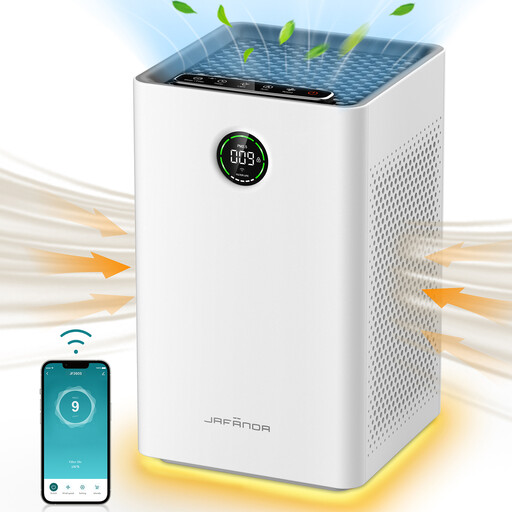
Why this product? The Jafända JF260S is a versatile model that offers a great balance between purification capacity and smart features. With a CADR of 260 m³/h, the device is suitable for medium to large rooms. The built-in PM2.5 sensor provides real-time insight into air quality and allows the auto mode to operate efficiently.
Pros:
Who is this for? This model is an excellent choice for users with a medium-sized living room or bedroom who value the convenience of app control and real-time data on air quality. It is also a practical option as an air purifier for allergies thanks to its HEPA filter.
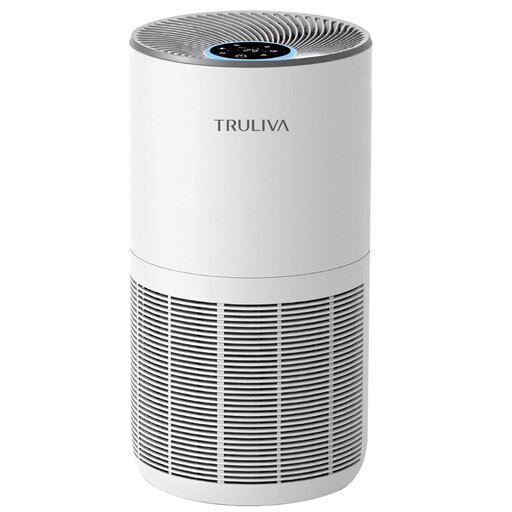
Why this product? The TRULIVA KJ450 stands out with its exceptionally high purification capacity. With an impressive CADR of 450 m³/h, this device is designed for large, open-plan spaces. The 360-degree air intake system ensures that air is drawn in from all directions, contributing to efficient circulation and purification of the entire room.
Pros:
Who is this for? Ideal for households with large living rooms, open-plan kitchens, or for those seeking a powerful solution. Its high capacity makes it an excellent air purifier for pets, as it can quickly filter out hair and odours. It is also highly suitable for people with severe allergies who desire rapid air exchange.
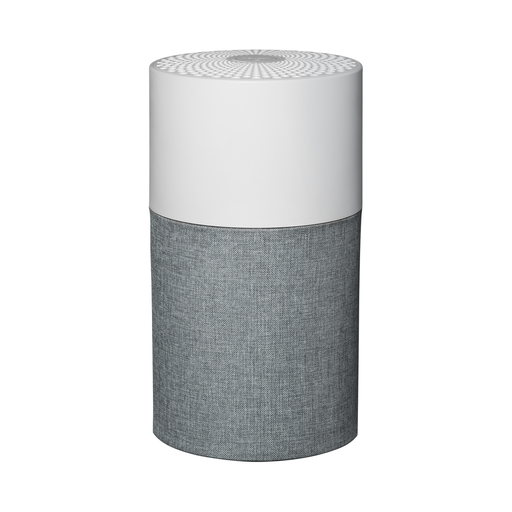
Why this product? The BLUEAIR Blue Pure 511 focuses on simplicity, efficiency, and a quiet design. This compact model is specifically designed for smaller spaces like a bedroom, nursery, or office. According to the manufacturer, it uses HEPASilent technology, which combines particle filtration with low energy consumption and quiet operation.
Pros:
Who is this for? This is the perfect choice for anyone looking for a quiet air purifier for a bedroom or a small office space. The focus is on creating a peaceful and clean environment without complex settings.
The selection above focuses on specific use cases. If your ideal model isn't among them, or if you're looking for a solution that not only purifies but also actively diffuses a pleasant scent, you can browse our broader assortment. For alternative solutions for your indoor environment, you can explore our range of automatic air fresheners.
1. How often should I replace the filter in an air purifier? A filter's lifespan depends on the model, intensity of use, and air quality. On average, a HEPA and carbon filter should be replaced every 6 to 12 months. Many air purifiers have a replacement indicator that signals when it's time for a change.
2. Do air purifiers really help with allergies? An air purifier with a HEPA filter is designed to capture particles like pollen, dust mites, mould spores, and pet dander from the air. By reducing the concentration of these allergens in the indoor air, the device can help alleviate symptoms for people with allergies like hay fever.
3. What is the difference between an air purifier and a humidifier? An air purifier filters contaminants from the air to improve its quality. A humidifier adds water vapour to the air to increase the humidity level, which can be particularly useful against dry air in the winter. The devices, therefore, have a fundamentally different function.