
Vandaag of morgen in huis

Kwaliteit gegarandeerd

Welkomstaanbiedingen ontgrendelen: GRATIS bezorging | Tot 80% korting | Gratis 30 dagen JoyPlus-proefperiode
Download de app
Investing in an air purifier seems like a simple step towards fresher, cleaner air. But the market is saturated with marketing promises that don't always deliver. Many people end up buying a unit that's too weak for their room, makes too much noise, or incurs unexpectedly high costs due to expensive filters.
As a Joybuy Product Recommendation Officer, I'll help you cut through the noise. We'll focus on what truly matters, ensuring you make an informed decision. Let's discuss the three most common pitfalls when buying an air purifier.
To avoid a poor investment, there are three technical specifications you must check before you buy an air purifier.
The CADR indicates how much clean air an air purifier can deliver per hour, expressed in cubic metres per hour (m?/h). This is the most important indicator of the device's effectiveness in a given room.
The effectiveness of an air purifier depends entirely on its filters. Most quality models use a multi-stage system:
A good filter for an air purifier combines these elements for complete purification.
An air purifier often runs for hours on end, especially in the bedroom. A noisy device quickly becomes a source of irritation.
Below are some models that score well on the above criteria, matched to specific user profiles.
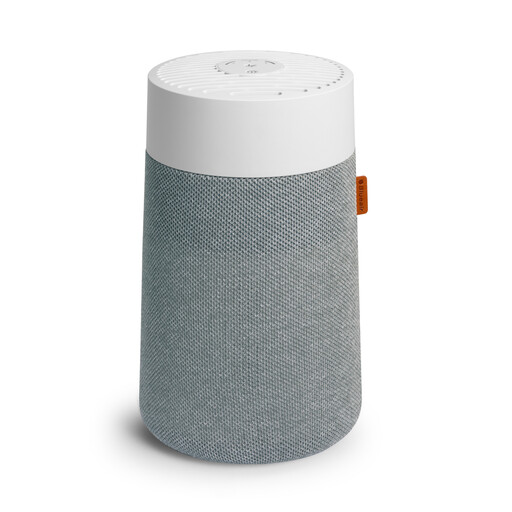
Why This Fits Their Persona: Ideal for those seeking a compact and quiet solution for a bedroom or office up to 20 m?. Its minimalist design and simple one-button operation fit perfectly in a quiet environment where focus or sleep is important.
This model avoids the capacity trap by specifying a clear CADR (117 m?/h) and a realistic room size (up to 20 m?). No exaggerated claims, just clear performance for the intended space.
Blueair's HEPASILENT technology delivers efficient filtration with minimal noise. The one-button control is extremely simple, without unnecessary 'smart' features.
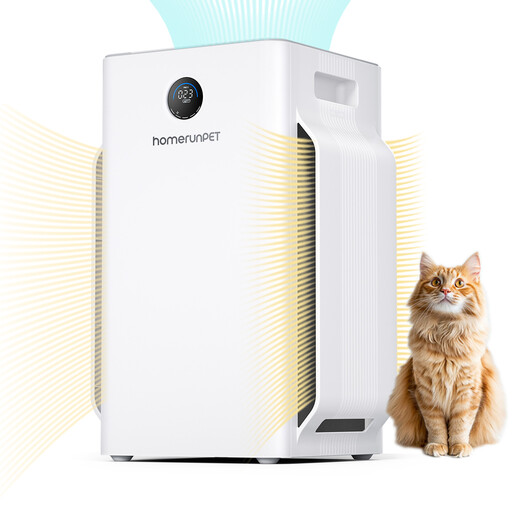
Why This Fits Their Persona: Specifically designed for households with cats and dogs. This device focuses on efficiently removing hair, dander, and associated odours, improving air quality for both people and pets.
This model bypasses the hidden costs trap. It features a washable pre-filter that captures larger hairs and dust particles, extending the life of the more expensive True HEPA and carbon filter.
The combination of a True HEPA filter with an activated carbon filter effectively tackles both particles (dander) and odours. The quiet sleep mode (25 dB) ensures an undisturbed night's rest.
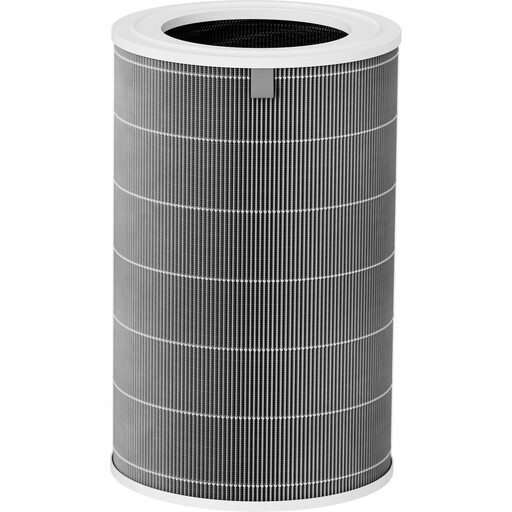
Why This Fits Their Persona: For the many owners of a Xiaomi Smart Air Purifier 4 Lite who are looking for a replacement filter. This is a direct, reliable solution to maintain the performance of their existing device.
By choosing an original Xiaomi filter, you avoid the pitfall of cheap, incompatible third-party filters. These can reduce efficiency, overload the motor, or even cause damage.
This 3-in-1 filter is specifically designed for the 4 Lite. It combines a pre-filter, a high-efficiency HEPA H13 filter, and an activated carbon layer for guaranteed compatibility and performance.
We have compiled a complete, up-to-date list of products that fully meet these strict selection criteria and local regulations.
This depends on the model, usage, and the air quality in your home. Most manufacturers recommend replacing the HEPA filter and carbon filter every 6 to 12 months. Many modern air purifiers have an indicator that tells you when it's time for a replacement. A washable pre-filter can help extend the life of the main filters.
An air purifier with a True HEPA filter is designed to capture airborne particles that can cause allergic reactions, such as pollen, dust mites, and pet dander. By removing these allergens from the indoor air, the device can help reduce symptoms. It is a tool to manage your living environment, not a medical treatment.
Place the air purifier in the room where you spend the most time, such as the bedroom or living room. Ensure there is about 30 centimetres of free space around the unit so that the air intake and outlet are not blocked. For optimal air circulation, do not place the device in a corner, behind furniture, or directly under an open window.
