
Vandaag of morgen in huis

Kwaliteit gegarandeerd

Welkomstaanbiedingen ontgrendelen: GRATIS bezorging | Tot 80% korting | Gratis 30 dagen JoyPlus-proefperiode
Download de app
A breath of fresh air without leaving your home. That's the promise of an air purifier. Whether you suffer from hay fever, own a pet, or simply want to improve the air quality in your city apartment, the right device can make a noticeable difference. But the market is saturated with models that make lofty promises. Many people fall for marketing traps and end up with a device that costs more than it delivers.
Before you buy an air purifier, it's important to recognise two common pitfalls:
To avoid a bad purchase, it's essential to look past the marketing and focus on the specifications that truly matter. These are the three most important factors for an effective air purifier.
The CADR (Clean Air Delivery Rate), expressed in cubic meters per hour (m?/h), is the most objective measure of an air purifier's performance. It indicates how much clean air the device can deliver per hour. A higher CADR means faster and more effective cleaning.
Rule of Thumb: Choose a CADR that matches your room size. For healthy air circulation, it's recommended that the air in a room is completely replaced at least 2 to 3 times per hour. Calculate your room's volume (length x width x height) and multiply it by 3. The result is the minimum CADR you need. For example, a 20 m? bedroom with a 2.5-meter ceiling (50 m? volume) requires a CADR of at least 150 m?/h.
The heart of any air purifier is its filter. An air purifier with a HEPA filter is the gold standard for those who want serious results. HEPA stands for High-Efficiency Particulate Air.
air purifier for allergies, as it effectively removes pollen, dust mites, and fine particulate matter.air purifier for pet dander or smoke, an additional activated carbon filter is essential. This filter absorbs odours and volatile organic compounds (VOCs) that a HEPA filter cannot capture.No one wants a noisy machine in their home, especially in the bedroom. The noise level, measured in decibels (dB), is therefore a key factor. A quiet air purifier produces less than 30 dB on its lowest setting (sleep mode), which is comparable to a whisper. Pay attention to the specifications for the lowest setting, as the highest setting can be significantly louder.
Based on these objective criteria, we have selected several models that suit different needs and situations.
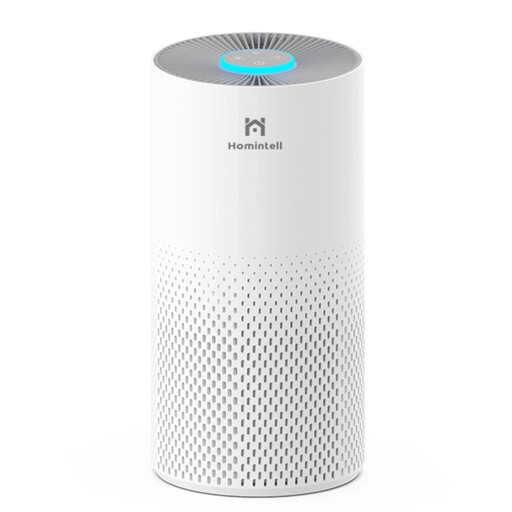
Why it's a match: Ideal for those seeking an effective, no-nonsense air purifier for a single room like a bedroom or small home office. Its compact size and simple controls make it a perfect entry-level model.
This model focuses on the core function: purifying air with a HEPA and carbon filter. It avoids expensive, unnecessary 'smart' features, keeping the price and filter costs manageable.
The 150 m?/h CADR is more than sufficient for rooms up to 18 m?. The touch controls and timer function offer convenience without complexity.
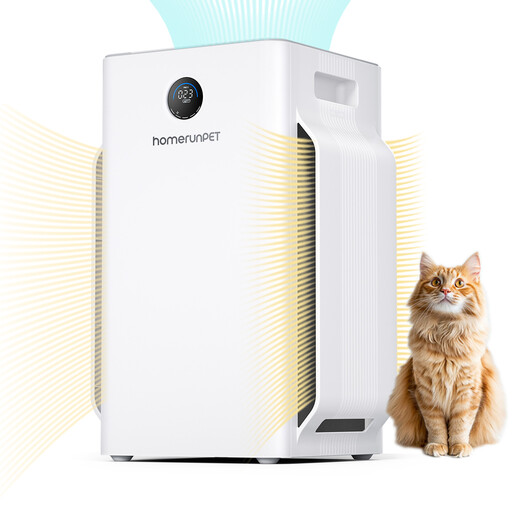
Why it's a match: Specifically designed for households with pets. This device focuses on efficiently removing hair, dander, and associated odours, making it a godsend for cat and dog owners.
This is not a generic air purifier. Its design is focused on tackling pet-related issues. The washable pre-filter traps hair, which extends the life of the more expensive HEPA/carbon filter and reduces maintenance costs.
The combination of a True HEPA filter and an activated carbon filter tackles both allergens and odours. The quiet sleep mode (25 dB) ensures you and your pet can sleep undisturbed.
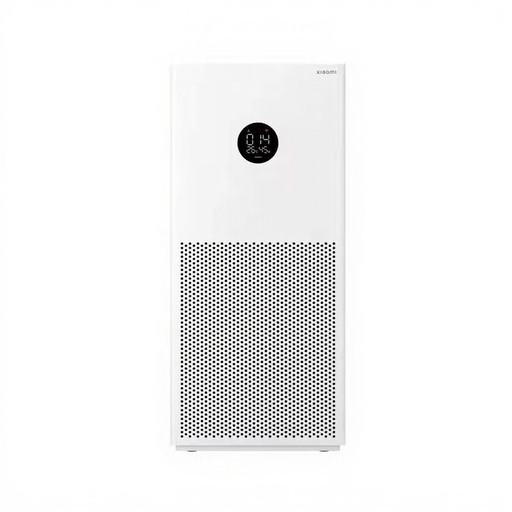
Why it's a match: For those who value convenience and data. This model integrates seamlessly with Google Assistant and Amazon Alexa, offering detailed control and insights into your home's air quality via the app.
While this model is 'smart', its features are practical, not just gimmicks. The high CADR of 360 m?/h justifies the price and ensures real performance in medium to large rooms (25-43 m?).
Remote control via the app and voice commands. The LED screen displays real-time PM2.5 levels, temperature, and humidity, giving you complete control over your indoor environment.
We have compiled a complete, up-to-date list of products that fully meet these strict selection criteria and local regulations.
This largely depends on the model, usage, and the air quality in your home. Most manufacturers recommend replacing the HEPA and carbon filter every 6 to 12 months. Many modern air purifiers have an indicator that tells you when it's time for a replacement. A washable pre-filter can significantly extend the life of the main filters.
For optimal performance, place the air purifier in the room where you spend the most time, such as the living room or bedroom. Ensure there is at least 20-30 cm of free space around the device to allow for free air circulation. Do not place it in a corner or directly against a wall.
The noise level varies by model and setting. On its highest setting, a powerful air purifier can be audible, similar to a fan. However, most models have a special sleep or night mode that is whisper-quiet (under 30 dB). This is ideal for use in the bedroom without disturbing your sleep. Always check the specifications for the noise level on the lowest setting.
