
Vandaag of morgen in huis

Kwaliteit gegarandeerd

Welkomstaanbiedingen ontgrendelen: GRATIS bezorging | Tot 80% korting | Gratis 30 dagen JoyPlus-proefperiode
Download de app
Do you often find the air in your home feels heavier than it should? Whether you suffer from hay fever, have a pet that sheds heavily, or are concerned about urban air quality, an air purifier seems like a logical solution. However, the market is flooded with models that promise the world. Many people fall for marketing traps and end up with a device that consumes more power than it purifies air. Before you buy an air purifier, it's crucial to know what to look for.
We've outlined the three most common pitfalls to help you make an informed decision.
To make the right choice, you don't need to pore over a technical manual. Focus on three key specifications that mean the difference between clean air and a useless appliance.
CADR (Clean Air Delivery Rate): This is the most important number. It indicates how many cubic metres of clean air the device delivers per hour (m?/h). A higher CADR means faster and more effective cleaning. As a rule of thumb, you can multiply your room's volume (length x width x height) by 3. The resulting number is a good guideline for the required CADR. For a bedroom of 40 m? (e.g., 5m x 4m x 2m), you should look for an air purifier with a CADR of around 120 m?/h.
Filter Type (HEPA and Activated Carbon): A good air purifier has a multi-stage filtration system. The two most important components are:
Noise Level (dB): For a quiet air purifier in the bedroom or office, the noise level is crucial. Look at the decibel (dB) value on the lowest setting. A value below 30 dB is generally considered whisper-quiet and won't disturb your sleep.
Based on the criteria above, we have selected a number of models that suit different needs and situations.
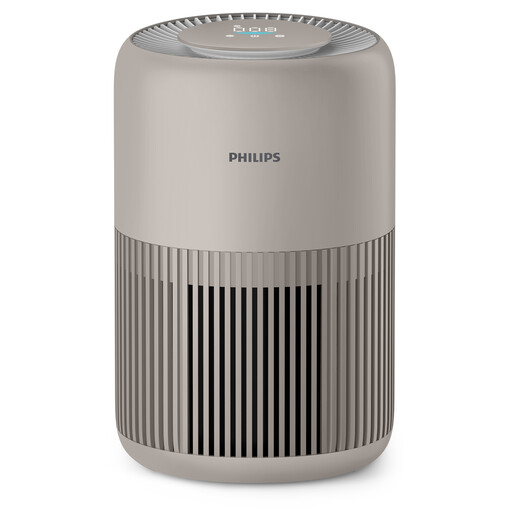
Why This Fits Their Persona: This compact model is designed for an undisturbed night's sleep. The combination of an effective HEPA filter and a very low noise level in sleep mode makes it a popular choice for those bothered by pollen or dust mites at night.
Tackles the 'silent operation' myth. At 20.5 dB, the sleep mode is truly whisper-quiet, while the CADR of 250 m?/h remains more than sufficient for effective cleaning of an average bedroom.
HEPA Filtration: Captures 99.97% of particles down to 0.003 microns. Automatic Mode: The AeraSense sensor automatically adjusts the speed based on air quality.
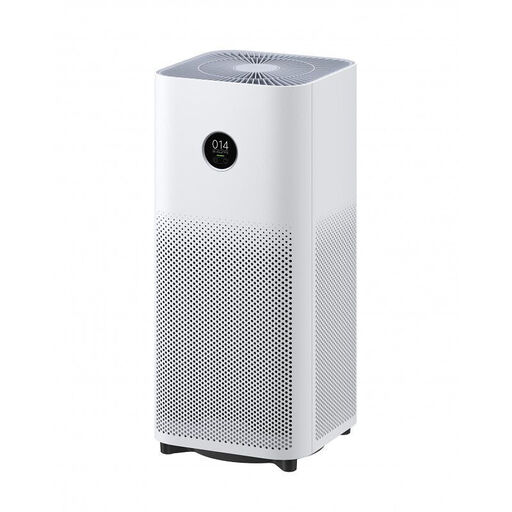
Why This Fits Their Persona: Pets bring hair, dander, and odours into the home. This model combines a very high CADR with a large activated carbon filter, allowing it to quickly and effectively refresh the air in a larger living space and eliminate unpleasant smells.
Avoids the 'wrong capacity' trap. The CADR of 500 m?/h is powerful enough to purify a 40 m? living room in about 15 minutes, matching the performance needed for a larger space with pets.
High CADR: 500 m?/h for rapid cleaning. Odour Removal: The three-in-one filter contains a generous amount of activated carbon. Smart Control: Manageable via app and voice assistants.
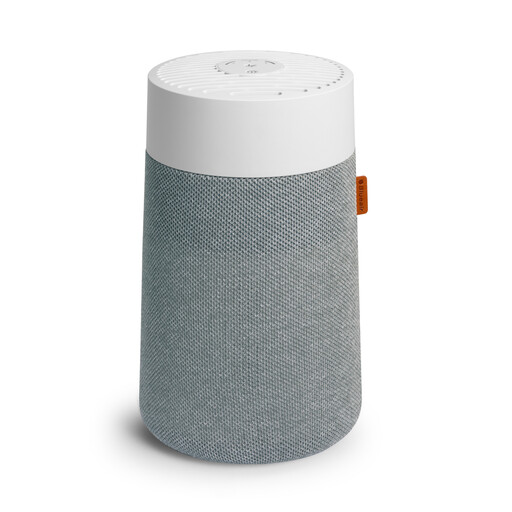
Why This Fits Their Persona: For those living in an apartment or studio who want an effective, no-fuss solution. This model is compact, easy to operate with two buttons, and offers Blueair's proven HEPASILENT technology in an affordable package.
This is a transparent choice that avoids the 'filter cost' trap. The replacement filters are reasonably priced and widely available, keeping maintenance costs predictable and manageable.
Compact and Portable: Lightweight and easy to move. Simple Operation: No complicated settings, just turn it on and choose the speed.
We have compiled a complete, up-to-date list of products that fully meet these strict selection criteria and local regulations.
This depends on the model, usage intensity, and the air quality in your home. Most manufacturers recommend replacing the HEPA and carbon filters every 6 to 12 months. Many modern air purifiers have an indicator light that automatically tells you when it's time for a new filter.
For optimal performance, place the air purifier on a flat surface in the room where you spend the most time, such as the living room or bedroom. Ensure there is at least 30 centimetres of free space around the unit so that the air intake and outlet are not blocked by walls or furniture.
The noise level varies greatly by model and setting. A quiet air purifier on its lowest setting (sleep mode) often produces less than 30 decibels (dB), which is comparable to a whisper. On the highest setting, this can increase to 50-60 dB. Always check the specifications for the dB values if noise is an important factor for you.
