
Vandaag of morgen in huis

Kwaliteit gegarandeerd

Welkomstaanbiedingen ontgrendelen: GRATIS bezorging | Tot 80% korting | Gratis 30 dagen JoyPlus-proefperiode
Download de app
Struggling with hay fever, a persistent pet odour, or the stale air in a city apartment? An air purifier might seem like the logical solution. But the market is flooded with devices that promise the world. Before you make a choice, it's crucial to know what to look for. Many models have drawbacks that only become apparent after you buy them.
Here are three common pitfalls:
To avoid these pitfalls, there are a few technical specifications you should check. They may seem complicated, but they are simple to understand and crucial for choosing the right air purifier.
The CADR indicates how many cubic meters of clean air a device can deliver per hour (m?/h). This is the most important indicator of an air purifier's effectiveness. A higher CADR means the air in a room is purified faster.
How do you apply this? A good rule of thumb is that the air purifier should be able to completely refresh the air in the room at least 2 to 3 times per hour. Calculate the volume of your room (length x width x height in meters) and multiply it by 3. The number you get is the minimum CADR you need for that space.
Example: A bedroom measuring 4m x 5m with a 2.5m ceiling has a volume of 50 m?. You therefore need an air purifier with a CADR of at least 150 m?/h (50 x 3).
Most air purifiers use a multi-stage filtration system. The two most important components are:
HEPA air purifier is essential for removing fine particles from the air. A True HEPA filter, by specification, captures 99.97% of particles as small as 0.3 microns. This includes pollen, dust mites, mould spores, and pet dander, making it an indispensable feature for an air purifier for allergies or an air purifier for pets.air purifier for smoke, cooking smells, and other unwanted household odours.The noise level, expressed in decibels (dB), determines how disruptive the device is. This is a critical point, especially for a bedroom air purifier.
A good quiet air purifier will have a special sleep or night mode that significantly reduces the noise level.
Based on these criteria, we have selected a number of models that suit different situations and needs.
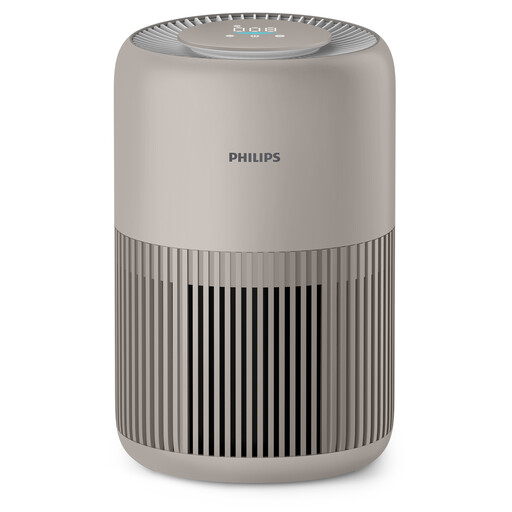
Why This Fits Their Persona: This compact model is designed for tranquility. Its sleep mode is extremely quiet at 20.5 dB, ensuring your sleep isn't disturbed. The 250 m?/h CADR is more than sufficient for most bedrooms.
It sidesteps the "turbo mode" trap by offering an effective yet whisper-quiet sleep mode. Its performance isn't just good on paper; it's practical for real-world use.
AeraSense sensor: Automatically adjusts speed based on air quality. Compact size: Fits easily on a nightstand.
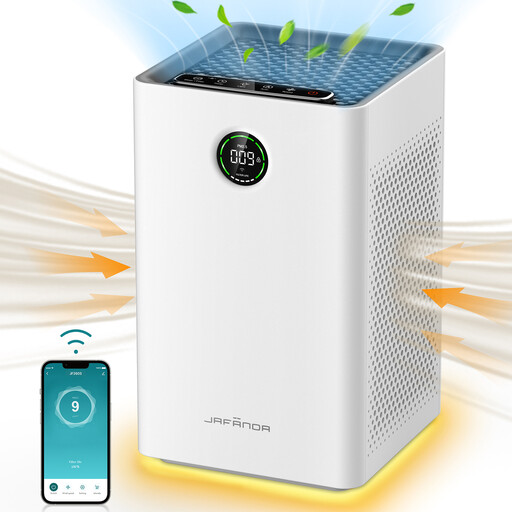
Why This Fits Their Persona: This model combines an H13 HEPA filter for hair and dander with a substantial layer of activated carbon (300g) to effectively neutralize odours. Its 260 m?/h CADR is suitable for most living rooms.
It tackles the hidden costs pitfall by specifying a filter lifespan of 3000 hours. This provides a clearer picture of long-term maintenance costs.
3-stage filtration: HEPA filter combined with a thick layer of activated carbon. Smart control: Works with an app and voice assistants like Alexa.
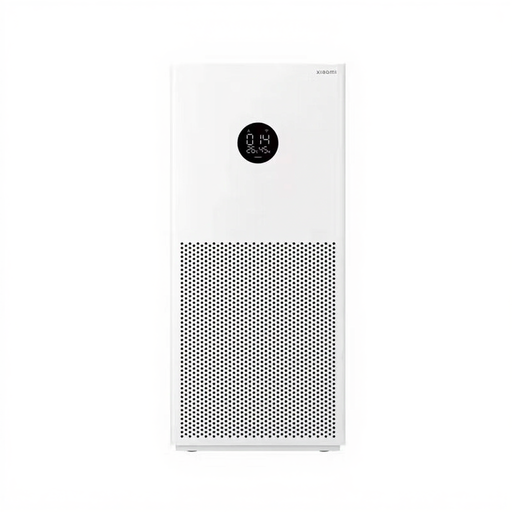
Why This Fits Their Persona: This `smart air purifier` offers exactly what a tech enthusiast wants: data and control. The LED screen displays real-time PM2.5 levels, temperature, and humidity. Integration with the Mi Home app, Google Assistant, and Alexa allows for full automation.
It avoids the "gimmick" trap by integrating into a mature smart home ecosystem and displaying genuinely useful, real-time data. The smart features add real value.
Real-time display: Instant insight into air quality. Extensive smart integration: Full control via app and voice assistants.
We have compiled a complete, up-to-date list of products that fully meet these strict selection criteria and local regulations.
This depends on the model, the intensity of use, and the air quality in your home. Generally, HEPA and carbon filters should be replaced every 6 to 12 months. Most modern air purifiers have an indicator light that tells you when it's time for a replacement. A washable pre-filter can extend the life of the main filters.
For optimal performance, place the air purifier on a flat, stable surface with at least 30 cm of free space on all sides. This ensures good air circulation. Place the device in the room where you spend the most time, such as the living room or bedroom. Avoid corners or placing it directly behind large pieces of furniture.
The noise level varies greatly by model and setting. A quiet air purifier produces less than 30 dB on its lowest setting or in sleep mode, which is barely audible. On the highest setting, the noise can increase to 50-60 dB. If you are sensitive to noise, choose a model with a specific night or sleep mode.
