
Vandaag of morgen in huis

Kwaliteit gegarandeerd

Welkomstaanbiedingen ontgrendelen: GRATIS bezorging | Tot 80% korting | Gratis 30 dagen JoyPlus-proefperiode
Download de app
A sweatshirt might seem simple to pick: choose your size, pick a colour and place your order. Yet many shoppers end up disappointed by an awkward fit, fabric that’s too warm or tricky care instructions. So if you’re looking to buy a sweatshirt, it pays to look beyond just the brand and logo.
These common pitfalls often crop up:
Alongside the standard size, always check the brand’s size guide. For a men’s sweatshirt, look at chest width, sleeve length and waist. For a women’s sweatshirt, shoulder width is also important. For a kids’ sweatshirt, height and age are often combined. The age label is only a guide; the centimetres in the size chart are what really matter.
A regular fit is usually suitable if you want room to move without a loose silhouette. A relaxed fit offers more space around the shoulders and torso. If you’re wearing the sweatshirt over a T-shirt or thin blouse, that extra room can come in handy. Planning to wear a jacket or body warmer over it? Then check the sleeve cuffs and shoulder line carefully.
Cotton sweatshirt styles often feel soft and breathable. However, cotton can be processed in different ways: smooth jersey, brushed fleece or a thicker blended fabric each give a different feel.
Look out for these points:
Brand claims about comfort, durability or warmth should be read as product claims. For example, according to adidas’s own product information, the Trefoil Essentials Crew is made from 70% cotton and 30% recycled polyester. The product specification can be verified; statements about the wearing experience may vary from person to person.
A crewneck sweatshirt has a round neckline and is easy to pair with jeans, chinos or joggers. A hoodie offers extra coverage around the neck and often has a kangaroo pocket. An adjustable hood is handy when you want to customise the fit.
Also check:
A style that can’t go in the tumble dryer, for example, requires more upkeep than a sweatshirt that’s easy to machine wash. Always follow the care label: instructions can vary by colour, material and finish.
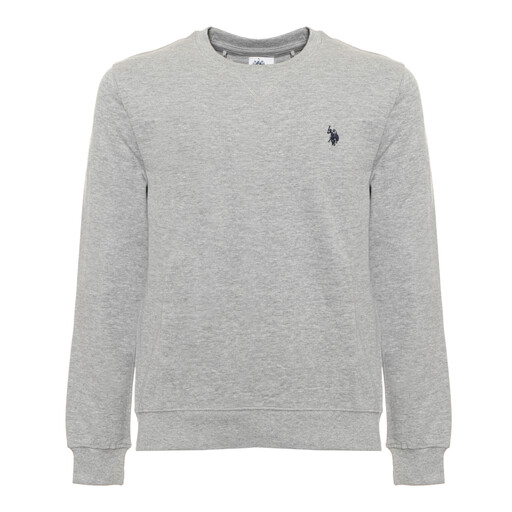
Why this fits the profile: The round neck and grey colour make this style easy to pair for everyday wear. The composition is 95% cotton and 5% viscose.
The material ratio is clearly stated, so you’re not relying solely on the term fleece or the logo.
Cotton-rich fabric, long sleeves, round neck and an embroidered U.S. Polo Assn. logo.
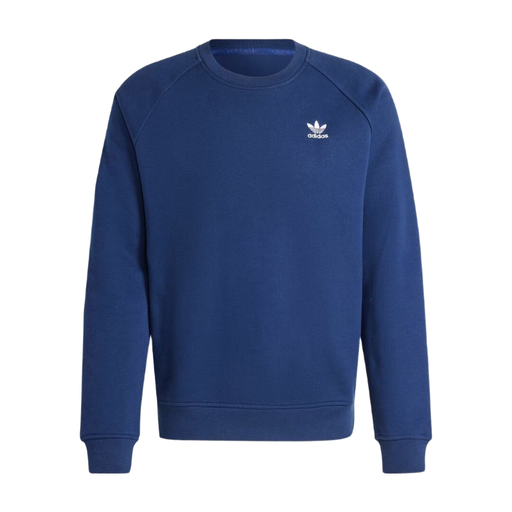
Why this fits the profile: This crewneck sweatshirt combines a regular fit with fleece and a sporty embroidered Trefoil logo. It’s suitable for leisure, travel and layering.
The product information states the fit, fabric composition and care instructions. This allows you to compare the style more effectively.
70% cotton, 30% recycled polyester, fleece, ribbed trims and sizes from S to XXL according to the product information.
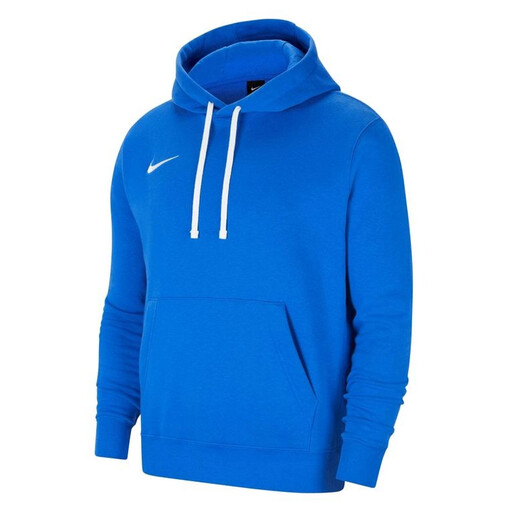
Why this fits the profile: The hoodie has an adjustable hood, kangaroo pocket and ribbed cuffs. This suits sporting activities and regular casual wear.
The practical features are clearly listed in the description. According to Nike’s own product information, Dri-FIT is designed for moisture management; this is a brand claim and not a guarantee for every user.
Hood, front pocket, ribbed trims and a design for training, team sports and everyday wear.
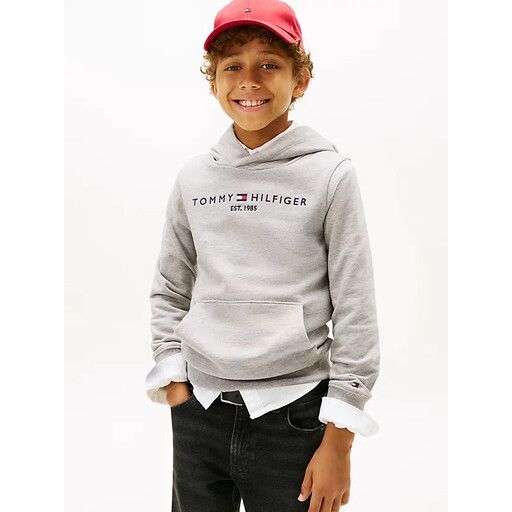
Why this fits the profile: This kids’ hoodie has a gender-inclusive design, light grey colour, hood and kangaroo pocket. The size guide uses EU centimetres and age categories.
The fabric is specifically listed as 100% certified organic cotton. Do check the current size guide and label before purchasing.
100% organic cotton according to the product information, kangaroo pocket and ribbed cuffs and hem.
We’ve put together a full, up-to-date list of products that fully meet these strict selection criteria and current European safety regulations.
That depends on how you plan to wear it. Cotton often feels soft for everyday use. Fleece is designed for a warmer feel, while a cotton-polyester blend can offer different properties in terms of shape and care. Always compare the percentages in the product specifications.
Measure your chest, waist and, if needed, shoulders, and compare these centimetres with the brand’s size guide. For children’s clothing, you can use height as an extra check. If you plan to wear a hoodie over other layers, allow for some extra room.
Follow the care label. Many styles require a low temperature, a gentle cycle and washing inside out. Avoid bleach when it’s not recommended, and check whether the hoodie or sweatshirt can go in the tumble dryer. It’s best not to iron logos and prints directly with a hot iron.
