
Vandaag of morgen in huis

Kwaliteit gegarandeerd

Welkomstaanbiedingen ontgrendelen: GRATIS bezorging | Tot 80% korting | Gratis 30 dagen JoyPlus-proefperiode
Download de app
Buying a lip tint seems straightforward, until you have to choose between a glossy lip tint, lip stain, shiny lipstick and volumising lip gloss. Marketing terms like “hydrating”, “long-lasting” and “non-sticky” sound appealing, but they don’t always tell you how a product will behave on your lips.
The most common buying mistakes come down to three pitfalls:
If you’re searching for “buy a lip tint”, you’re probably looking for a combination of colour, comfort and a finish that suits daily wear. So start by looking at the formula, and only then at the trend colour.
A lip tint typically gives a light to buildable colour. A lip stain often leaves a layer of colour that can remain visible even after it fades. A glossy version contains more shine and usually feels smoother, but may need more frequent touch-ups.
Keep these practical differences in mind:
For a daily look, nude, soft pink and muted berry shades are often easy to combine. Warm undertones can appear more peachy or coral; cool undertones tend towards blue-pink, mauve or berry.
A product with buildable coverage is handy if you want both a subtle stain and a more intense lip colour. Start with one thin layer. This way you can see better how the tint blends with your own lip colour and avoid a red or dark shade becoming too heavy straight away.
Check before you buy:
A claim about care or longevity should be read as a product feature from the brand, not as a guaranteed result. According to OGB’s own information, certain lip stains are enriched with peptides, sweet almond oil or sodium hyaluronate. This describes the formula; it is not a medical effect or a guarantee for reducing fine lines.
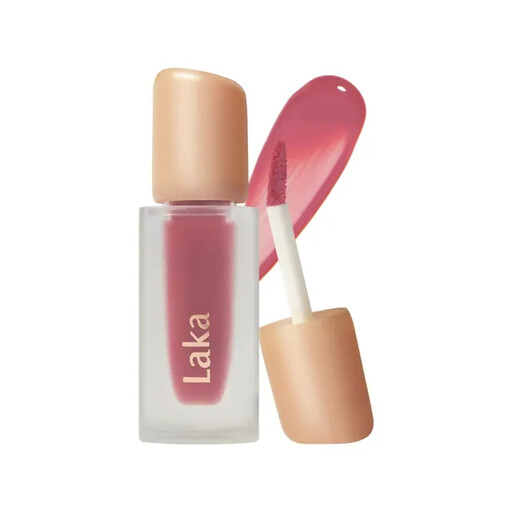
Why this fits the profile: The neutral, muted pink shade and semi-sheer gloss are suitable for a simple everyday make-up look. The applicator makes thin application and building up easy to manage.
The colour is buildable, so you don’t have to apply an overly intense shade straight away. The product description mentions a vegan formula, glycerin and squalane; check the full ingredients list if you have sensitivities.
4.5 g content, vegan according to the product description and a glossy, non-heavy texture with ten listed fruit juice ingredients.
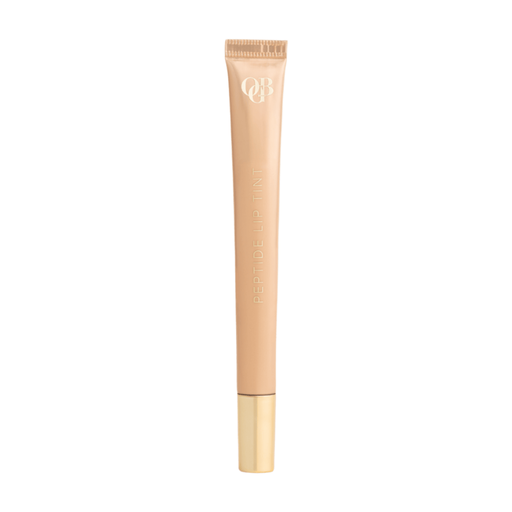
Why this fits the profile: This champagne shade with high shine suits anyone looking for a pampering, subtle tint that’s also wearable during the day.
The colour isn’t intended as a full-coverage lipstick. That makes it easier to avoid uneven edges or a colour that’s too heavy.
1% peptide blend according to the brand description, sodium hyaluronate, jojoba oil, sunflower oil and mango seed butter.
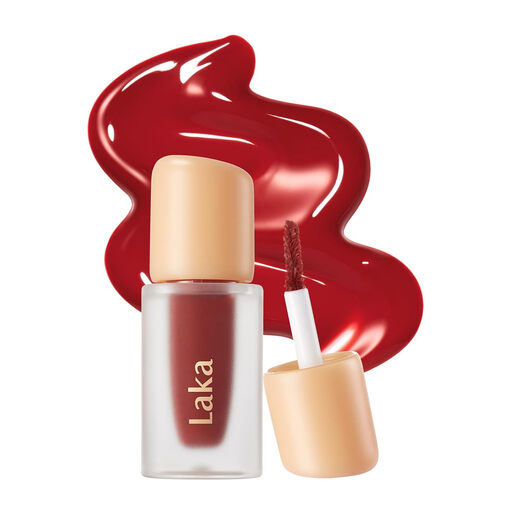
Why this fits the profile: The cherry shade is practical for anyone who wants a clear colour that’s compact enough to pop in a bag and can be worn as a stain.
The instructions advise letting the product dry for a stain finish. This means you can work evenly first before building up further.
4.5 g content, South Korean product origin and a formula that, according to the product information, can dry down to a non-sticky stain finish.
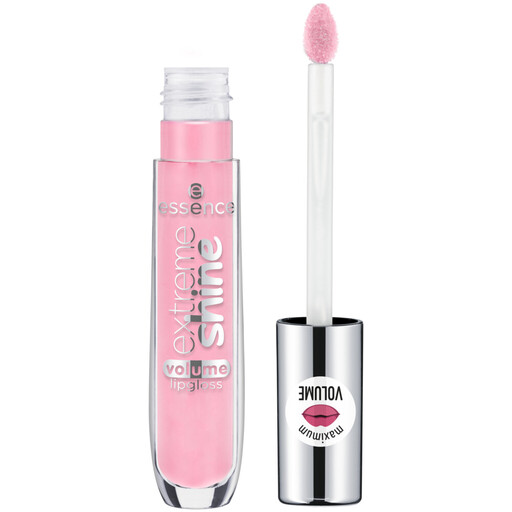
Why this fits the profile: This is a gloss, not a stain. It suits users who are mainly after a wet-look, shine and optically fuller-looking lips.
The product information makes it clear that this is a lip gloss with a plumping effect, not a long-lasting lip stain. So you know upfront that shine and volume are the priority.
5 ml content, vegan according to the product description and free from alcohol, oil, silicones and microplastic particles; the cap contains 90% recycled plastic.
We’ve put together a full, up-to-date list of products that fully meet these strict selection criteria and comply with current European safety regulations.
No. A lip tint is often a light, buildable colour with a comfortable or glossy formula. A lip stain is designed to leave more colour on the lips after the formula has dried down. Always check the usage instructions, because brands don’t always use the terms in the same way.
That depends on the formula, the amount applied, the base layer and when you eat or drink. A glossy lip tint can lose its shine more quickly, while a stain can leave colour behind for longer. A claim like “long-lasting lip colour” comes from the brand’s product information and isn’t a fixed duration for every user.
Apply the product to clean, smooth lips and, if needed, use a thin layer of lip balm beforehand. Let it sink in briefly before applying the tint. With a hydrating lip tint, read the ingredients list and avoid products with ingredients you’ve reacted to before. Stop if you experience burning, redness or swelling, and follow the safety instructions on the packaging.
