
Vandaag of morgen in huis

Kwaliteit gegarandeerd

Welkomstaanbiedingen ontgrendelen: GRATIS bezorging | Tot 80% korting | Gratis 30 dagen JoyPlus-proefperiode
Download de app
A freezer might seem like a simple purchase, until you realise your new appliance is an energy guzzler, you're constantly chipping away ice, or it simply can't be placed in the shed. Many marketing promises sound great but lead to frustration in practice. Let's review the most common pitfalls so you can buy a freezer that truly fits your needs.
Pitfall 1: Focusing on the purchase price, not the running costs. A cheap model can become expensive in the long run due to a high energy bill. An energy-efficient freezer with a better energy label may cost more upfront but will save you money year after year.
Pitfall 2: Choosing the wrong defrost function. Manual defrosting is a time-consuming chore. Many people underestimate how quickly ice builds up, which reduces efficiency and takes up space. A No Frost freezer or a model with Low Frost can save you a lot of effort.
Before you make a decision, there are a few specifications that make the difference between a good and a bad purchase.
The required capacity depends on your household and your habits. A freezer that's too large consumes unnecessary energy, while one that's too small is impractical.
Besides the traditional upright freezer (a tall model with drawers), there is also the chest freezer. This type opens from the top and is often more energy-efficient with more effective storage space, but it can be harder to reach products at the bottom.
Since 2021, freezers have a new energy label ranging from A (most efficient) to G (least efficient). A model with a C label can consume significantly less power than a model with an E or F label. The annual energy consumption is expressed in kilowatt-hours (kWh). Multiply this number by your electricity rate to get an estimate of the annual costs.
Below are some popular choices, tailored to different needs and situations.
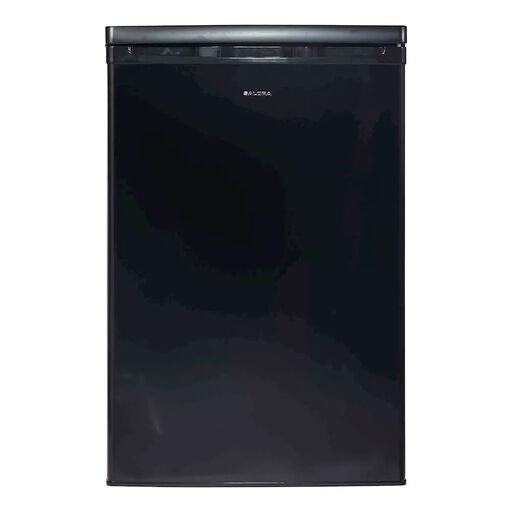
Why This Fits Their Persona: Perfect for those seeking extra freezer space without sacrificing much room. This table-top model fits in a kitchen, utility room, or student dorm. The stylish black finish makes it a modern addition to any interior.
This model has a manageable capacity of 91 litres, so you don't pay for unused space and energy. It's a practical choice that does exactly what's needed.
Compact and flexible: The reversible door and size make placement easy. Quiet operation: With a noise level of 40 dB, it's relatively quiet.
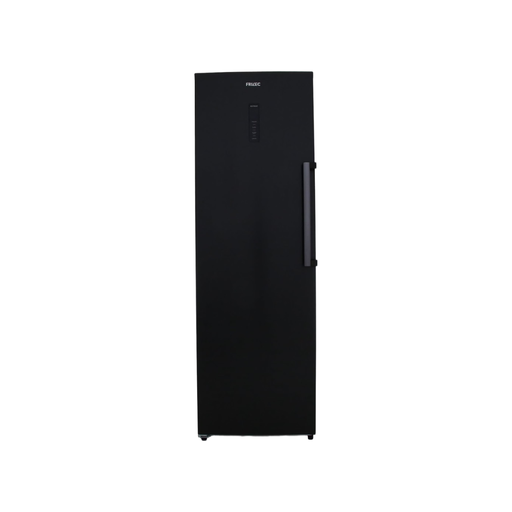
Why This Fits Their Persona: Families need capacity and convenience. With 274 litres of space and a No-Frost system, this model offers both. There's plenty of room for weekly groceries, and no one has to worry about defrosting.
This model tackles the two biggest pitfalls: it has a favourable energy label C and its No-Frost technology completely eliminates the tedious defrosting chore.
Large capacity: 274 litres is more than enough for a family. Energy-efficient and convenient: Label C and No-Frost ensure low costs and minimal maintenance.
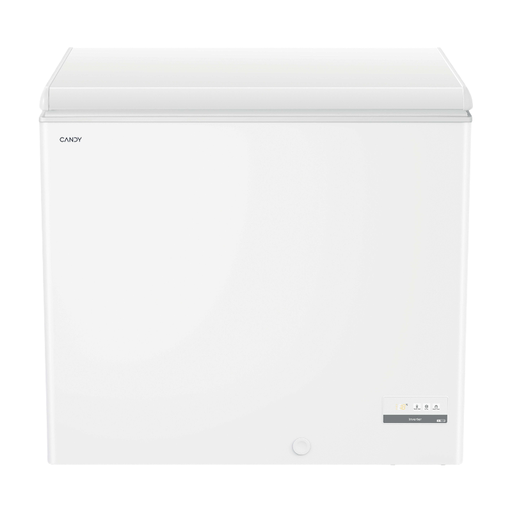
Why This Fits Their Persona: For those who like to buy in bulk or have a vegetable garden, a chest freezer is ideal. This model offers 196 litres of flexible storage, perfect for large cuts of meat, loaves of bread, or garden harvests.
This chest freezer combines a highly efficient energy label C with Low Frost technology. This means low energy costs and significantly less frequent defrosting than a standard model.
Highly energy-efficient: Class C is excellent for a freezer of this size. Spacious and flexible: The open layout of a chest freezer is ideal for large or awkwardly shaped items.
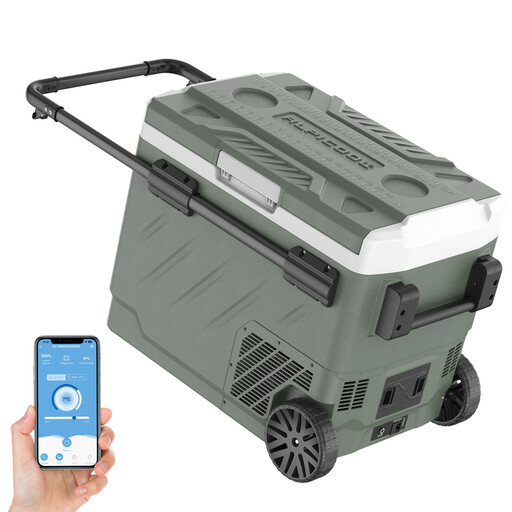
Why This Fits Their Persona: For campers, truck drivers, or anyone who travels a lot. This portable freezer runs on 12V/24V in the car and 230V at home, offering the freedom to take chilled or frozen goods anywhere.
This isn't a simple cooler, but a true compressor freezer. It cools quickly and efficiently down to -20°C, unlike cheaper thermoelectric models that depend on the ambient temperature.
Dual Zone & App Control: Two separately adjustable compartments. Portable and robust: Equipped with wheels and a retractable handle for easy transport.
We have compiled a complete, up-to-date list of products that meet these selection criteria and local regulations.
Not every freezer is suitable for an unheated space like a shed or garage. Pay attention to the climate class of the appliance. This indicates the ambient temperature range within which the freezer functions correctly:
A model with climate class SN is best suited for a colder environment. Some brands, like a Beko freezer with FreezerGuard technology, are specifically designed to keep working in temperatures as low as -15°C. Always check this in the specifications.
An upright freezer is a standing model with drawers. This makes organising and finding products very easy. A chest freezer opens with a lid on top. Because cold air sinks, less cold air escapes when you open it, making them often slightly more energy-efficient. They also offer more flexible space for large items, but it can be a challenge to grab products at the bottom.
This depends entirely on the energy label and size. A model with an annual consumption of 166 kWh (like the Salora FRT910B) costs approximately €49.80 per year at an electricity price of €0.30 per kWh. A more efficient model with a consumption of 105 kWh (like the Wiggo WF-TT82C) costs only €31.50 per year under the same conditions. It therefore pays to compare the annual kWh consumption.
