
Vandaag of morgen in huis

Kwaliteit gegarandeerd

Welkomstaanbiedingen ontgrendelen: GRATIS bezorging | Tot 80% korting | Gratis 30 dagen JoyPlus-proefperiode
Download de app
An 800g pack may seem straightforward, but comparing products online takes more than just looking at the price. It could contain plain vegetables, a prepared product, a sauce or an ingredient for international dishes. Storage requirements and allergen information also vary from product to product.
So, if you want to buy 800g frozen food online, it’s worth checking the product specifications first. This can help you avoid a pack that doesn’t suit your recipe, buying more than you need or coming across unexpected ingredients.
An 800g pack doesn’t always contain 800g of the main ingredient. In products with sauce, marinade or water, some of the weight may come from liquid. So check the ingredients list and, if provided, the drained weight.
With 800g packs of frozen vegetables, it’s usually more straightforward. A product such as peas, broccoli or cauliflower may contain just one main ingredient. With sauces, breaded prawns and seasoned meat snacks, the ingredients have more bearing on how you can use the product.
Some products can be cooked straight from frozen, while others need to be heated or cooked through first. Taro, for example, isn’t something to eat raw: according to the product information, you should boil or steam the pieces straight from frozen until they’re soft and thoroughly cooked.
Always read the cooking instructions on the pack. Pay particular attention to the difference between ready-to-eat, pre-cooked and uncooked products.
Terms such as “authentic”, “restaurant quality” or “sustainable” may sound appealing, but they don’t always give you specific information about the ingredients or where a product comes from. A claim might, for example, describe a user experience based on a brand’s own research; check the objective details on the label too.
Check the:
An 800g bulk pack is handy for families, meal prep and professional kitchens. Still, it’s worth working out how much you’ll actually use before you buy. A pack of loose IQF pieces, such as some vegetables or meat rolls, is easier to divide into portions than a solid block.
For catering and larger-scale use, a multipack may be a better option. Check carefully whether the title says “3 x 800g” or “2 x 800g”. That’s not the same as a single 800g pack.
Frozen products should generally be stored at –18 °C or below. When your order arrives, check that the products are still frozen and put them in the freezer as soon as possible. According to the instructions provided, products that have defrosted must not be refrozen.
Different rules apply to chilled or ambient international ingredients. Palm nut cream and vegetarian sauces, for example, aren’t described as frozen products. So check the storage instructions before putting together your order.
With 800g packs of frozen fish, remember that fish is an allergen. According to the product information, breaded ebi fry contains crustaceans and wheat. Sukiyaki sauce and vegetarian mushroom sauce contain soy and wheat, while the sukiyaki sauce also contains sesame.
If you have an allergy or intolerance, don’t just compare the front of the pack. Read the full ingredients and allergen information, and check the current label if you’re unsure.
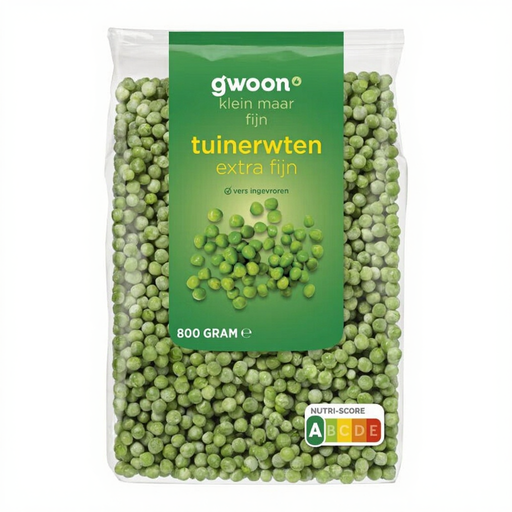
Why it suits this profile: A simple product for mash with vegetables, soup, pasta or as a side dish. The ingredients list contains garden peas only.
The ingredients are straightforward, and the nutritional information provided says there’s no added sugar. Still, check the current pack.
800g, one main ingredient and, according to the product information, free from the 14 major EU allergens.
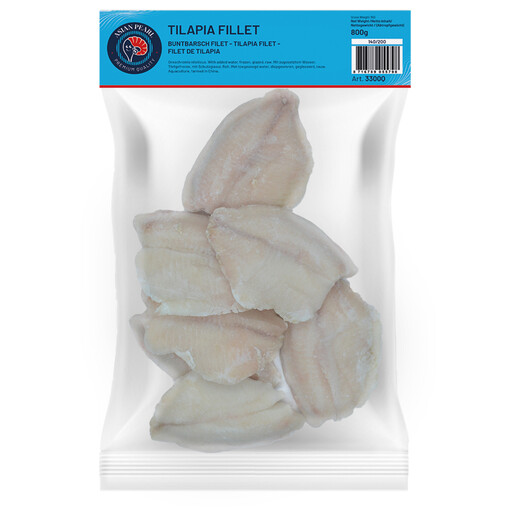
Why it suits this profile: A good choice if you’re looking for a mild fish that works well in oven-baked dishes, curries, stir-fries or pan-fried recipes.
The product page gives storage instructions, identifies fish as an allergen and says the product must not be refrozen after defrosting.
800g of fish fillet that works in a range of cuisines. Prepare it according to the label and check the current information about its origin.
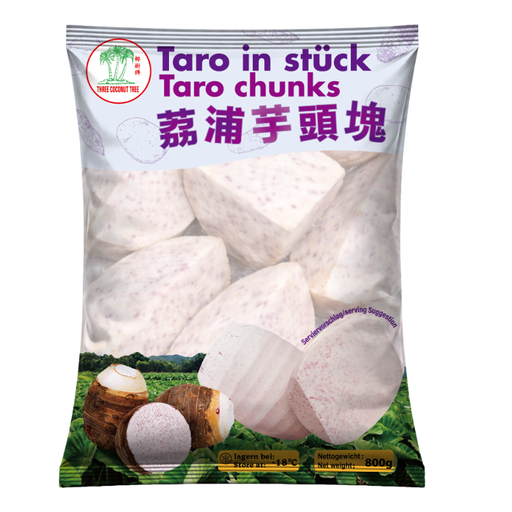
Why it suits this profile: A practical choice for Asian dishes, soups, stews and recipes where taro takes centre stage.
The product information makes it clear: don’t eat raw, don’t defrost, and cook thoroughly before serving.
100% taro, 800g, and suitable for boiling, steaming or adding to soup. According to the information provided, it contains no allergens.
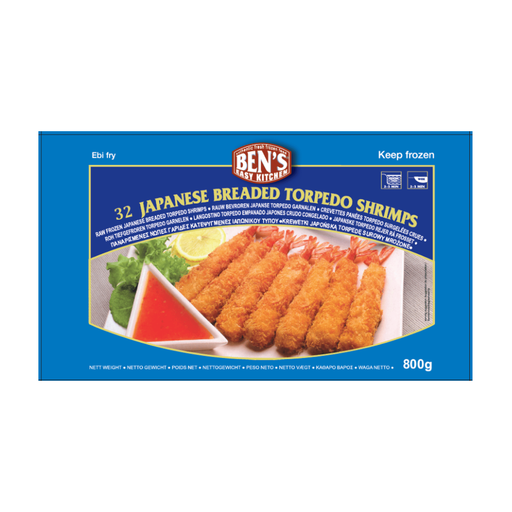
Why it suits this profile: Handy for a quick meal, a snack to share or a Japanese-style meal with rice and vegetables.
The ingredients list clearly identifies crustaceans and wheat. This lets you check for allergens in advance instead of relying on the product name alone.
Breaded prawns in an 800g pack, with nutritional information per 100g and clear storage instructions.
If you’re ordering Asian frozen products or African ingredients, a few basic items can help you put together several meals. Taro, for example, works well in broths and stews. Tilapia can be paired with rice, vegetables and a spicy sauce. For West African recipes, Ghana Fresh Palm Nut Cream can be used as a base for soup or sauce. It’s an ambient product, not a frozen one, so store it according to the label.
When putting together your basket, compare the total price per 100g too. A single pack isn’t always cheaper than a multipack, while a multipack will take up more room in your freezer.
We’ve put together a complete, up-to-date list of products that meet these strict selection criteria and the applicable European safety requirements.
Shelf life varies by product and is shown on the pack. Store frozen products at the stated temperature, generally –18 °C or below. Keep the freezer closed as much as possible and follow the instructions after defrosting.
It depends on the price per 100g, the type of product and how much you use. A bulk pack is especially practical if you use the same ingredient regularly. If you only use it occasionally, a smaller pack can help prevent waste.
Check the type of product, net weight, origin, allergens and cooking instructions. For 800g packs of frozen meat and fish products, it’s also important to cook the product thoroughly and not refreeze it once it has defrosted.
