What should you look for when choosing?
Start by considering the brewing methods used in your office, then decide whether manual grinding is practical for the number of users. Next, compare the capacity per portion, operation and cleaning requirements of the exact model.
| What to consider |
What to look for |
Who is this important for? |
| Small portions |
Compare the stated bean and grounds capacities with the portion you need. Also check how you add the beans and transfer the grounds. |
If I need a small amount for each brew, I want to be able to grind it separately. Around 33% of consumers say small portions are their main purchasing concern. |
| Disruption in the office |
Manual grinding takes effort; an electric grinder does the work for you. If necessary, ask for a demonstration in a similar space and see how many times it is used in succession. |
In a shared workspace, I want to be considerate of colleagues while grinding. Minimising disruption is the main purchasing concern for around 27% of consumers. |
| Grind range |
Make a note of the brewing methods your colleagues use and check the grind range of the exact model. Being suitable for filter coffee does not automatically mean a grinder is also suitable for espresso. |
If we use different brewing methods, I want the settings to suit them. For around 20% of consumers, having the right setting for their brewing method is the top priority. |
| Cleaning and handover |
Check the manual for cleaning and disassembly instructions, and confirm which parts are included with the model. Agree who will clean the grinder. |
When sharing a grinder, I want cleaning and handover to be practical. Around 20% of consumers say easy shared maintenance is their main purchasing concern. |
There are no directly comparable noise measurements for the hand and electric grinders mentioned here. So don’t choose based on an unsubstantiated noise ranking. For electric models, it is worth checking that the specific offer has the correct power specifications for the Netherlands and bears the CE marking; the NVWA states that CE marking is mandatory for electrical products.
Products at Joybuy
This selection includes hand grinders with different grind settings and electric grinders for consecutive use. For each model, check that the grinding mechanism, settings and electrical specifications suit your office.
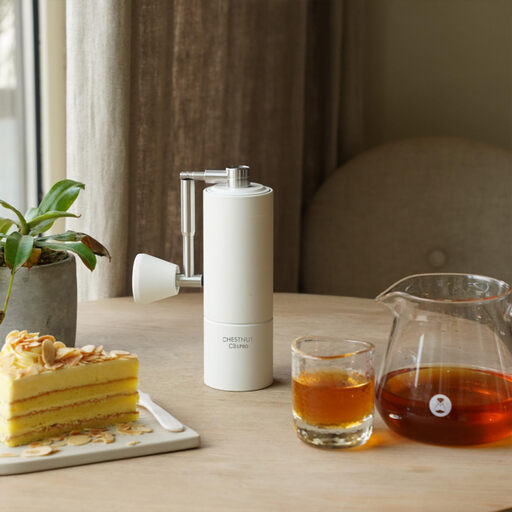 Image unavailable
TIMEMORE Chestnut C3S PRO S2C (White)
A hand grinder for anyone who wants to grind individual portions manually.
Conical S2C stainless steel burr, 25 g bean hopper, foldable handle and grind range from espresso to French press.
View at Joybuy
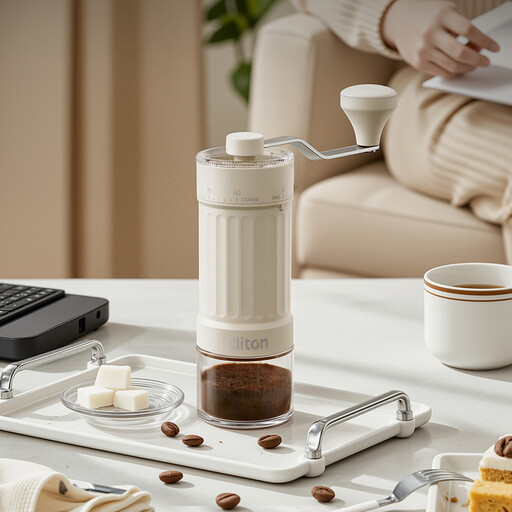 Image unavailable
Cliton manual coffee grinder (White)
A hand grinder to compare if manual grinding suits the way your office works.
Before buying, check whether the exact model has burrs; the product name alone does not make the grinding mechanism clear.
View at Joybuy
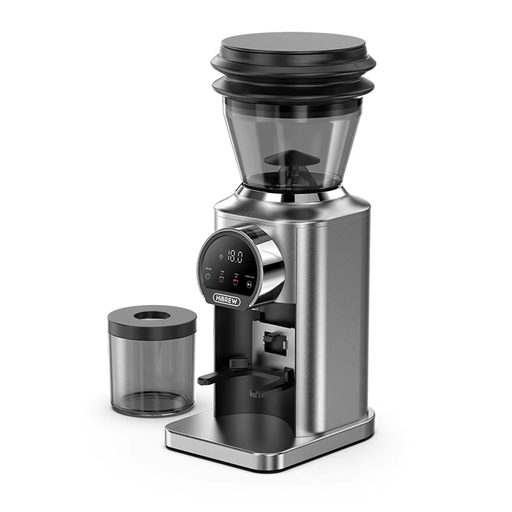 Image unavailable
HiBREW G3 Plus
An electric grinder to compare if several colleagues need to grind one after another.
The product name lists a titanium-coated stainless steel burr, 31 grind settings, adjustable grinding time, touchscreen, anti-static system and portafilter holder. Check the power specifications and CE marking of the specific model.
View at Joybuy
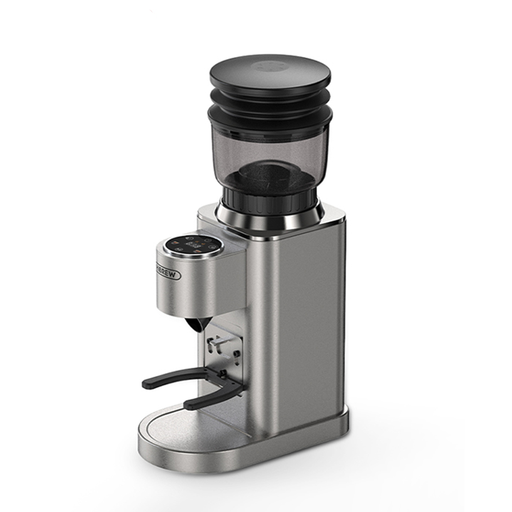 Image unavailable
HiBREW G7
An electric grinder to compare if colleagues need a portafilter holder.
The product name lists a conical stainless steel burr, 48 grind settings, a removable holder, a portafilter holder and anti-static technology. Check the power specifications and CE marking of the specific model.
View at Joybuy
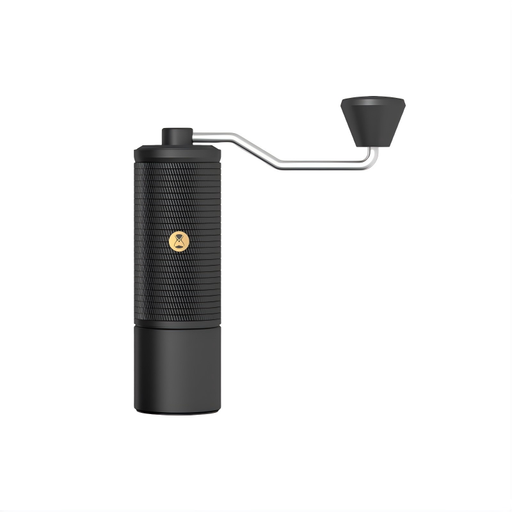 Image unavailable
TIMEMORE C5 ESP Pro
A manual grinder to compare if colleagues want to grind by hand and need espresso settings.
Check the capacity and grind range of the exact model to make sure they suit the portions and brewing methods you have in mind.
View at Joybuy
Frequently asked questions
Can I use any burr grinder to grind espresso?
No, it depends on the model. Fellow states that the Ode Gen 2 is not suitable for espresso, while Baratza lists a separate espresso setting range for the Dutch Encore ESP. Check the exact model and the brewing methods used in your office.
How do you clean a hand grinder when colleagues use different beans?
Follow the manual for the exact grinder. The 1Zpresso Q Series manual warns against washing or immersing the grinder; 1Zpresso states that the Q Air can be disassembled without tools.
Does a home grinder’s manufacturer’s warranty automatically cover office use?
Don’t assume it does. Baratza states that products covered by its commercial manufacturer’s warranty are intended solely for private domestic, non-commercial use. Before making a business purchase, ask which terms apply to your intended use. A business purchase is not automatically covered by the same consumer rules as a personal purchase.
What rules apply to electric coffee grinders in the Netherlands?
The NVWA states that CE marking is mandatory for electrical products. This is a legal product requirement, but it does not by itself prove that a specific offer is suitable for your office. Also check the power specifications of the model; Baratza lists 220–240 VAC for the Dutch Encore ESP.
What are my rights if I buy a coffee grinder online as a consumer?
According to the Dutch government, consumers generally have 14 days to change their mind when buying online from a business. In the Netherlands, statutory guarantee applies to products that are fit for purpose, with no fixed statutory guarantee period; if a product is faulty, the seller is your point of contact. Don’t assume these consumer rules apply if your employer buys the grinder.


