What should you look for when choosing?
Start by considering how often you switch between regular beans and decaf, and what cleaning routine is practical. Then weigh up noise, brewing methods and maintenance against how much time colleagues want to spend dosing and grinding.
| What to consider |
What to look for when buying |
Who is this important for? |
| Switching between decaf and regular beans |
Check whether you can fill the grinder for each dose and how to clean the chute and grinding chamber according to the instructions. |
If both types use the same grinder, I want to minimise carry-over between brews; around 36% of consumers give switching between beans their highest priority. |
| Noise during office hours |
Compare noise while grinding under similar conditions, and consider where and when the grinder will be used. |
When conversation or focused work matters, I want to avoid disturbing colleagues unnecessarily; around 29% of consumers prioritise a quiet workspace. |
| Grind size for your brewing method |
Work out whether you make espresso, filter coffee or both, and check the adjustment range of the exact model. |
If we use different brewing methods, I want to be able to find and reset a suitable setting for each one; around 21% of consumers give this versatility their highest priority. |
| Maintenance and shared use |
Check how to access the burrs and grounds container, and agree who will dose, reset the settings and clean the grinder. |
When lots of colleagues use the same grinder, I want maintenance and settings to be easy to hand over; around 14% of consumers prioritise straightforward management. |
Joybuy products
These Joybuy products are manual burr grinders for anyone making only a few cups and wanting to avoid motor noise; bear in mind that manual grinding takes effort.
 No image available
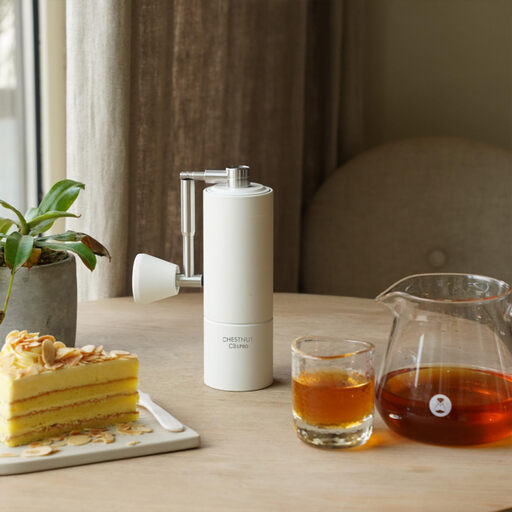
TIMEMORE Chestnut C3S PRO, white
Manual grinding may suit you if avoiding motor noise matters more than quickly making several cups in a row.
The product information lists 38 mm S2C conical burrs, around 36 grind settings and a bean capacity of 25 g. It also mentions a folding handle and adjustable grind size from espresso to French press.
View at Joybuy
 No image available
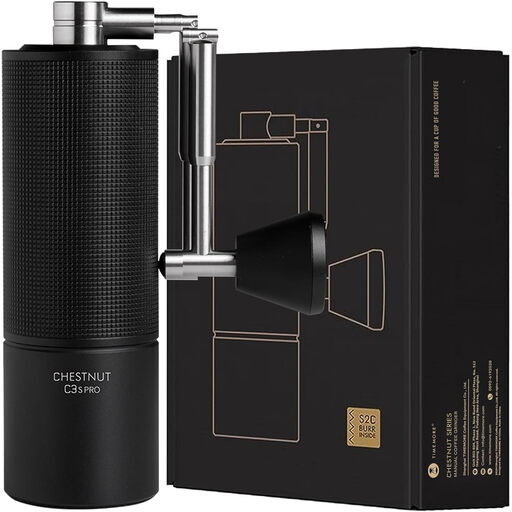
TIMEMORE Chestnut C3S Pro All-Metal, black
This manual grinder is an option if you only grind a few cups and avoiding motor noise matters more than the convenience of making larger quantities.
The product name lists a 25 g bean capacity and a folding handle. The description mentions conical burrs and an adjustable grind size from espresso to French press.
View at Joybuy
Frequently asked questions
Is decaf from a cleaned shared grinder guaranteed to be caffeine-free?
No. According to Voedingscentrum, decaf contains an average of around 3 mg of caffeine per 125 ml cup. A cleaning routine can reduce residue from regular coffee, but the grinders described here don’t prove that the next cup will be caffeine-free.
How can colleagues keep the grinder ready to use when switching beans?
Dose for each brew, empty the grounds container and follow the instructions for the exact model. The Eureka Zero series manual, for example, warns against getting water or steam into the appliance; don’t automatically apply this model-specific instruction to other grinders.
Does consumer protection also apply when the office buys the grinder?
Not automatically. ACM ConsuWijzer distinguishes between use that is mainly private and a purchase used mainly or solely for business; in the latter case, consumer protection doesn’t apply. Before placing a business order, check the contractual warranty, repair options and availability of spare parts.
What should you check when choosing an electric grinder for use in the Netherlands?
Check the rating plate and mains voltage for the exact version. According to Ondernemersplein, electrical appliances placed on the market must meet the applicable European safety requirements; this general information doesn’t confirm that an individual product is compliant.


