
Parents looking for a simple breakfast cereal
If you’d like to offer an alternative to bread now and then, look for wholegrain breakfast cereals with no added sugar or salt, as recommended by the Voedingscentrum for children aged 1 to 3.


A large pack of breakfast cereal makes sense for a toddler aged 1 to 3 only if it suits what you want to serve and your family will use it all. The Voedingscentrum recommends wholegrain breakfast cereals with no added sugar or salt as an alternative to bread. Check the ingredients, allergens and serving format for each product, too.
If you’d like to offer an alternative to bread now and then, look for wholegrain breakfast cereals with no added sugar or salt, as recommended by the Voedingscentrum for children aged 1 to 3.
A larger pack is a good fit if your family eats the product regularly and can store it according to the instructions once opened.
If an allergy or dietary requirement is relevant, check the information on the exact pack you’ve chosen. If the food is going to nursery or school, you’ll also need to follow that setting’s rules.
First, choose a grain and product format that suits your toddler’s breakfast. Then check that the pack size works for how often your family will use it.
| What to consider | What to check when buying | Who it matters to |
|---|---|---|
| Wholegrain base and ingredients | Check the type of grain and the ingredients list for added sugar and salt. | If I’m offering breakfast cereal as an alternative to bread, I want to choose a simple wholegrain option. This is the main consideration for an estimated 33% of consumers. |
| Preparation and texture | Compare porridge with crunchy breakfast cereals and check how the product is prepared. | On a busy morning, breakfast needs to be practical for me, and I want my toddler to be able to eat the format I serve. This routine is the deciding factor for around 27% of consumers. |
| Pack size | Check the pack contents, storage instructions and how often your family eats the product. | A large pack isn’t much use to me if there’s a lot left over once it’s been opened. Around 20% of consumers prioritise using up the whole pack. |
| Allergens and taking food with you | Read the latest allergen information and ask the nursery or school about its rules. | If allergens or rules about food brought from home are a factor, I want to know before I buy. This is the main consideration for around 20% of consumers. |
For toddlers, the Voedingscentrum specifically recommends wholegrain breakfast cereals with no added sugar or salt as an alternative to bread. A product name or attractive pack doesn’t tell you whether a particular variety fits the bill.
Compare the ingredients list and nutritional information for each product.
A larger pack won’t help if your family rarely eats the cereal or can’t store it properly once opened.
Choose a size that suits how your family eats at home, and follow the storage instructions on the pack.
If you need to avoid gluten, the name of the grain alone isn’t enough to assess a product.
Check the grains, allergen information and any gluten-free labelling on the specific pack.
The allergen information on the pack doesn’t replace a nursery or school’s rules about food brought from home.
Ask what rules apply first, then check the label on the product you’re packing.
The range includes porridge oats and crunchy Cruesli varieties; consider these as different product formats.
An option if you’re considering a warm wheat-based cereal breakfast.
The own-brand range offers several types of breakfast cereal, including porridge oats and crunchy varieties.
Worth considering for crunchy breakfast cereals and packs with individual portions.
This brand also offers baby cereal products, including Baby Cereals Multigranen 6m+.
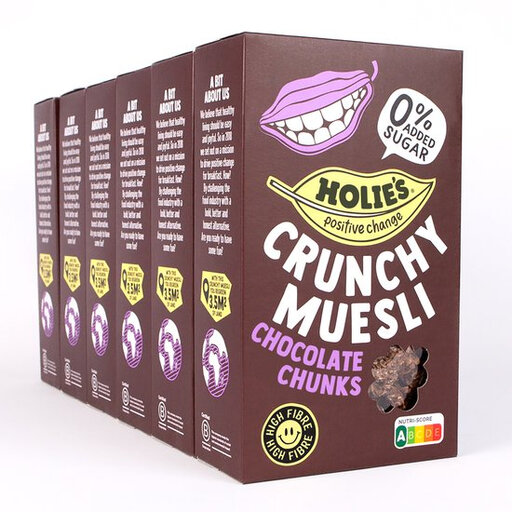
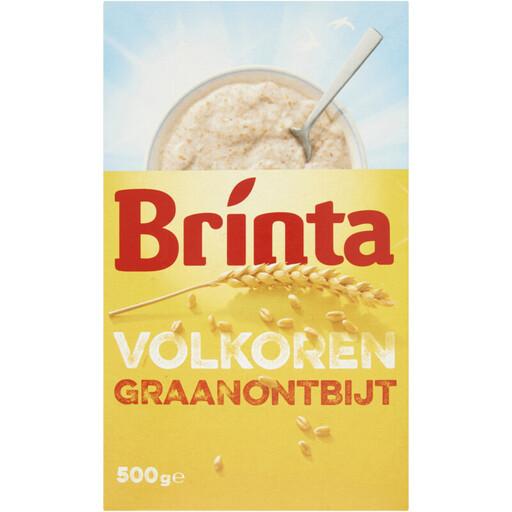
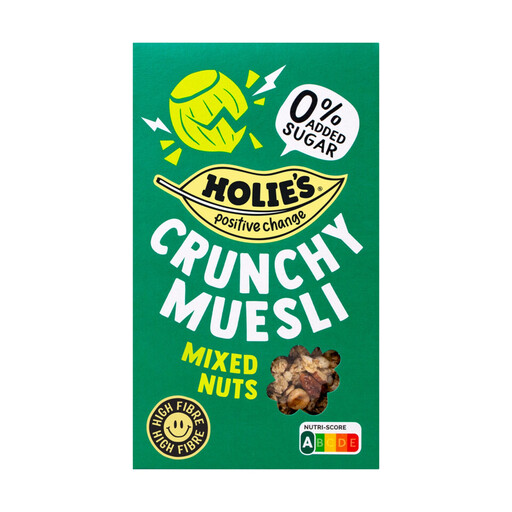
These products include two crunchy muesli varieties and one wheat cereal breakfast. Only Holie's Chocolate Chunks is listed here as a multipack. For all three, check that the ingredients, texture and pack size suit your toddler and family.
 No image available
For families who eat crunchy muesli regularly and can use six separate packs; check whether the texture is suitable for your toddler.
Multipack of 6 × 400 g. Check the latest label for oats, spelt, wheat and other allergen information.
 No image available
For anyone considering a warm wheat cereal breakfast, provided wheat and gluten aren’t a concern for the child.
500 g pack. If you’re choosing a cereal with no added salt, the salt listed in the ingredients is an important difference; check the latest label.
 No image available
For anyone considering crunchy muesli; check the nuts and hard pieces before serving this variety to a toddler.
One 400 g pack. Check the latest label for almonds, hazelnuts, pecans, Brazil nuts, spelt, wheat and other ingredients.
The Voedingscentrum recommends porridge oats, muesli and other wholegrain breakfast cereals with no added sugar or salt as an alternative to bread. Choose a format your child can eat, and check the ingredients for the specific variety.
A large pack is most useful when its contents suit your toddler’s breakfast and your family eats the product regularly. Check how to store it once opened, too, so you don’t end up with more than you need.
Yes, especially if an allergy or dietary requirement is relevant. Check the ingredients and allergen information on the pack every time you buy it. If gluten needs to be avoided, don’t rely on the name of the grain alone when it comes to oats.
If allergens are a concern for your child, take the warning into account when assessing the specific product. A statement about possible cross-contamination won’t, by itself, answer every situation; follow any dietary or medical advice you’ve been given.