
Vandaag of morgen in huis

Kwaliteit gegarandeerd

Welkomstaanbiedingen ontgrendelen: GRATIS bezorging | Tot 80% korting | Gratis 30 dagen JoyPlus-proefperiode
Download de app
Stocking up on tissues is a smart move, especially with hay fever season or the annual wave of colds on the horizon. A bulk pack of tissues seems like a logical choice to save money. However, it's easy to fall into the trap of deals that look better than they are. Before you buy tissues in bulk, it's helpful to know what to look for.
As a Product Recommendation Officer at Joybuy, I see a lot of products come and go. I'm here to help you see through the marketing jargon and make a choice that suits your household. These are the most common pitfalls:
To avoid a bad purchase, you can focus on a few concrete specifications. These determine the quality and the final cost of your paper handkerchiefs.
The number of paper layers per tissue is one of the most important indicators of quality.
Most tissues are made from 100% virgin wood pulp. This material is known for its softness and purity. Some brands use bamboo pulp, which can be a more sustainable alternative. The softness is further influenced by how the paper is processed, for example, with embossing. This can not only make the tissue feel softer but also make it stronger.
Don't be misled by the price per box or per pack. The smartest way to evaluate tissues on sale is to calculate the price per 100 sheets. The formula is simple:
(Total Price / Total Number of Sheets) * 100 = Price Per 100 Sheets
This allows you to fairly compare a bulk pack of tissues with 3600 sheets to a smaller pack of 400 sheets.
To help you get started, we've highlighted a few options that suit different needs and budgets.
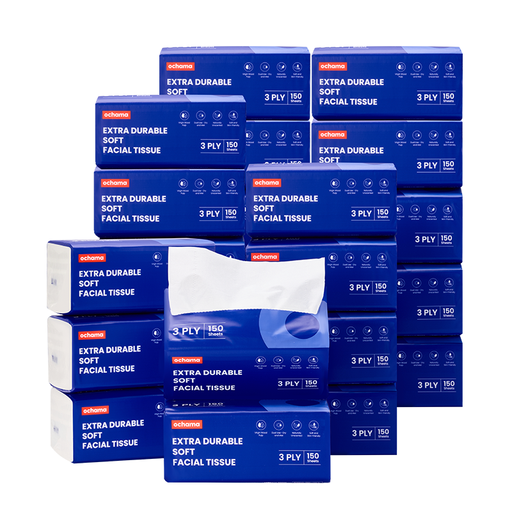
Why it's a great fit: With 24 packs and a total of 3600 sheets, this is an excellent choice for families looking to stock up. You won't have to run to the store for a while.
This pack focuses on the total quantity, making the price per sheet very low. The 3-ply structure prevents the disappointment of paper that's too thin.
A huge quantity (3600 sheets) for long-term use and great value for money thanks to its 3-ply thickness.
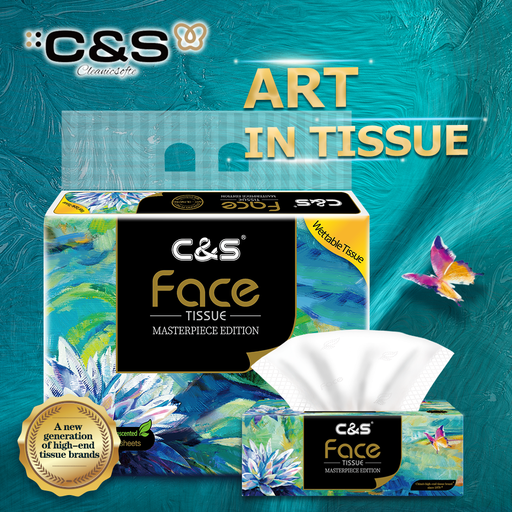
Why it's a great fit: If softness and strength are your priority, for instance, due to allergies or sensitive skin, these 4-ply tissues are a great solution. They are made from 100% virgin wood pulp and are fragrance-free.
This product doesn't compromise on quality. The focus is on comfort with a 4-ply structure, helping you avoid the trap of rough, thin paper.
The 4-ply thickness offers noticeably more softness and durability, which helps prevent a sore nose. The packaging with its oil-painting design won't look out of place in your home.
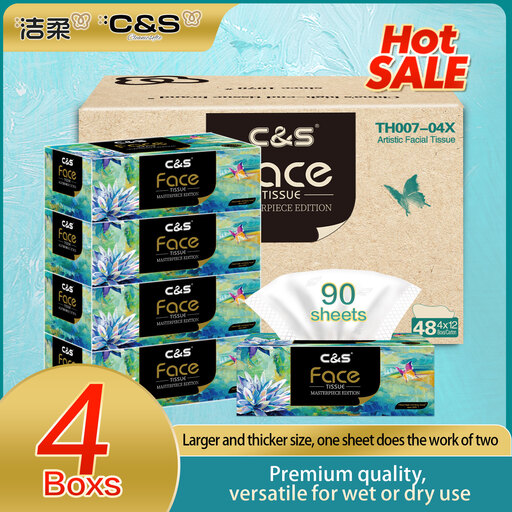
Why it's a great fit: These compact cube boxes feature a neutral and modern design. They fit perfectly on a desk, nightstand, or in the living room without drawing attention.
This product proves that a beautiful tissue box doesn't have to come at the expense of quality. With 4 plies, you get a premium product in a stylish package.
Combines a compact, stylish design with the luxury of 4-ply tissues. The sturdy cardboard box protects the tissues from dust and moisture.
We've compiled a complete, up-to-date list of products that meet these selection criteria.
The main difference is thickness and comfort. 3-ply tissues are an all-rounder: strong enough for daily use and reasonably soft. 4-ply tissues offer a noticeably higher level of softness and absorbency. They are a great choice if you blow your nose frequently, as they are less likely to irritate the skin.
Both materials have their advantages. Tissues made from 100% virgin wood pulp are known for their consistent softness and strength. Bamboo is a fast-growing grass and is often seen as a more sustainable raw material. Tissues made from bamboo pulp are typically strong and hypoallergenic. The choice depends on your personal preference for softness and sustainability.
Ignore the price per box and look at the total number of sheets. Use the formula: (Total Price / Total Number of Sheets) * 100. This gives you the price per 100 sheets, a fair metric for comparing different packages and deals. This way, you can be sure you're getting a good deal.
