
Regular stock-up shoppers
You use dried fruit on different occasions and want to choose a pack that suits how much you get through, without ending up with unused stock.


A larger pack is best if you use dried fruit regularly and expect to finish it. For an occasional snack, a smaller or resealable pack may be more practical. Compare the pack size, ingredients and storage instructions for the variety you choose, and decide in advance how much you want to serve.
You use dried fruit on different occasions and want to choose a pack that suits how much you get through, without ending up with unused stock.
You check ingredients and allergens, and would rather decide in advance how much to serve for your TV night than base your choice on pack size alone.
You eat dried fruit now and then and are looking for an amount or pack size that suits how often you use it.
First choose an amount you’re likely to get through, then check the ingredients, portion size and storage instructions. That way, you can compare packs based on what matters for how you’ll use them.
Best for: regular use, when you expect to finish the pack.
Bear in mind: you’ll have more in stock and need to follow the storage advice once opened.
Best for: occasional snacking or trying a type of fruit for the first time.
Bear in mind: with a smaller pack, you may need to buy another one more often.
Best for: anyone who likes a bit of variety and wants to close the pack between uses.
Bear in mind: check exactly what’s in the mix. A resealable pack doesn’t automatically mean its contents will keep for longer.
The World Cancer Research Fund advises eating no more than 20 g of dried fruit a day. This is general dietary advice, not a legal purchase limit or personalised dietary advice. A bulk pack is intended for several occasions; the amount in the bag doesn’t determine how much you serve at a time.
| Consideration | What should you check? | Who might this matter more to? |
|---|---|---|
| Value of a larger pack | Compare the pack size with how much you expect to use and how long you’ll keep the pack once opened. | I want a larger pack to suit how much I get through; around 36% of consumers prioritise getting good value from the amount they use. |
| Ingredients and portion size | Read the ingredients and allergen information for your chosen variety, and decide on a portion in advance. | I want to know what’s in my snack and how much I’m setting out; around 29% of consumers prioritise ingredients and portion size. |
| Storing your supply | Follow the storage advice once opened and choose a bag size that suits how often you use the product. | I want to avoid leaving an open bag for too long; around 21% of consumers focus mainly on managing their supplies. |
| Convenience and variety | Check the types of fruit, the exact ingredients and whether the pack is resealable. | I want something that’s easy to close between uses or offers a bit of variety; around 14% of consumers prioritise convenience and variety. |
A pack with more in it also means you need to use more. A larger bag is only the right choice if you expect to finish it.
First choose the type and amount of fruit that suit how much you use, then compare packs of the same type.
The amount in the bag is for several occasions and doesn’t have to match what you want to serve in one evening.
Set out a portion in advance and put the rest away. The World Cancer Research Fund advises eating no more than 20 g of dried fruit a day; this is general dietary advice, not personalised dietary advice.
Ingredients can vary between mixes, and some may also contain nuts. The general product name doesn’t tell you which ingredients or allergens are included.
Check the current packaging for the specific variety rather than assuming you know what’s in it from the product category.
According to the Netherlands Nutrition Centre, the best-before date applies while the pack is unopened. Once it’s open, follow the storage advice for opened packs.
Read the storage instructions for after opening. The Netherlands Nutrition Centre says opened raisins can be kept in a kitchen cupboard for 6–9 months; don’t automatically apply this timeframe to other types or mixes.
An option for browsing dried fruit as part of your regular shop.
Worth a look if you want to compare pack sizes within its sultana range.
A supermarket option for browsing dried fruit or a fruit mix.
Worth considering if you’re looking for raisins or a resealable mix.
An option if you’re looking for an organic raisin variety at one of the supermarkets listed.
A handy way to browse different types of dried fruit as part of the same shop.
The products below range from smaller packs of dried fruit to a snack bundle. Check the ingredients, allergens and storage instructions for each variety.
 No image available
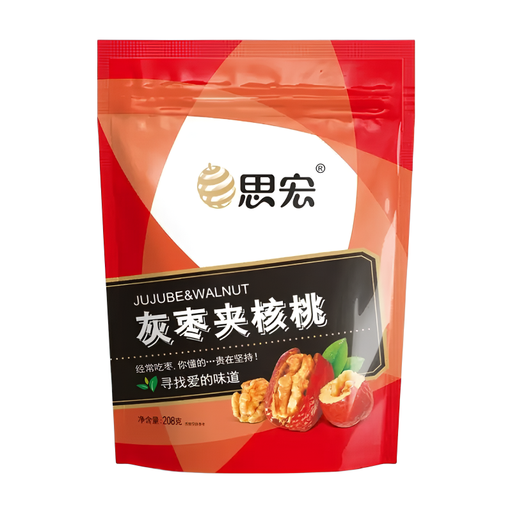
A smaller pack of dried dates with walnut kernels, for anyone looking for this combination as a snack.
Net weight: 208 g. Ingredients: grey dates and walnut kernels. Contains walnuts.
 No image available
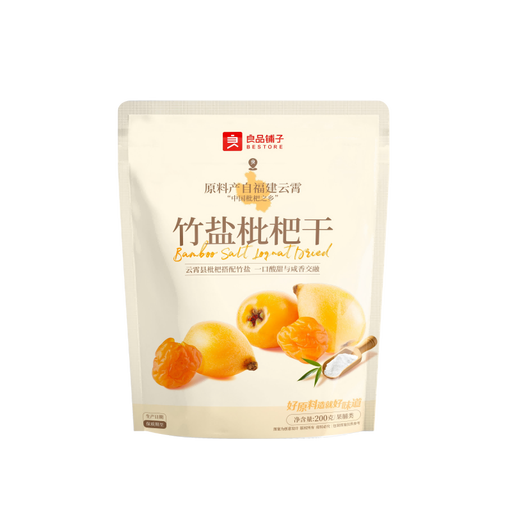
A ready-to-eat dried loquat variety in a 200 g pack.
The product description lists at least 70% loquat, as well as white sugar, syrup and glucose powder. Sulphites are listed.
 No image available
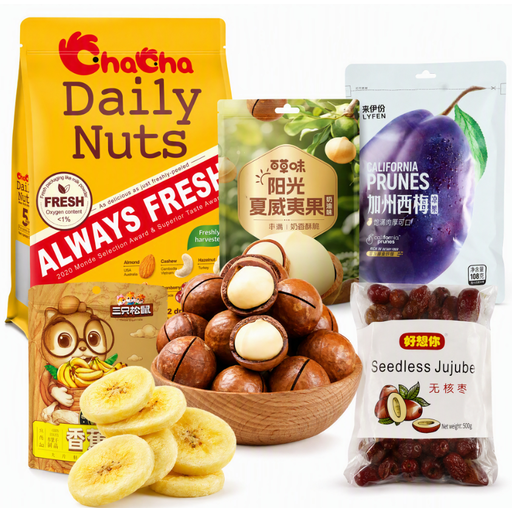
A bundle of five snack products for anyone who wants to enjoy a mix of snacks.
Net weight: 1.073 kg. The bundle contains dried fruit and nuts. According to the product description, the bundle should be refrigerated after opening and consumed within one day.
The ingredients list sugar in the banana chips and cranberries. Contains tree nuts; the prunes contain aspartame.
 No image available
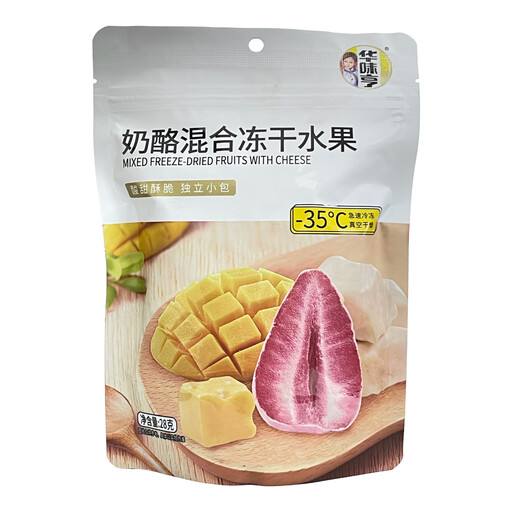
This small pack contains freeze-dried strawberries and mango with a white chocolate and cheese coating.
Pack size: 28 g. The ingredients list includes soya and milk.
The stated best-before date is 24 September 2026 and has now passed. Do not buy or consume the product based on this product listing.
The World Cancer Research Fund advises eating no more than 20 g of dried fruit a day. This is general dietary advice, not a legal limit or personalised dietary advice; the contents of a bulk pack are intended for several occasions.
The Netherlands Nutrition Centre says opened raisins can be kept in a kitchen cupboard for 6–9 months. Follow the storage instructions on your pack too, and don’t automatically apply this general timeframe to other dried fruit or mixes.
Not necessarily: according to the Netherlands Nutrition Centre, a best-before date relates to quality, so you can look at, smell and taste the product. A use-by date relates to safety; don’t use a product after that date. The date shown applies to an unopened pack, so once it’s open, follow the separate storage advice.
The Netherlands Food and Consumer Product Safety Authority requires relevant allergens to be clearly and correctly listed on the label. If you have an allergy, read the current packaging for the specific variety; a category description doesn’t confirm what’s in a particular product.
No. The name ‘fruit mix’ doesn’t tell you whether sugar has been added. Check the ingredients for the variety you choose; the Netherlands Nutrition Centre says dried fruit with added sugar isn’t included in the Wheel of Five.