
Vandaag of morgen in huis

Kwaliteit gegarandeerd

Welkomstaanbiedingen ontgrendelen: GRATIS bezorging | Tot 80% korting | Gratis 30 dagen JoyPlus-proefperiode
Download de app
A bulk pack of instant noodles might seem like a quick choice: pick a box, compare the price, and add it to your basket. Yet large packs can sometimes disappoint. The flavour might not suit everyone, the portions could be smaller than expected, or the shelf life might be shorter than you thought.
With this practical buying guide, you can compare Asian instant noodles based on portion size, flavour, preparation method, allergens, and packaging type. That way, you’ll find a noodle multipack for home, students, the office, catering, or your store cupboard – without being swayed by marketing copy alone.
A box of 30 packs sounds like great value, but the content per portion varies a lot. A 60 g pack isn’t directly comparable to a 130 g pack. So, work out the price per 100 grams rather than just the price per box.
Also, pay attention to the total net weight. For example, a box with 30 portions of 79 g contains 2.37 kg, whereas a box with 20 portions of 120 g contains 2.4 kg. The difference in the number of packets doesn’t tell the whole story.
Korean ramen and spicy ramen are often lumped together as one category. In reality, they differ quite clearly:
So, check whether you’re after a dry sauce, a soup base, a sour tom yum taste, or a mild broth.
Instant noodles often contain wheat and gluten, but also soya, milk, sesame, fish, shellfish, or peanuts. The allergens vary by product and sometimes even by flavour variant. Always read the label on the packaging you receive.
The preparation method also differs. Some cup noodles are ready after about four minutes with boiling water. Other varieties need to be boiled, drained, and stir-fried with sauce. That makes a difference if you’re using noodles at the office, in a student room, or in a professional kitchen.
For a household or office, a bulk pack is especially practical when each portion is clearly defined. Many products in this range contain between 79 and 130 grams per pack. When comparing, make a note of:
A box of 40 packs at 130 grams each, for example, is aimed at long-term storage or heavy use. A multipack of five packs is more convenient if you want to try a flavour first without committing to a whole box.
Choose the packaging based on how you’ll use it:
Check the amount of water needed. Examples in the range use roughly 400 to 550 ml, depending on the preparation method.
Compare the nutritional information per 100 grams and per portion. The values given in the product details vary; some products contain around 420 to 480 kcal per 100 grams. The salt content also differs significantly.
A high salt level isn’t automatically a reason to rule out a product, but it’s relevant information if you’re eating them regularly. You can use only part of the seasoning mix or add fresh vegetables to the meal. Always follow the preparation and allergen information on the packaging.
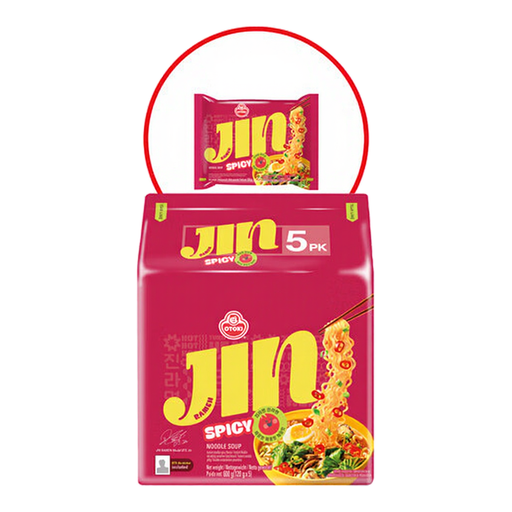
Why this fits the profile: With five packs of 120 grams, you can try Korean ramen without buying a large box straight away. The spicy flavour suits fans of a clearly seasoned, aromatic broth.
The multipack makes it easier to assess portion size and flavour in practice before you buy instant noodles in bulk.
Five individual portions of 120 g; prepared with a soup base and dried vegetables. Contains wheat and soya.
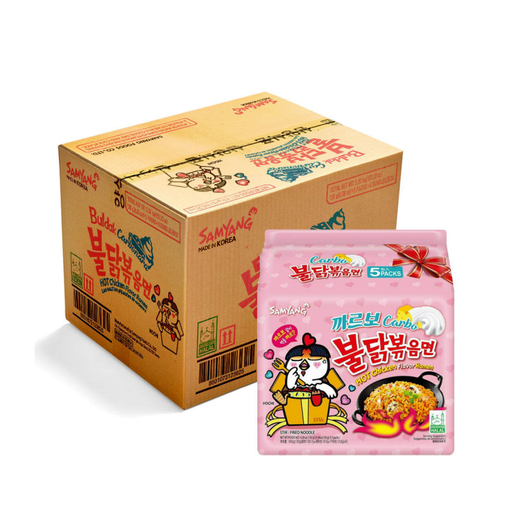
Why this fits the profile: This bulk pack is designed for fans of creamy, spicy Korean ramen who want to buy the same flavour more often.
The weight per pack and the total number of packs are clearly stated. So you know exactly what you’re buying per portion and per box.
40 packs of 130 g; combination of sauce and seasoning sachets; preparation involves draining and a short stir-fry.
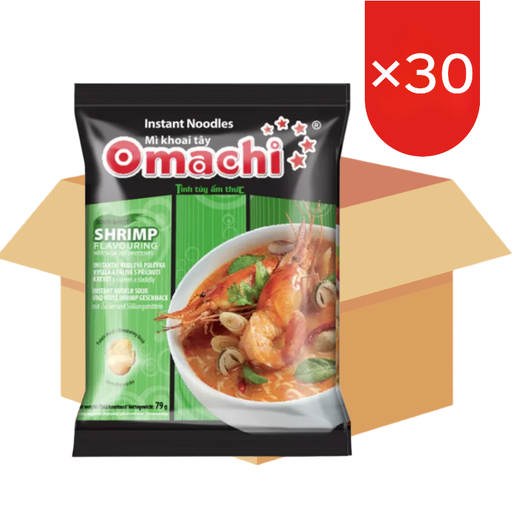
Why this fits the profile: The box of 30 individual portions is ideal for canteens, offices, shops, and households that regularly need a quick meal.
The individual portions prevent an opened bulk pack from being exposed to moisture too quickly. Do check the date and storage conditions on arrival.
30 packs of 79 g; prepared with approximately 400 ml of boiling water; prawn flavour and potato-based noodles according to the product description.
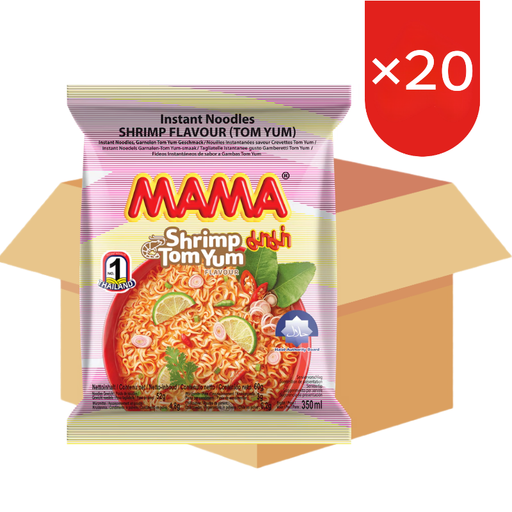
Why this fits the profile: An accessible choice for anyone wanting to try Thai noodles with a tom yum profile, in a manageable box of 20 portions.
The product information lists both portion size and preparation time, so you can match your stock to your actual usage.
20 packs of 90 g; ready in about three minutes; contains, among other things, wheat, soya, milk, and shellfish.
We’ve put together a full, up-to-date list of products that fully meet these strict selection criteria and comply with current European safety regulations.
The best-before date varies by product and is printed on the packaging. Store the boxes in a cool, dry place away from direct sunlight. Check the date on arrival, especially if you plan to store an instant noodle box for a longer period. Don’t use any packaging that is damaged.
It can be, but compare the price per 100 grams and the total content. A multipack with more packets doesn’t always mean more product. Also, consider waste if a flavour doesn’t suit your household or customers.
Prepare each portion according to the label. Some varieties require about 400 ml of boiling water and a few minutes’ wait. Others, such as certain Korean ramen, need to be boiled in a pan and then mixed with sauce or seasoning. Only add extra ingredients if you can still properly control the preparation and allergens.
