
Vandaag of morgen in huis

Kwaliteit gegarandeerd

Welkomstaanbiedingen ontgrendelen: GRATIS bezorging | Tot 80% korting | Gratis 30 dagen JoyPlus-proefperiode
Download de app
A new built-in oven is a significant upgrade for your kitchen. However, the range of options is overwhelming, and marketing promises don't make the choice any easier. Many people overpay for features they don't use or discover after a few months that their oven isn't as practical as they thought. As a Product Recommendation Officer at Joybuy, I'll help you cut through the noise, so you can make an informed decision that suits your cooking style and budget.
Before we dive into specifications, it's important to recognise the common pitfalls. Much of the marketing is focused on selling pricey extras, but are they worth the money?
oven with Wi-Fi sounds modern, but in practice, many people rarely use the app. Ask yourself: will you really preheat the oven from the supermarket? Sometimes you're paying extra for a gimmicky feature that adds little value to your daily life.self-cleaning oven is used for various technologies. An oven with pyrolytic cleaning provides a genuinely deep clean, but a model with hydrolytic (steam) or catalytic liners still requires manual scrubbing. You might be disappointed if you expect full automation but don't get it.To find the right built-in oven, it's crucial to understand a few technical features. These determine the ease of use, cooking results, and maintenance.
Cleaning the oven is nobody's favourite chore. The technology you choose has a major impact on the amount of work you'll have to do yourself.
Bosch built-in oven models, have walls with a special coating that absorbs and breaks down grease splatters during cooking. This helps keep the oven cleaner but doesn't clean the floor or the door. The effectiveness can diminish over time.A modern oven can do much more than just heat up. The right functions can significantly enhance your cooking enjoyment and capabilities.
built-in convection oven with an advanced fan system distributes heat very evenly throughout the entire oven cavity. This allows you to bake on multiple levels simultaneously without flavours mixing and with consistent results. Brands like Siemens built-in oven and Bosch are known for this.Based on functionality, ease of use, and design, we have selected a few models that suit different user profiles.
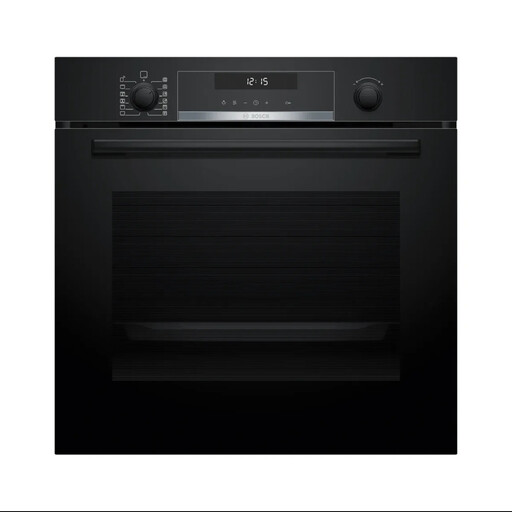
Why This Fits Their Persona: For those who prioritise efficiency and convenience. The automatic programs (Auto Pilot 30) take the guesswork out of cooking, and the Home Connect app offers practical benefits, like controlling the oven remotely. The sleek, black finish fits perfectly into a modern kitchen.
This model avoids the 'self-cleaning myth' with a full-fledged pyrolytic function that truly cleans the oven. The 'smart' features here are not a gimmick but a practical tool for a busy life.
Pyrolytic cleaning for maximum convenience and 30 automatic programs that simplify cooking. The addition of the Air Fry function makes a separate appliance redundant.
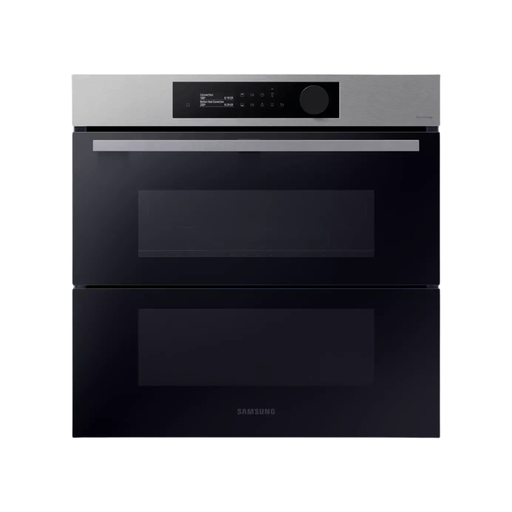
Why This Fits Their Persona: For the adventurous cook who loves to experiment. With features like Dual Cook Flex (two dishes at different temperatures), Add Steam, and even Air Sous Vide, this oven offers the versatility of a professional kitchen. The large 76-litre capacity is ideal for dinner parties.
This is not an oven with superfluous extras. Every feature, from steam to sous-vide, offers a tangible culinary benefit that a passionate cook will actually use. You're not paying for gimmicks, but for pure functionality.
Dual Cook Flex technology for maximum flexibility. Advanced cooking methods like Air Sous Vide and Add Steam. Also equipped with an effective pyrolytic cleaning function.
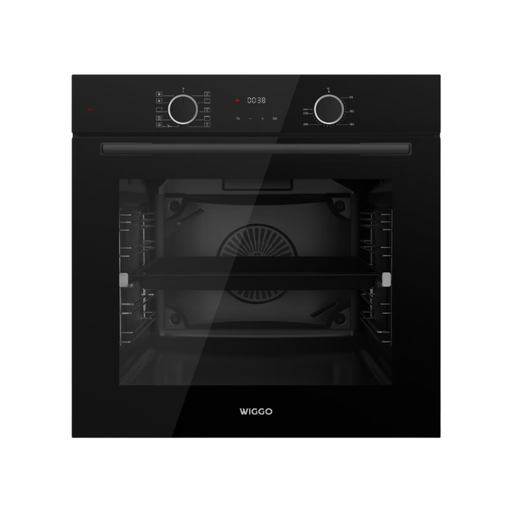
Why This Fits Their Persona: For those seeking a reliable, functional oven without paying a premium. This model offers the most-used functions, including convection, grill, and even a popular Air Fryer function. The control knobs are simple and intuitive.
This oven focuses on the essentials, avoiding the trap of expensive, unused 'smart' features. You get a modern function like Air Fry, but without the complexity and cost of a Wi-Fi connection or advanced steam options.
Offers 10 cooking functions including the sought-after FryArt (Air Fry) feature. It has a favorable A energy rating and comes with a complete set of accessories, including an air fryer tray.
We've compiled a complete, up-to-date list of products that fully meet these strict selection criteria and EU safety regulations.
A conventional oven uses static heat from top and bottom heating elements. This is ideal for things like cakes that need to rise. A convection oven has a fan that circulates the hot air throughout the oven cavity. This ensures faster and more even cooking, allowing you to bake on multiple levels at once. Most modern built-in ovens are convection ovens, often with the option to turn the fan off.
A pyrolytic cleaning cycle consumes significantly more power than a normal cooking session. The exact consumption varies by model but is typically between 3.5 and 4.8 kWh per cycle. While this is an energy investment, it saves you time and the use of chemical cleaning agents. Since you won't be running this process weekly, the annual extra costs are manageable for most households. When purchasing, look for the energy label (A+ or higher) for efficient consumption during regular cooking.
Installing a built-in oven requires basic electrical and DIY knowledge. If you have measured the niche dimensions correctly and the oven fits, it's often a matter of sliding the oven into the niche, screwing it in place, and plugging it in (if a plug is provided). However, many ovens come with a special plug (like a Perilex) or must be hardwired to a dedicated circuit. If you are unsure about the electrical connection, it is always advisable to hire a certified electrician for a safe installation.
