
Vandaag of morgen in huis

Kwaliteit gegarandeerd

Welkomstaanbiedingen ontgrendelen: GRATIS bezorging | Tot 80% korting | Gratis 30 dagen JoyPlus-proefperiode
Download de app
Choosing a new built-in refrigerator often feels like a daunting puzzle. The appliance must fit seamlessly into your kitchen, operate quietly, and not consume excessive energy. Unfortunately, a few common pitfalls can turn the purchase into a disappointment. As a Product Recommendation Officer at Joybuy, I'll help you see through the marketing jargon and make the right choices based on facts.
These are the three main mistakes you want to avoid:
To avoid a bad purchase, it's crucial to focus on a few key technical specifications. These determine whether an integrated refrigerator is truly suitable for your kitchen and lifestyle.
The most important step when buying a built-in refrigerator is correctly measuring the niche dimensions. This is the opening in your kitchen cabinet where the refrigerator will be placed. You need three measurements:
Additionally, check the hinge system of your current kitchen panel. There are two systems:
The noise level of a refrigerator is expressed in decibels (dB). This is a crucial factor, especially in an open-plan kitchen. A difference of a few decibels may seem small, but every additional 3 dB means a doubling of the perceived sound.
Since 2021, refrigerators have a new energy label ranging from A (very efficient) to G (least efficient). A model with a D rating is now a very reasonable, energy-efficient choice.
However, don't just focus on the letter. The most important indicator for your wallet is the annual energy consumption in kWh. This figure, prominently displayed on the label, gives a realistic picture of the costs. Compare this number between different models to see which refrigerator is the most economical in the long run.
Installing a built-in refrigerator requires precision. Correctly aligning the doors and ensuring adequate ventilation are essential for proper operation and a long lifespan. If you're not confident, it may be wise to have the installation done by a professional. Joybuy offers an installation service for built-in refrigerators to ensure everything fits and works perfectly.
Not every refrigerator is suitable for every situation. Below are a few models that fit different user profiles, selected based on their specifications.
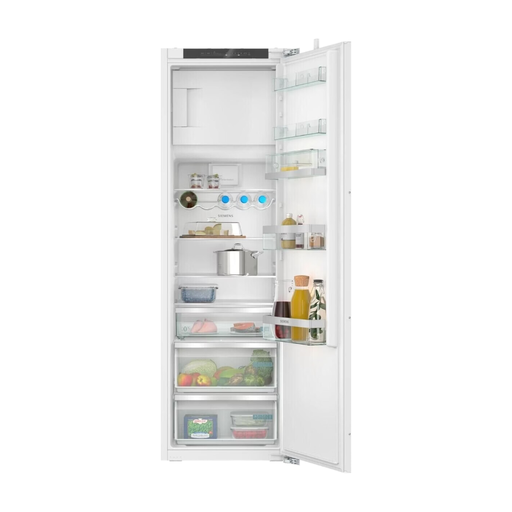
Why This Fits Their Persona: You are designing a new kitchen and looking for a model that is both quiet and functional. This Siemens integrated fridge-freezer is designed for comfort and optimal preservation of fresh produce.
With a noise level of just 34 dB, this model is extremely quiet, completely avoiding the 'humming nuisance' pitfall. Perfect for an open-plan living space.
The hyperFresh drawer keeps fruits and vegetables fresh for longer. Additionally, the model has an energy-efficient D-label and a door-on-door system for a sleek finish.
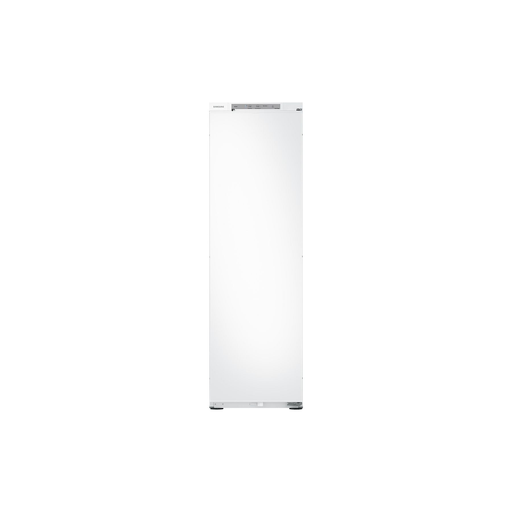
Why This Fits Their Persona: Your old built-in refrigerator is broken, and you need a reliable replacement quickly that fits the existing niche. You're looking for a practical model without too many bells and whistles.
This model has a standard niche height of 177.5 cm, a common size in many kitchens. This significantly reduces the risk of the 'niche-size nightmare'.
According to Samsung, the SpaceMax technology provides more interior space with the same external dimensions. With a total capacity of 270 litres, there is plenty of room for a family's groceries.
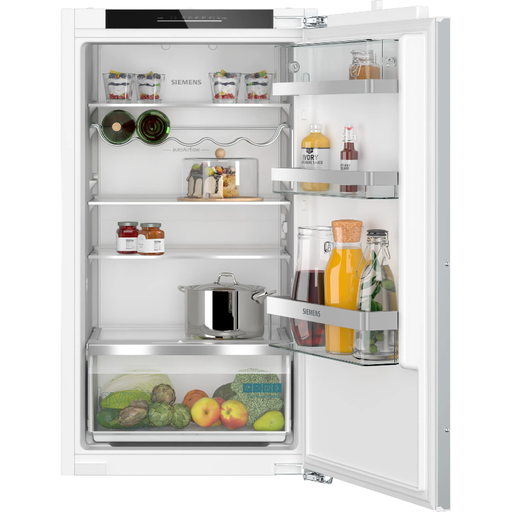
Why This Fits Their Persona: You live in an apartment or have a smaller kitchen. You're looking for a compact, efficient, and above all, quiet model that fits perfectly into a smaller niche.
This model tackles two pitfalls: at just 27 dB, it is exceptionally quiet, and with a consumption of 77 kWh/year, it is very economical, helping you avoid the trap of high energy costs.
Ideal for a niche height of 102.5 cm. The Siemens hyperFresh technology keeps your food fresh for longer, even in a compact size.
We have compiled a complete, up-to-date list of products that fully meet these strict selection criteria and local regulations.
With a sliding door system, both the refrigerator door and the kitchen panel have their own hinges. They are connected by a slider. With a door-on-door system, the kitchen panel is mounted directly onto the refrigerator door. This system is generally sturdier and provides a sleeker finish, but it is crucial to check which system your current kitchen has before buying a new refrigerator.
Measure the inside of the cabinet where the refrigerator will go. Use a tape measure and measure the height, width, and depth in several places to ensure the niche is uniform. Record the smallest measurement you take. Compare these dimensions with the niche specifications listed for the new refrigerator. Allow for a few millimetres of clearance for ventilation.
A No Frost built-in refrigerator prevents ice build-up in the freezer compartment, meaning you never have to manually defrost it. This not only saves time and effort but also ensures a more consistent temperature and more efficient energy consumption, as ice build-up reduces cooling performance. For an integrated fridge-freezer, this is a very valuable feature.
