
Vandaag of morgen in huis

Kwaliteit gegarandeerd

Welkomstaanbiedingen ontgrendelen: GRATIS bezorging | Tot 80% korting | Gratis 30 dagen JoyPlus-proefperiode
Download de app
You’ll usually buy a new built-in oven for several years. Yet many households focus mainly on the number of programmes and the appearance. This can lead to disappointment. An oven with lots of features won’t necessarily fit your kitchen, cook more efficiently or be easier to clean.
This guide will help you compare an electric built-in oven based on dimensions, capacity, features, energy rating and maintenance.
“Oven 60 cm” usually refers to the external dimensions. The exact niche dimensions can vary from one model to another. Before buying, check:
Many models are approximately 59.4 cm wide and 59.5 cm high, but the required niche width is often around 56 to 57 cm. A difference of just a few millimetres can make installation more difficult. Have the connection of a powerful model, for example one rated at around 3,400 to 3,600 watts, checked by a qualified installer.
An oven with pyrolytic cleaning heats residue to a high temperature, after which you wipe away the remaining ash. This programme can use additional energy, and accessories such as telescopic rails or certain baking trays may need to be removed.
With hydrolysis or a steam-cleaning programme, you generally place water inside the oven. The steam loosens light dirt, but baked-on residue still requires manual cleaning. According to the product description, a catalytic rear wall helps break down grease during cooking, but regular wiping is still necessary.
A multifunction oven may include features such as fan cooking, conventional heat, a grill, defrosting, pizza, air frying or steam. Think about your cooking routine first. An oven with an air-fryer function is useful for chips and vegetables on a special tray, but it won’t always replace a freestanding air fryer. An oven with a steam function can be useful for bread and dishes that need to retain moisture, but it requires extra attention to the water reservoir, cleaning and ventilation.
A capacity of around 66 litres is suitable for everyday baking, oven dishes and a medium-sized roasting tin. Models of around 71 litres provide more room for large dishes or several baking trays. An oven with a capacity of 72 or 76 litres may be appealing for families and anyone who regularly cooks for guests.
Don’t look at the number of litres alone. Also check:
A fan-assisted oven distributes heat using a fan. According to the product description of several Bosch models, 3D Hot Air is designed to bake on up to three levels at once. Actual cooking results also depend on the recipe, baking tin, quantity and selected temperature.
Look at both the energy rating and the consumption per cycle, if stated. A model with an A or A+ rating may appear more economical on paper than an older model, but actual consumption depends on cooking time, temperature and preheating.
For example, the Bosch HBF133BR0 states consumption of 0.98 kWh in conventional mode and 0.79 kWh with circulating air. According to its product specifications, the AEG OU5PB40SM states 0.93 kWh for conventional cooking and 0.52 kWh with fan cooking. Always check the official energy label and the latest product specifications, as information may vary between versions.
Choose features that suit the meals you prepare:
Also consider the controls. Rotary dials are straightforward and easy to clean. A display with touch controls offers more settings, but may be less practical for some users with wet or greasy hands.
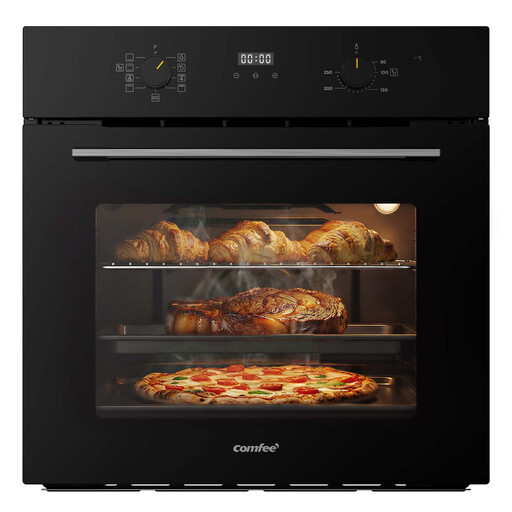
Why it suits this profile: This 70-litre oven combines ten functions with an LED display, timer and ECO mode. You get the essential features without immediately opting for a more advanced smart model.
The niche dimensions, capacity and power rating are clearly stated. The AquaClean function is intended for light soiling and should not be confused with pyrolytic cleaning.
70 litres, 3 kW, fan cooking, grill, pizza function and energy rating A according to the product information.
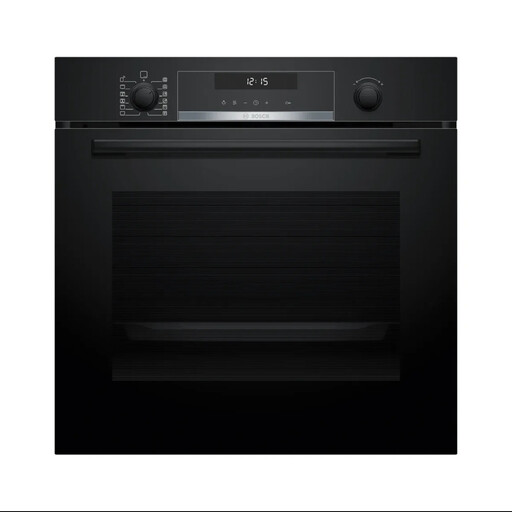
Why it suits this profile: Ideal if you bake frequently, use several levels and appreciate control via Home Connect. The model has a capacity of 71 litres and a range of automatic programmes.
Pyrolytic cleaning is listed as a separate programme. Before use, check which accessories need to be removed from the oven during pyrolysis.
71 litres, energy rating A+, Air Fry function, 30 automatic programmes and telescopic rails according to the product specifications.
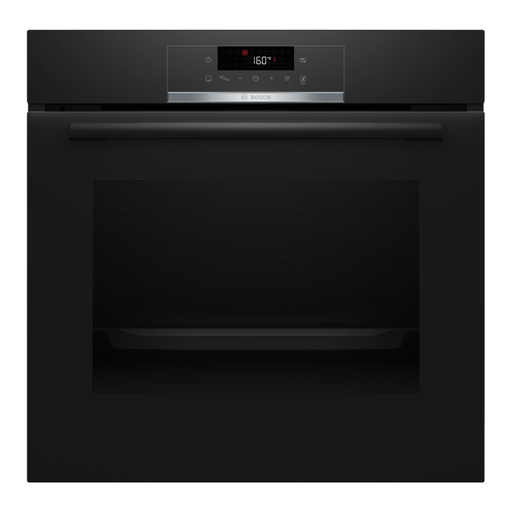
Why it suits this profile: This model is aimed at users who want to use steam injection and an air-fryer function alongside fan cooking and grilling for a range of dishes.
The product specification distinguishes between steam injection, pyrolysis and other functions. This prevents limited steam assistance from being mistaken for full steam-oven cooking.
71 litres, energy rating A+, pyrolysis, 3D Hot Air, Air Fry and steam injection according to the product data.
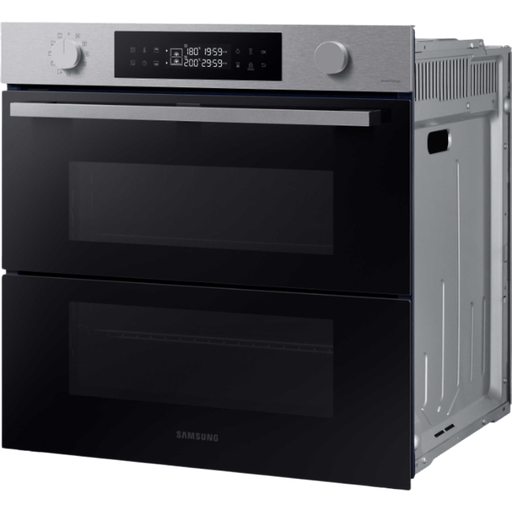
Why it suits this profile: The 76-litre capacity and Dual Cook Flex are practical when you want to prepare larger meals or cook two dishes at the same time.
The two cooking zones are a specific feature, not a general claim about versatility. However, check that the separate zones are suitable for your baking trays and recipes.
76 litres, Dual Cook Flex, steam function, SmartThings support and energy rating A+ according to the product description.
We’ve put together a complete, up-to-date list of products that fully meet these strict selection criteria and the applicable European safety regulations.
Many models with external dimensions of approximately 60 cm require a niche width of around 56 to 57 cm, a niche height of around 59.5 cm and a niche depth of approximately 55 cm. Always check the installation manual for the model you choose. Measure the existing niche at several points and allow for ventilation space.
The lifespan depends on usage, maintenance, installation and the quality of the components. Cleaning regularly, closing the door carefully and keeping ventilation openings clear can help prevent unnecessary strain. The statutory guarantee in the European Union is at least two years; additional manufacturer’s guarantees vary by brand and model.
The cost depends on consumption per cycle, the electricity price, temperature and cooking time. Multiply the stated consumption in kWh by your current electricity tariff. Avoiding preheating when the recipe doesn’t require it, not opening the oven unnecessarily and using a suitable fan setting can help reduce consumption. When comparing ovens, therefore, look beyond the energy rating alone.
