
Vandaag of morgen in huis

Kwaliteit gegarandeerd

Welkomstaanbiedingen ontgrendelen: GRATIS bezorging | Tot 80% korting | Gratis 30 dagen JoyPlus-proefperiode
Download de app
Choosing a new built-in oven can seem like a daunting task. Manufacturers promise the world with smart features, self-cleaning technology, and professional baking results. But which specifications truly matter, and what is just marketing hype? As a Joybuy Product Recommendation Officer, I'll help you cut through the noise and find an oven that fits your kitchen and cooking style, without you paying for extras you'll never use.
Before you buy a built-in oven, it's wise to be aware of a few common pitfalls:
To avoid a bad purchase, it's better to focus on a few core specifications that directly impact your cooking results and ease of use.
The foundation of any oven is its heating method. A modern convection oven is the standard today, but even here, there are differences.
Nobody enjoys cleaning an oven. A self-cleaning oven is therefore a popular choice. Pay close attention to the type of system:
An oven is a large appliance that can consume a fair amount of electricity. The energy label indicates its efficiency. The scale runs from A+++ (very efficient) to D (inefficient). Pay attention to the energy consumption per cycle (kWh) for both conventional and convection modes. An efficient oven with an energy label of A+ or higher can make a noticeable difference to your annual energy bill.
To help you with your choice, we have selected a number of models that suit different user profiles and avoid the pitfalls mentioned earlier.
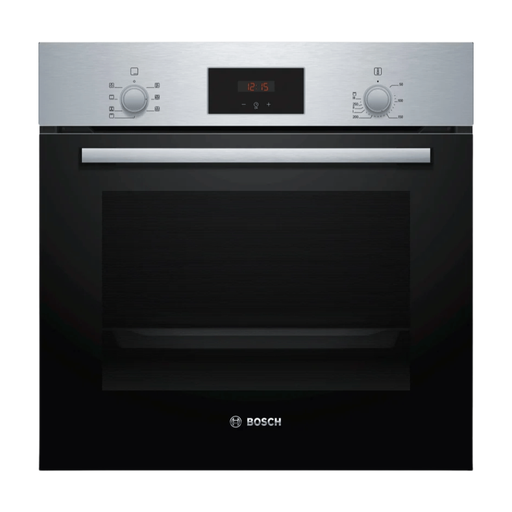
Why this model fits: For those seeking a reliable oven with proven technology. This model offers a perfect balance between advanced features, like 3D Hot Air for even baking, and ease of use, without the premium price for gimmicks you don't need.
This Bosch built-in oven focuses on cooking performance rather than superfluous smart features. The EcoClean cleaning system is a practical aid that simplifies maintenance without the high cost of pyrolytic cleaning.
The 3D Hot Air technology ensures very even heat distribution, allowing you to bake with confidence on three levels at once.
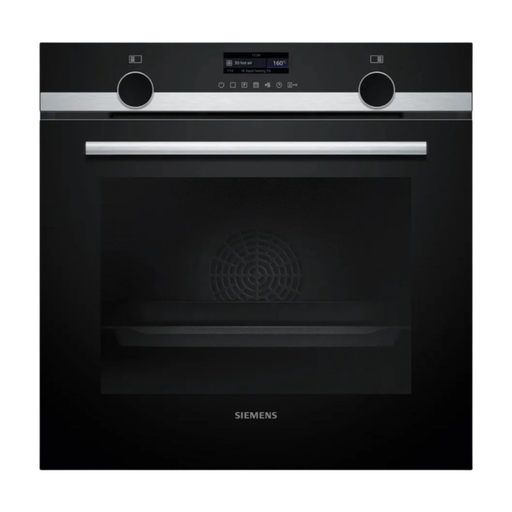
Why this model fits: For those who love to cook but prefer to skip the cleaning. This oven combines advanced technology with the ultimate in maintenance convenience. The investment pays for itself in time and ease.
This model completely resolves the confusion around 'self-cleaning'. Its full-fledged pyrolytic function incinerates all dirt to ash. No half-measures with steam, but a truly clean oven with minimal effort.
The dual cleaning system (pyrolytic for deep cleaning and hydrolytic for a quick refresh) offers maximum flexibility. The rapid pre-heating function is an added bonus.
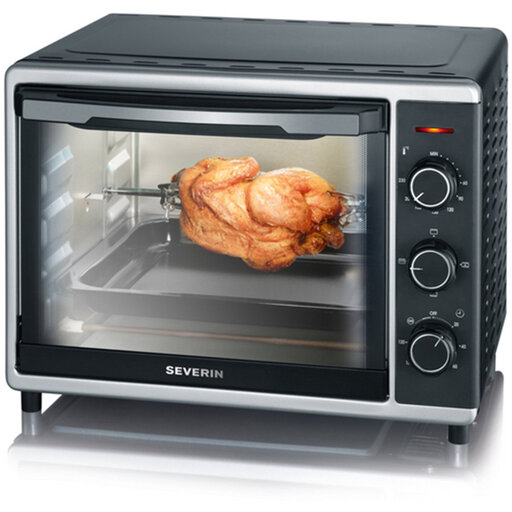
Why this model fits: Ideal for smaller kitchens, studios, or as a handy secondary oven. This model offers the functionality of a full-sized oven, including convection and a rotisserie, in a compact and affordable package.
This mini oven proves you don't need a large, expensive built-in oven for versatile meals. It focuses on core functions that add real value, like convection and a rotisserie, instead of misleading capacity.
Surprisingly versatile for its size. The combination of a convection function and a rotisserie spit makes it suitable for everything from pizza and cake to a perfectly grilled chicken.
We have compiled a complete, up-to-date list of products that fully meet these strict selection criteria and local safety regulations.
A conventional oven uses static top and bottom heat. The heat is not evenly distributed, meaning the placement of your dish matters a great deal. A convection oven has a fan that circulates hot air throughout the entire oven cavity. This ensures faster and more even cooking, often allowing you to bake at a lower temperature and even prepare multiple dishes at once.
Consumption depends on the energy label and how you use the oven. An average modern oven with an A energy rating consumes about 0.80 kWh (convection) to 1.00 kWh (conventional) per hour at 200°C. A model with an A++ rating is significantly more efficient and can reduce this consumption to around 0.50-0.70 kWh. While it's not a huge expense, choosing an efficient model can certainly pay off in the long run.
This depends entirely on your personal preference. If you hate scrubbing baked-on grease and are willing to pay extra for maximum convenience, then a pyrolytic oven is absolutely worth the investment. It will save you hours of cleaning work over the oven's lifespan. If you don't mind cleaning the oven by hand regularly, you can save money by choosing a model with hydrolytic cleaning or a special coating.
