
Vandaag of morgen in huis

Kwaliteit gegarandeerd

Welkomstaanbiedingen ontgrendelen: GRATIS bezorging | Tot 80% korting | Gratis 30 dagen JoyPlus-proefperiode
Download de app
Building toys can provide hours of fun, but not every set suits every age or style of play. A box containing lots of pieces may look appealing, while a three-year-old might get more out of large, easy-to-grip building blocks. Magnetic building tiles also require extra attention because of their small parts and strong magnets.
As a Joybuy Product Recommendation Officer, I filter product information for details you can actually check at home: recommended age, number of pieces, material, theme and warnings. This helps you avoid paying mainly for packaging, a well-known name or a lengthy product description.
A set with 150 pieces sounds more extensive than a set with 36 pieces. However, lots of small pieces can be more difficult for young children than a compact set with clearly defined shapes. So also check the size of the building pieces, whether instructions are included and whether the pieces are suitable for free building or mainly intended to create one model.
A product labelled as suitable from 3 years is not automatically suitable for a toddler who still regularly puts toys in their mouth. With magnetic building tiles, small parts and magnets that come loose are particular concerns. Always take the official warning and the child’s behaviour into account, not just the age shown on the packaging.
Terms such as “strong magnetic structure”, “educational” or “safe ABS” do not automatically describe the complete experience of using the product. According to Tokky’s product description, the magnets in certain sets are ultrasonically sealed inside the tiles. This is useful information, but you should still check the pieces regularly for cracks, loose magnets or damaged casings.
Specifications may also vary between some product listings. The Tokky starter set is described as a 36-piece set, while additional information also mentions 50 pieces. Before buying, check the current contents shown on the product page and the packaging.
For children aged 1.5 to 3 years, larger pieces are usually more practical. According to the product description, the LEGO DUPLO Classic 10479 Colourful Creative Box contains 80 larger pieces and is intended for children from 1.5 years. For children aged 4 and over, smaller building bricks, themed figures and more detailed instructions become options.
Also consider where the set will be used. A set with lots of small tiles is less convenient in a living room where pieces can easily go missing. A storage box or sturdy container makes tidying up every day easier.
Many of the magnetic building tiles for children in this selection are made from ABS plastic. Check whether the product information mentions rounded edges, a smooth finish and enclosed magnets. For sets containing magnets:
Also look for stated standards, such as EN 71, and the warnings on the packaging. A product claim made by a brand remains that brand’s claim; according to XINQIYUAN’s product information, compliance with EN71 is mentioned for the forest set, among other things. Check the current documentation for the product.
A building set can encourage open-ended construction play, but it may also be aimed mainly at role play. LEGO building sets featuring Bluey, Disney or Marvel appeal to fans who want to act out stories after building. Magnetic tiles are more focused on shapes, patterns and spatial construction.
“Educational toy” often means in practice that a child develops their understanding of colours, shapes, counting or spatial relationships while playing. This is not a guarantee of a particular learning outcome. Look for specific features, such as alphabet tiles, number blocks, example models or an instruction booklet.
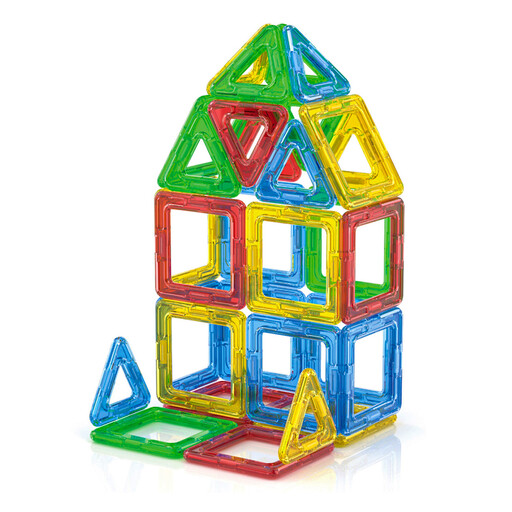
Why it suits this profile: A compact starter set for children aged 3 and over who are playing with magnetic building tiles for the first time. The tiles are designed for flat patterns and simple 3D shapes.
The stated 36 tiles keep the first purchase manageable. However, check the current product information, as additional specifications mention a different number.
ABS material, mini size and a colourful box according to the product description. No batteries required.
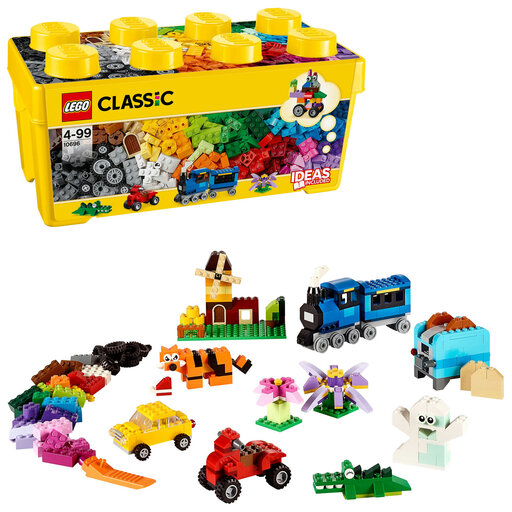
Why it suits this profile: For children aged 4 and over who would rather create their own models than follow one fixed design. The set is ideal for families looking for a reusable basic collection.
The set is not limited to one theme or model. The storage box helps keep loose pieces together.
According to the product description, the box contains 484 pieces in 35 colours, plus wheels, windows and a baseplate.
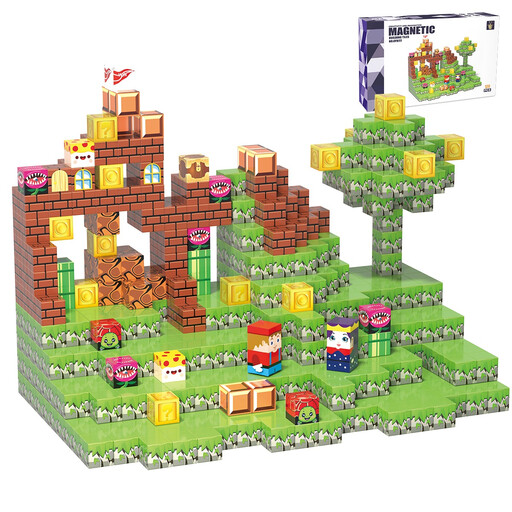
Why it suits this profile: For children aged 3 and over who enjoy creating themed scenes and want to take a set with them when travelling. The forest and animal images help guide their play.
The product description mentions ultrasonically sealed magnets, smooth edges and a storage box. Regular checks and supervision are still essential.
120 mini tiles, a forest theme, storage container and project guide according to the product information.
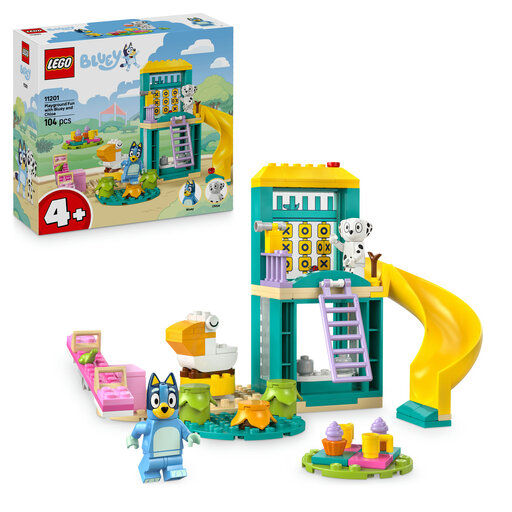
Why it suits this profile: For children aged 4 and over who want to combine building with role play based on a familiar TV theme.
The set divides the building into separate models and includes simple instructions. This makes getting started more manageable for young builders.
According to the product details, the set contains 104 pieces, two characters and a playground with, among other things, a slide and swing.
We have put together a complete, up-to-date list of products that fully meet these strict selection criteria and the applicable European safety regulations.
Choose a set with a clear age recommendation from 3 years, rounded edges and a manageable number of pieces. With magnetic building tiles, supervision and checking for loose magnets are particularly important. For younger children, larger DUPLO-style building blocks are often more practical.
Their lifespan depends on the material, use and storage conditions. Store magnetic tiles in a dry place and away from heat. Ideally, use a box or container and check the pieces regularly. Damaged bricks or tiles with a loose magnet should no longer be part of the toy collection.
The price is mainly affected by the number of pieces, brand, theme and special features. A small magnetic starter set can be a good way to try out a style of play. A larger LEGO Classic box offers more combinations for open-ended building, but also requires more storage space. So do not compare the price solely per piece; also consider the age range, intended use and how long the set is likely to hold a child’s interest.
