
Vandaag of morgen in huis

Kwaliteit gegarandeerd

Welkomstaanbiedingen ontgrendelen: GRATIS bezorging | Tot 80% korting | Gratis 30 dagen JoyPlus-proefperiode
Download de app
Good building tools save time, but a low price or eye-catching product claim doesn’t always tell you enough. For renovation, tiling, painting or assembly work, the right size, material and application matter most. This applies to DIYers as well as tradespeople who use their tools every day.
Three common pitfalls deserve extra attention:
A universal claim without clear specifications
A tool may seem suitable for lots of jobs, even when its dimensions, the surface or its maximum load aren’t right for your work.
Overlooking materials and finish
For hand tools, the type of steel, heat treatment, handle and corrosion protection all affect how well the product stands up to repeated use.
Looking only at the maximum capacity
A tile suction lifter with a stated load capacity will only work well on a smooth, clean, non-porous surface. A spirit level or laser distance meter also needs a stable surface and correct handling.
The dimensions should suit the job. A small chisel is practical for precise chiselling, while a wider version removes more material with each strike. A compact magnetic spirit level is handy in tight spaces; for long walls, a longer model can give you a steadier reading.
When buying, check:
If you’re specifically looking for renovation tools, it’s a good idea to note down the project’s materials and finish first. This helps you avoid buying a product for jobs it isn’t designed for.
For intensive use, verifiable material specifications are more useful than general terms such as “strong” or “professional”. For example, the ValueMax masonry chisel set specifies chrome vanadium steel and a hardness of HRC 53–60 at the cutting edge. The product description also states that the shank is more flexible, with a specified hardness below HRC 44.
For paint brushes, synthetic bristles, how the bristles are secured and the shape of the handle are all relevant. A set with several widths can be more practical than one wide brush if you’re painting edges, furniture and larger surfaces.
A product will only stay usable if it’s used and stored correctly. So check:
Before using a tile lifter or tile suction lifter, check the rubber pad. When using a chisel, make sure the workpiece is firmly secured, and wear safety glasses and gloves. Always check the latest product information, warnings, returns policy and any EU responsible person details on the product page.
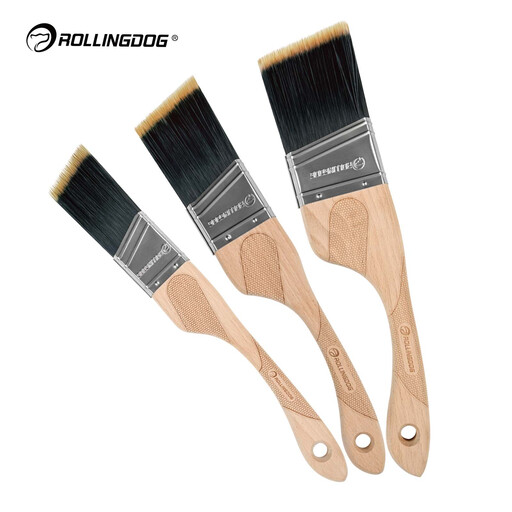
Why it suits this profile: The set includes three common brush widths for walls, furniture, edges and small touch-ups. It’s a practical choice if you want to tackle several painting jobs without a big investment.
The product description gives specific sizes of 1.5, 2 and 2.5 inches, rather than making only a general claim about what it can be used for.
Synthetic bristles, three sizes and, according to the product information, suitable for latex, oil and acrylic paints, as well as varnish.
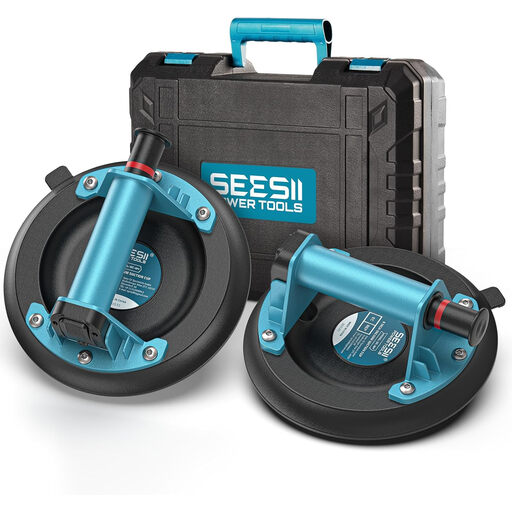
Why it suits this profile: A vacuum lifter can give you more control when moving large tiles, glass, marble or worktops. Always follow the stated surface and load requirements.
The description specifies a maximum suction capacity of 200 kg and says it’s suitable for smooth, non-porous surfaces. This makes the limits of use clearer.
ABS housing, rubber suction pad and, according to the product information, suitable for use on glass, ceramic, stone and metal.
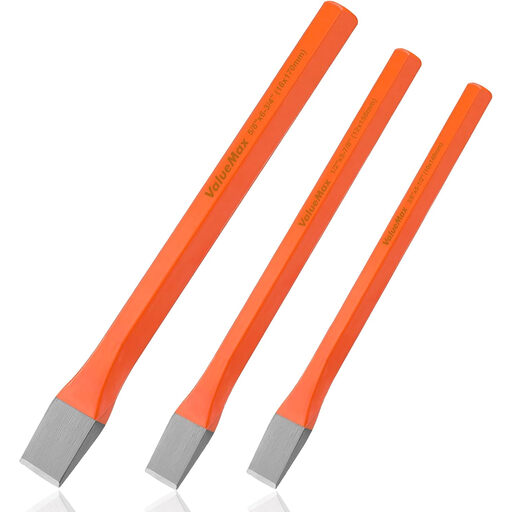
Why it suits this profile: The three sizes are designed for different types of chiselling and breaking work in stone, cement and mortar. This makes the set a good fit for renovation and building work involving hand tools and striking.
The product information specifies 10, 12 and 16 mm and states that it’s made from chrome vanadium steel, rather than simply describing it as suitable for heavy-duty work.
Three sizes, plastic-coated handles and a stated hardness of HRC 53–60 at the cutting edge.
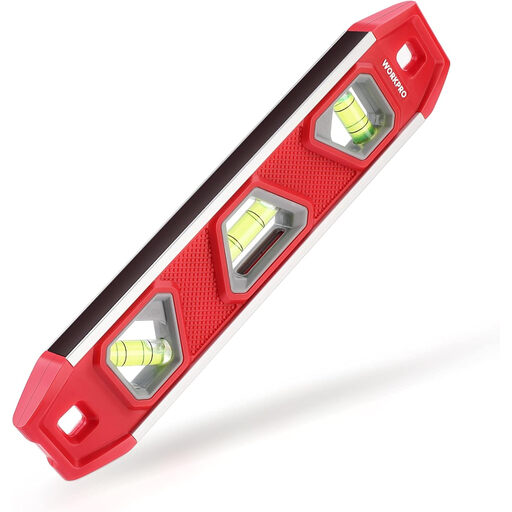
Why it suits this profile: Its compact size makes it suitable for pipes, cupboards, installation work and other spots where a long spirit level is difficult to position.
The specifications include three measuring angles, a V-groove and a top-view window. This makes its intended use clearer than an unspecified mini spirit level.
23 cm aluminium frame, magnetic base and vials for 45°, 90° and 180°, according to the product information.
For interior work, measuring and assembly, a laser distance meter can save time when measuring distances. The ochama LS1 is described in the product title as lightweight and portable, and comes with a data cable and lanyard. As the available description doesn’t state the measuring range, accuracy or protection rating, it’s a good idea to check these details on the current product page before ordering.
The same approach applies to professional hand tools: first compare the relevant specifications with the work you need to do. A tiler has different requirements from a painter, installer or DIYer. Also consider accessories, batteries, storage options and cleaning instructions.
We’ve put together a complete, up-to-date list of products that meet these strict selection criteria and the applicable European safety requirements.
Start by listing the materials and tasks involved: measuring, aligning, chiselling, lifting, painting or assembling. A basic set could include a magnetic spirit level, measuring tools, suitable hand chisels, screwdrivers and safety equipment. Add specialist tools only when the job calls for them.
Their lifespan depends on the materials, how often they’re used, the load they’re under, maintenance and storage. Clean paint brushes immediately after use, keep suction pads free of dirt and check chisels for damage. Don’t use tools with cracks, deformations or a damaged measuring function.
Not always. Choose tools based on the job and how often you’ll use them. For a one-off painting job, a practical set of paint brushes may be enough. For repeated renovations or intensive building work, material specifications, ergonomics, maintenance and replaceable parts matter more than the purchase price alone.
