
Vandaag of morgen in huis

Kwaliteit gegarandeerd

Welkomstaanbiedingen ontgrendelen: GRATIS bezorging | Tot 80% korting | Gratis 30 dagen JoyPlus-proefperiode
Download de app
A building set can seem easy to compare: check the number of pieces, choose a fun theme and place your order. In practice, age, size, materials and intended use are what determine whether a set is a good fit. More bricks don’t automatically mean more play value, and an attractive display model isn’t always suitable for younger children.
This guide helps parents, family members and adult enthusiasts compare building sets for children and adults with confidence.
A set with hundreds of pieces may look appealing, but it might not be right for a beginner. Always check:
An adult building set with more than a thousand pieces calls for a different approach from a simple toy for a pre-schooler.
Small parts can pose a choking hazard. The magnetic building blocks in this selection, for example, are intended for children aged 3 and over and carry a warning that they are not suitable for younger children. LEGO building sets with small parts also have age limits, such as 4+, 7+, 9+, 10+ or 18+.
The age on the packaging is not just a suggestion. Consider the child’s development and the way they play, too. Even a child of the recommended age may need help with a complex model.
Words such as “educational”, “Montessori” or “STEM” often describe how a product is positioned, but they don’t automatically tell you how much a child will learn from it. According to the manufacturer’s product description, an activity cube can help children practise turning, pressing and sorting. That makes it suitable for interactive play, but the results will vary from child to child.
Look for information you can verify, such as materials, dimensions, batteries, number of pieces and safety warnings.
For young children aged 1 and over, simple activities with large, easy-to-grip parts are often more practical. According to the product information, an 8-in-1 activity cube is suitable for ages 1 to 3, measures approximately 23 × 23 × 24 cm and requires batteries, which are not included.
For children aged 3 and over, magnetic building blocks offer more scope for open-ended play. The pack of 150 magnetic blocks also includes 24 light-up blocks, characters and example patterns. The product warning mentions small parts and a minimum age of 3.
Check whether the product page provides information about materials, rounded edges and safety standards. The activity cube’s product description specifies ABS, BPA-free material, rounded edges and compliance with CE and EN71 safety standards. The wooden Montessori climbing set is described as being made from beech wood and plywood, with rounded edges and a stated maximum load of 50 kg per component.
This kind of information is more useful than a general claim about “safe quality”. Also check whether assembly is required, whether batteries are included and whether small accessories need to be kept out of reach of young children.
A building set should suit the recipient’s interests as well as the space available. A LEGO desk decoration is very different from a large playhouse or climbing set. So check the dimensions of the finished model:
A large model can make an eye-catching display, but it needs a stable spot and enough storage space.
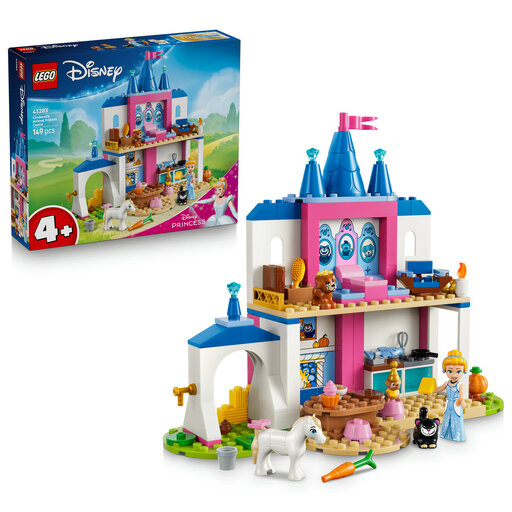
Why it suits this profile: This set is intended for children aged 4 and over and contains 149 pieces, a castle and several figures for imaginative play.
The recommended age, number of pieces and model dimensions are clearly stated. Starter Bricks are designed to make getting started with building easier.
149 pieces, four animal figures, a mini-doll and picture instructions for beginner builders.
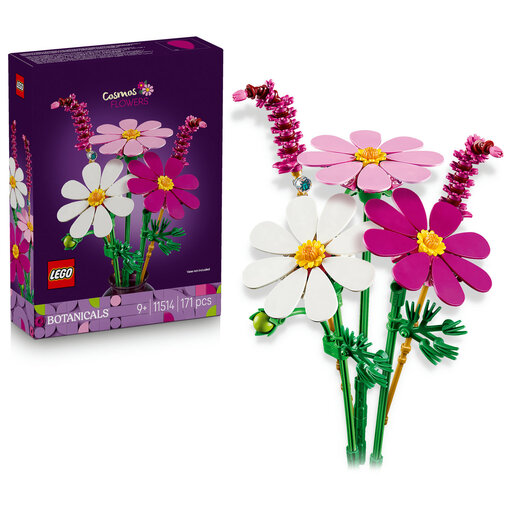
Why it suits this profile: This building set combines a building project with home décor. According to the product information, it is suitable for enthusiasts aged 9 and over, as well as adult nature lovers.
The product description gives both the number of pieces and the size of the bouquet. This makes it easy to check whether it will work as a table or shelf decoration before you buy.
171 pieces, five flower stems and a finished model approximately 23 cm high, designed to be displayed as LEGO décor.
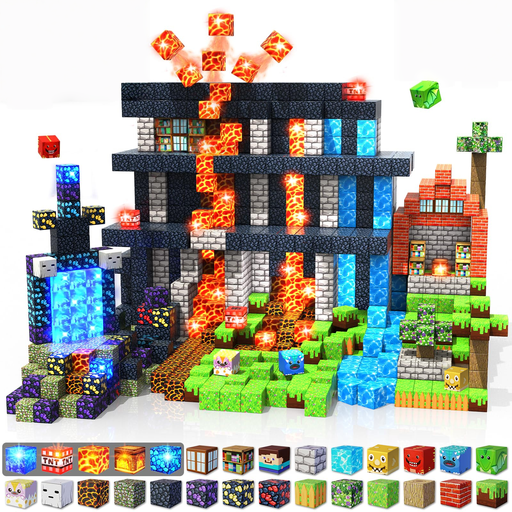
Why it suits this profile: This set is suitable for children aged 3 and over who enjoy building freely, taking things apart and combining them in new ways, possibly with a parent.
The set states the minimum age, number of blocks, number of light-up blocks and warning about small parts. This helps you look beyond the theme or packaging when comparing sets.
150 magnetic blocks, 24 light-up blocks, example patterns and two themed worlds for open-ended play.
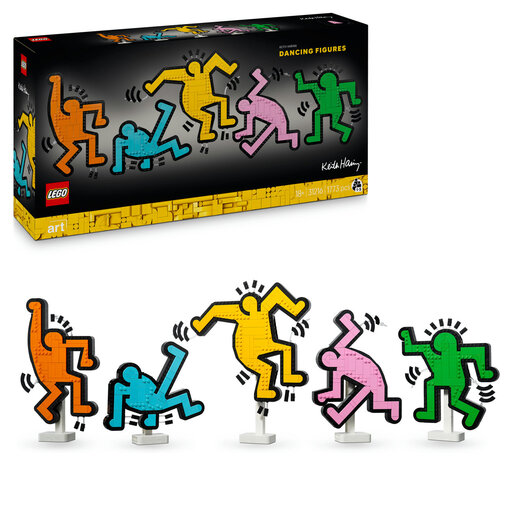
Why it suits this profile: According to the product information, this model is intended for fans aged 18 and over. It can be displayed on a wall or placed on a surface.
The product information notes that a frame is not included and gives the dimensions as approximately 33 × 87 × 4 cm. This lets you check the display space before you buy.
1773 pieces, five separate figures and two display options make this a great shared building project.
We’ve put together a complete, up-to-date list of products that meet these strict selection criteria and the applicable European safety requirements.
For children aged 1 and over, large, simple activities are usually more practical than traditional building bricks with small parts. An activity cube for ages 1 to 3 can offer turning, pressing and sounds. Always check the age recommendation and supervise young children while they play.
Yes, but choose one based on the child’s age, interests and building experience. A simple Disney castle with figures could appeal to a child aged 4 and over. For children aged 9 or 10 and over, themed LEGO sets with more pieces may be a good fit. Check the warning about small parts for every gift.
That depends on the type of play. A model that is simply built by following instructions may mainly serve as decoration once it’s finished. Magnetic building blocks and sets with role-play pieces often offer more opportunities to build again or make up stories. For adults, botanical, art and architecture models can find a permanent place in the home after they’re built. So consider not just how long it takes to build, but also what you can do with the set afterwards.
