
Vandaag of morgen in huis

Kwaliteit gegarandeerd

Welkomstaanbiedingen ontgrendelen: GRATIS bezorging | Tot 80% korting | Gratis 30 dagen JoyPlus-proefperiode
Download de app
Building sets for children can seem easy to compare: check the number of pieces, choose a fun theme and place your order. In practice, age, piece size, building time and how the set will be played with are what really determine whether it’s a good fit. A gift can end up unused if the instructions are too difficult, pieces go missing or the model is left on a shelf after one building session.
As a Joybuy Product Recommendation Officer, I focus on information you can check: age guidance, number of pieces, dimensions, material and the ways children can play with the set.
A box with hundreds of pieces may look appealing, but more bricks don’t automatically mean more fun. For younger children, larger blocks that are easy to grasp are often more practical. Older children may enjoy smaller pieces, detailed models and longer building instructions.
So always compare the number of pieces with the recommended age. A set with 80 large DUPLO bricks isn’t directly comparable to one with 225 small LEGO bricks.
A child who enjoys making up stories may get more out of a playset with figures and accessories. A collector or hobby builder may be looking for a model to build and display. For open-ended building, LEGO Classic or other creative building sets are more suitable than a set with one prescribed finished model.
Also check what “3-in-1” means. With LEGO Creator 3-in-1, you can build three models using the same bricks, but not at the same time. It’s a great feature for rebuilding and variety, but it doesn’t mean you should expect three complete models at once.
Small pieces can pose a risk to children under 3. Check the warnings on the packaging and consider younger siblings and pets who might pick up loose pieces. A storage box, sorting tray or sealable bags can help keep the set complete.
For toys sold in the European market, check that the packaging includes the required information, such as a CE marking, age guidance, warnings and details of the responsible economic operator. A CE marking isn’t a quality rating; it indicates that the manufacturer declares the product meets the relevant EU requirements.
For children aged around 1.5 and over, LEGO DUPLO and similar building blocks with larger pieces are a sensible category to consider. For example, the LEGO DUPLO Classic 10479 Colourful Creative Box is intended for ages 1.5 and over and contains 80 pieces. Smaller LEGO bricks are more common for children aged 4 and over, but always check the specific age guidance.
The number of pieces gives you an idea of the set’s size, but not how difficult it is to build. A LEGO Bluey set for children aged 4 and over may contain 104 pieces and still be accessible thanks to Starter Bricks and simple, visual instructions. A model with 270 pieces for ages 7 and over requires more concentration and time.
Ask yourself:
The sets mentioned are made of plastic; ABS is specified for the hobby sets. Don’t rely only on claims such as “durable” or “high-quality finish”: check the product information for piece type, dimensions and warnings. Clean the bricks according to the instructions and don’t use harsh cleaning products. Damaged pieces or pieces with sharp edges should be removed from the toy box.
The selection below matches specific product details with different ways of using each set. The product descriptions mention learning or development benefits; this information comes from the manufacturer. Think of it as a possible play experience, not a medical claim or a guarantee of developmental benefits.
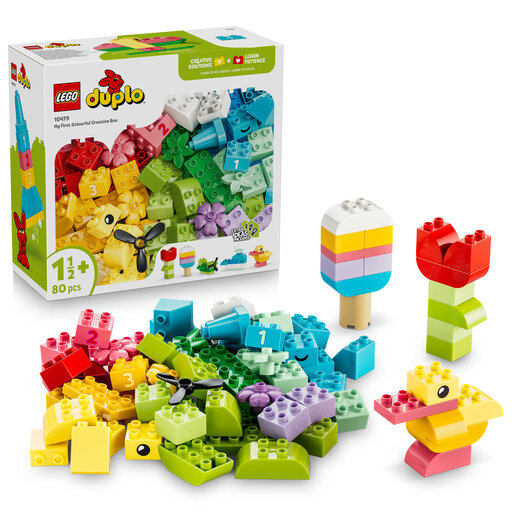
Why it suits this profile: Designed for ages 1.5 and over, this set contains 80 larger pieces for open-ended building with animals, vehicles and other simple shapes.
The focus isn’t on building a complicated finished model, so beginners can get straight into making several simple creations.
80 large bricks, inspiration instructions and no batteries required.
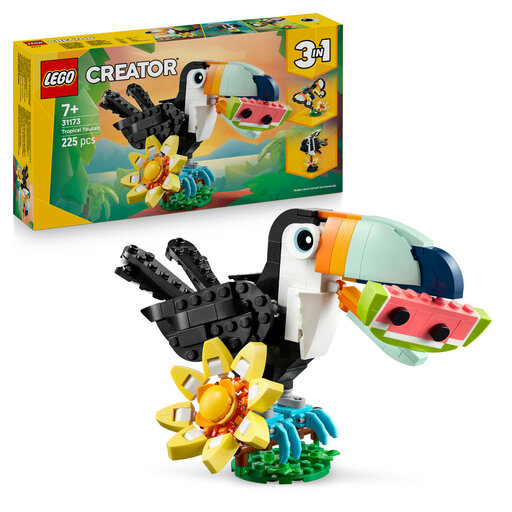
Why it suits this profile: For children aged 7 and over and animal lovers, this set offers three building options using the same 225 pieces.
The 3-in-1 design makes rebuilding possible, so the model isn’t limited to just one play scenario.
Three models, adjustable parts and stands for displaying the animals.

Why it suits this profile: This 511-piece ABS set is aimed at older children aged 6 and over, and hobby builders who want to build a larger model.
The clear age guidance and stated small-piece type show that supervision and careful storage are needed.
511 pieces, ABS material and a model designed to be built and taken apart repeatedly.
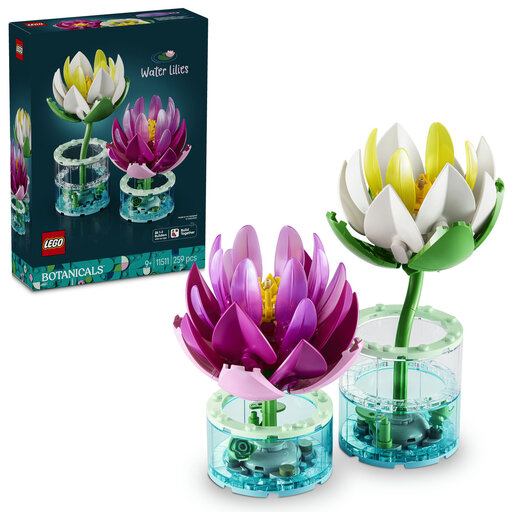
Why it suits this profile: Children aged 9 and over, teenagers and adults can build two water lilies and then use them as decoration.
The set has a clear dual purpose: building and displaying. That means the finished creation can still be enjoyed as decoration after the building activity.
259 pieces, adjustable petals and transparent vase details.
We’ve put together a complete, up-to-date list of products that meet these strict selection criteria and the applicable European safety requirements.
LEGO toys offer a wide range for different ages and interests. LEGO DUPLO is designed for young children, while LEGO Friends and Bluey LEGO mainly encourage role play with figures and accessories. LEGO Technic uses moving parts and mechanisms, making it a good fit for children who want to understand how a vehicle works.
Other creative building sets may appeal to hobby builders looking for a specific vehicle or military model. If so, take an extra-close look at the manufacturer’s details, age warning, instruction language and availability of replacement parts. A low price may not be such a bargain if pieces are missing or the instructions are unclear.
Look for clear age guidance from 4 years, larger starter pieces and simple visual instructions. LEGO Bluey 11201 Playground Fun with Bluey and Chloe contains 104 pieces, Starter Bricks and one buildable model per bag. That can feel more manageable than a large set with hundreds of loose pieces.
Lifespan depends on the material, connections, storage and how the set is used. ABS plastic and LEGO bricks are designed to be taken apart and reassembled repeatedly, but damaged pieces should be removed. Store building sets in a dry place, sort the pieces and keep them out of reach of children who aren’t yet old enough to play with small parts.
Building can encourage children to explore colours, shapes, spatial awareness and cause-and-effect relationships. LEGO’s own product information also mentions communication, problem-solving or fine motor skills for some sets. The results vary from child to child and depend on age, interests and support. So think of “educational toy” as a description of the play activity, not a guarantee of a particular learning outcome.
