
Vandaag of morgen in huis

Kwaliteit gegarandeerd

Welkomstaanbiedingen ontgrendelen: GRATIS bezorging | Tot 80% korting | Gratis 30 dagen JoyPlus-proefperiode
Download de app
Building blocks for hobby builders come in many forms, from a simple vehicle model to a detailed landmark or military set. The number of pieces doesn’t tell you everything, though. A 300-piece set might be ideal for a relaxed evening of building, while a model with more than 1,000 pieces is better suited to someone who wants to spend longer on a single project.
The most common disappointing purchases usually come down to three pitfalls:
The number of pieces gives you a practical indication of the set’s size and expected build time. The models featured here range from 323 to 1,392 pieces. A vehicle set with 323 pieces is more manageable for beginners or a shorter building session. An architectural set with 1,392 pieces calls for more sorting, patience and space.
Check the packaging dimensions, too. A larger box doesn’t necessarily mean the finished model will be bigger, but it does give you an idea of how much material there is and how you might store the pieces at home.
The WANGE and CAYI models in this selection are made from ABS plastic, a commonly used material for building blocks. In particular, check whether the product description provides information about:
According to WANGE’s product information, the pieces are designed to connect firmly. This is the manufacturer’s claim, not a guarantee that every connection will feel equally smooth for every user. Keep the instructions after building and sort any spare pieces separately.
Building sets with small parts are not suitable for children under 3 years old because of the risk of swallowing or choking. For the WANGE models, building is recommended from age 6 under full adult supervision. Always check the age guidance on the product page, especially if you’re buying a model as a gift.
If you’re looking for LEGO-compatible building blocks, don’t just compare the shape of the pieces. Check whether the manufacturer explicitly states that they’re compatible. For example, the LEGO Classic 10696 is described as compatible with LEGO creative play sets. You shouldn’t assume the same applies to other brands.
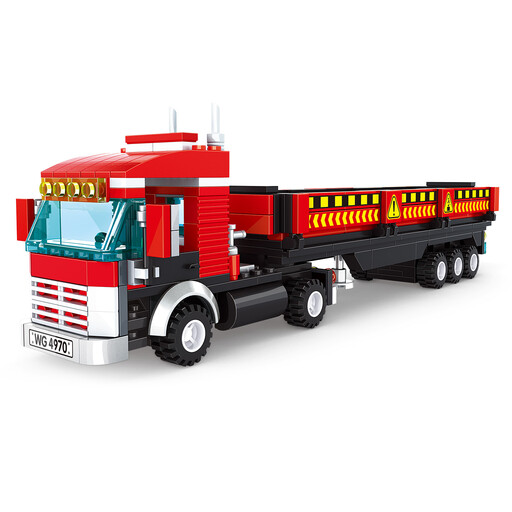
Why it suits this profile: With 323 pieces, this vehicle model is more manageable than the larger architectural sets. Its red colour and distinctive cab make it an accessible choice for a first building project or a parent-and-child set, from the recommended age.
The number of pieces and the material are clearly stated, so you can get a better idea of the set’s size than you could from a product described only in general marketing terms.
ABS pieces, packaging measuring 40 × 25 × 8,7 cm and a distinctive lorry design.
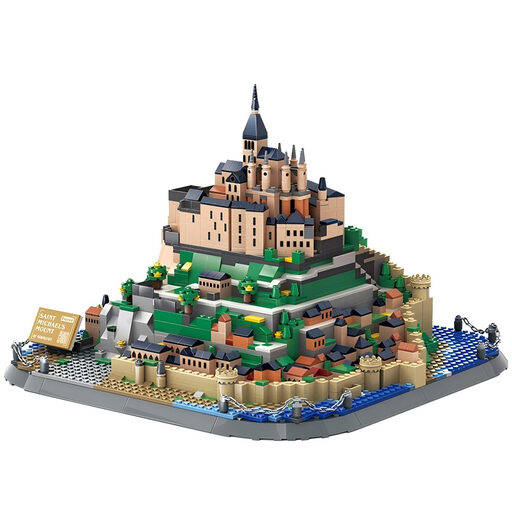
Why it suits this profile: This large model is ideal for anyone with an interest in architecture, history and a long-term building project. The depiction of Mont Saint-Michel is designed as a decorative collector’s model.
With 1,392 pieces, it’s clear this isn’t a quick building project. That helps you avoid taking on a detailed model that needs more time or space than you have.
ABS building blocks, packaging measuring 50 × 40 × 11,6 cm and a design featuring landscape and architectural details.
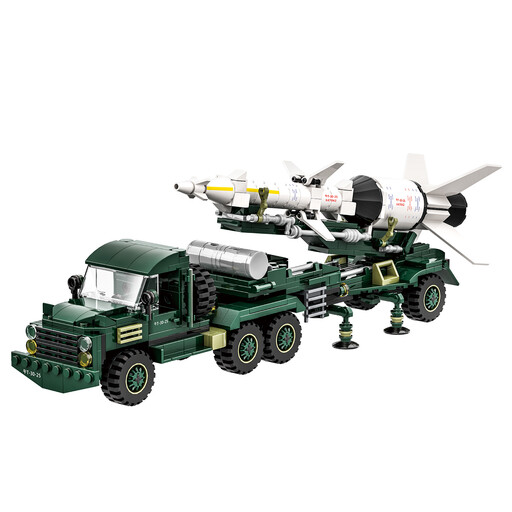
Why it suits this profile: These military building blocks are aimed at fans of air-defence vehicles and technical models. With 489 pieces, this is a more specialist model than a general-purpose building set.
The theme, colour and number of pieces are clearly specified. So you know in advance that this is primarily a display and building model, rather than a general-purpose box of bricks.
ABS material, a dark grey colour and a model with transport and launch details.
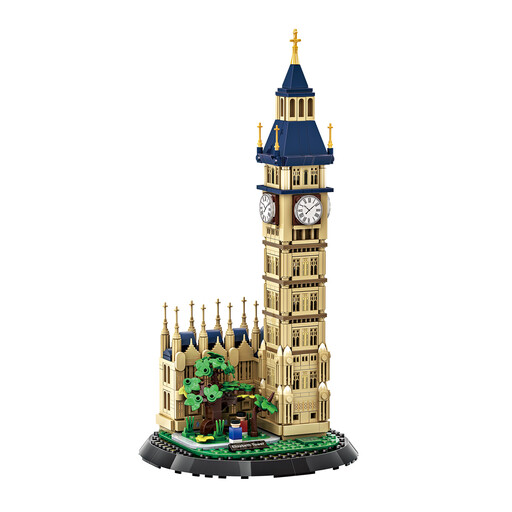
Why it suits this profile: Elizabeth Tower is a recognisable landmark for fans of architecture and city models. With 783 pieces, this set sits between a small vehicle and a large heritage model.
The product information lists the material, number of pieces and packaging dimensions. This helps you distinguish a decorative model from a general-purpose creative building set.
783 ABS pieces, a beige colour and packaging measuring 40 × 25 × 8,7 cm.
We’ve put together a complete, up-to-date list of products that meet these strict selection criteria and current European safety requirements.
That depends on the specific set. The WANGE and CAYI models mentioned here are listed as suitable for children aged 6 and over when built under adult supervision. The sets contain small parts and are not suitable for children under 3. Always check the latest age guidance on the product page.
Their lifespan depends on how they’re stored and used, and how often the pieces are assembled and taken apart. Keep building blocks dry, out of direct sunlight and sorted. According to CAYI’s product information, the pieces are designed to be assembled and taken apart repeatedly. This is the manufacturer’s claim; handle the model with care to limit wear on the connections.
Yes. Once built, models such as a tank, a missile transport vehicle or a naval ship can be displayed as decoration or kept as collector’s models. Check the packaging dimensions beforehand and be mindful of small parts that stick out. A display cabinet or a dedicated shelf will help keep dust off and prevent the model from being knocked.
