
Vandaag of morgen in huis

Kwaliteit gegarandeerd

Welkomstaanbiedingen ontgrendelen: GRATIS bezorging | Tot 80% korting | Gratis 30 dagen JoyPlus-proefperiode
Download de app
A building block set might seem simple to choose at first. However, sets vary considerably in size, age guidance, number of pieces and intended use. A set for a preschooler isn’t automatically suitable for a child who wants to build a historical vehicle. Product photos can also suggest a more elaborate model than the one actually included in the box.
So, look out for these three common pitfalls:
Comparing your options carefully makes it easier to find a creative building set that suits your home, parent-and-child activities, a birthday or a collection.
First, check the official age guidance and safety warnings. Many sets with small parts state that they aren’t suitable for children under 3 because of the risk of choking. This applies, for example, to various military building models and architecture sets.
A building block set for ages 3 and up usually has larger pieces or magnetic tiles. However, supervision is still sensible, especially with sets that contain magnets. Swallowed magnets can cause serious injuries. So, regularly check that magnetic tiles are still fully sealed. Stop using them immediately if a magnet comes loose.
For a building block set for ages 6 and up, the pieces are often smaller and the builds more complex. Don’t just look at the age on the packaging; consider the child’s motor skills and patience, too. A model with hundreds of pieces may be better suited to building together with an adult than to independent play.
Product information often mentions ABS plastic, a widely used material for building blocks. Also look for:
A product description may mention a brand’s features, but that isn’t an independent guarantee. According to CAYI’s own information, for example, certain pieces have rounded, polished edges and are suitable for repeated assembly and disassembly. Treat this as a product specification, not as conclusive proof of unlimited durability.
For toys, also check that the packaging includes the required European information and warnings. A reference to EN 71 may be relevant, but always check that this information applies to the specific product.
Choose a set based on how you plan to use it:
Also consider the size of the box and the finished model. A large architecture set needs a dedicated building space and a dust-free place to keep the finished build.
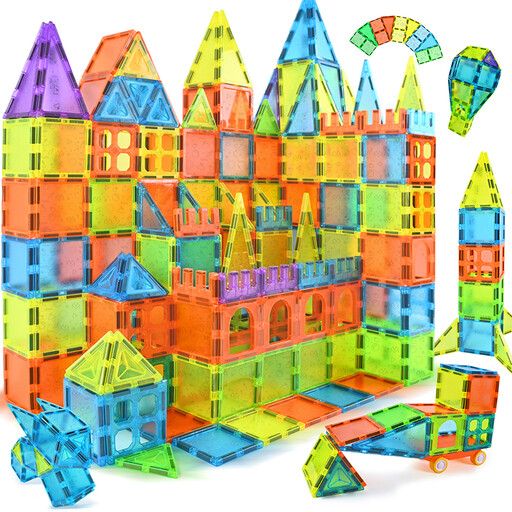
Why it suits this profile: This set contains 122 magnetic tiles and, according to the product information, is intended for children aged 3 and over. The tiles can be used flat or to make three-dimensional builds, so children can get started without following a complicated building sequence.
The number of pieces and age guidance are clearly stated. Before use, check the edges and magnetic connections, and keep the set away from children under 3.
122 pieces, ABS plastic according to the product information, and suitable for 2D and 3D builds.
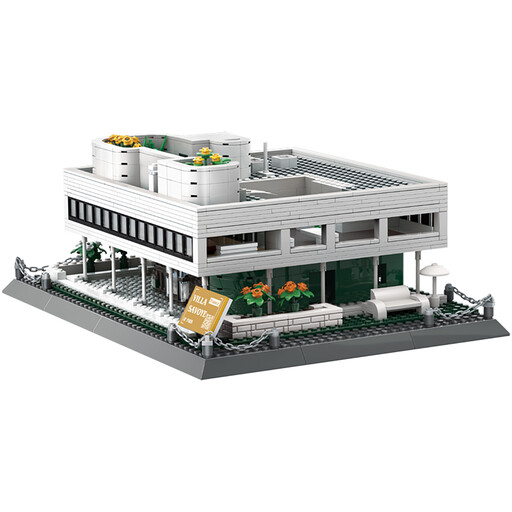
Why it suits this profile: This model-building set focuses on architecture and display. With 1,226 pieces and a stated box size of 50 × 35 × 8 cm, it’s a good fit for hobby builders who enjoy taking their time over a detailed build.
The product information includes the material, number of pieces, box dimensions and an age warning. This makes it easier to estimate in advance how much space and building time you’ll need.
1,226 ABS pieces, an architecture theme and a model described as suitable for building and display.
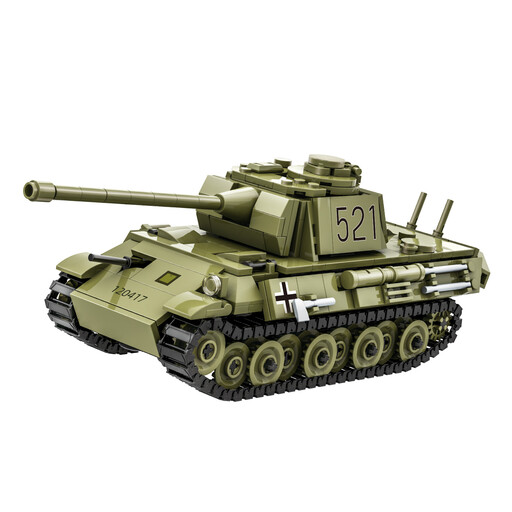
Why it suits this profile: This military building set is aimed at vehicle enthusiasts and collectors. The model contains 638 pieces and can be used for a building project, display or parent-and-child activity with older children.
The product information lists 638 pieces, ABS material and a clear warning about small parts. According to the description, it isn’t suitable for children under 3 and requires supervision for children aged 6 and over.
A military tank theme, 638 pieces and a stated box size of 40 × 25 × 8,7 cm.
We’ve put together a complete, up-to-date list of products that meet these strict selection criteria and the applicable European safety regulations.
Sets for ages 3 and up are designed with an age limit in mind, but always check the warnings for the specific product. Small parts and magnets require extra supervision. Keep loose bricks out of reach of younger children, and don’t use a magnetic set if a tile is damaged.
Its lifespan depends on the material, connections, storage and how it’s used. With normal use, ABS pieces can be assembled and taken apart several times. Store the set in a dry place, sort small pieces after building and avoid putting too much pressure on thin elements. For magnetic building blocks, the condition of the casing is especially important.
Building can help children practise working with shapes, spatial awareness, planning and fine motor skills. The benefits depend on how the child plays. A model with instructions encourages them to follow steps, while open-ended magnetic toys give them more scope to create their own designs. So, choose a set that suits your aim: free building, STEM play, time together with a parent or a collector’s model.
