
Hosts preparing lots of bites
You want to make several identical bites. The pack size and number of rusks will help you work out how many packs you need.


Choose plain rusks when the toppings are the star and you need a simple base for plenty of bites. Wholemeal or seeded rusks are a good fit when the rusk itself is a visible part of the presentation. Before choosing a variety for your guests, check the pack size, ingredients and allergens.
You want to make several identical bites. The pack size and number of rusks will help you work out how many packs you need.
The rusk is more than just a base for the topping; it will also be visible on the serving platter. So consider whether plain, wholemeal, multigrain or seeded rusks will suit your presentation.
You want to make sure the ingredients are suitable for your guests. Allergens vary by product; the varieties described here include wheat, egg and sesame, among others.
First, decide how many bites you want to make and what role the rusks will play. Then check that the ingredients are suitable for the guests you’re serving.
| What to consider | What to check | Who is it important to? |
|---|---|---|
| Pack size | Check the number of rusks and the pack weight, then work out how many packs you’ll need for your planned bites. | If I want to fill several platters, I need to know in advance how many rusks I can top. This is the top priority for around 50% of consumers. |
| Variety and presentation | Consider whether plain, wholemeal, multigrain or seeded rusks will suit the toppings and the way you’re serving the bites. | When the rusk is visible, I want the variety I choose to complement the rest of the bite. This is the top consideration for around 30% of consumers. |
| Ingredients and allergens | Read the ingredients and allergen information on the current packaging before choosing a product for your guests. | I want to check in advance whether I can serve the bites to all my guests. This is the main concern for around 20% of consumers. |
The pack weight doesn’t always tell you how many individual bites you can make.
Where possible, check the number of rusks too and work out how many you’ll need for your platters.
Different grains or seeds can also mean different allergens. PLUS lists wheat, barley, oats, egg and sesame, among other ingredients, in its wholemeal seeded rusks.
Check the ingredients with any guests for whom allergens are a concern, and read the current packaging.
According to the Voedingscentrum, baker’s salt can contain added iodine. That doesn’t mean every rusk is made with the same salt.
Check the ingredients of the rusks you plan to serve rather than relying on a general assumption.
Ingredients, allergen information and product ranges can change. Albert Heijn and PLUS point out that product information may be updated.
Check the packaging you’ve actually bought shortly before serving, especially if you’re catering for guests with allergies.
These brands offer different types of rusk. Compare the individual products and their packaging; a brand name alone won’t tell you which variety is right for your bites.
The own-label range in the Netherlands includes plain, wholemeal and multiseed rusks.
The own-label range includes plain and multigrain rusks, among other varieties.
Bolletje offers classic rusks as well as varieties made with other grains or seeds.
This ALDI own-label brand offers plain and wholemeal rusks.
The own-label range includes plain rusks and wholemeal seeded rusks, among other varieties.
The in-store range includes plain rusks, among other products.
Here, a plain variety is shown alongside rusks made with wholemeal grains or seeds. Use the pack size to plan your bites, and choose the variety that suits your toppings and guests.
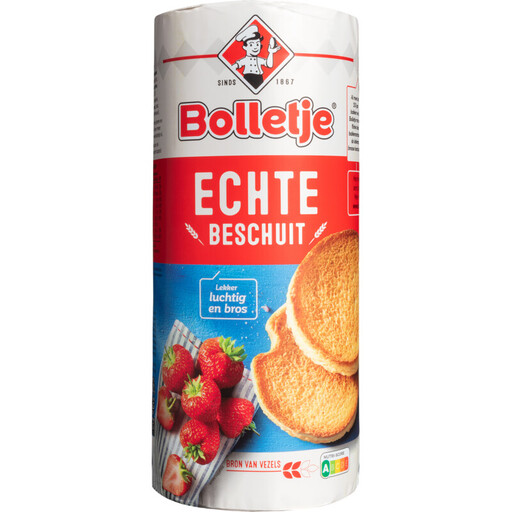 Image unavailable
A classic rusk variety for when you want the toppings to take centre stage. The pack contains 13 rusks; check the ingredients and allergens on the packaging before serving them to guests.
 Image unavailable
A seeded variety for when the rusk is a visible part of the bite. The pack contains 10 rusks; check the ingredients and allergens against your guests’ needs.
 Image unavailable
A dark wholemeal variety if it works better with the way you’re presenting your bites. The pack contains 10 rusks; check the ingredients and allergens on the packaging.
 Image unavailable
A wholemeal variety for bites where you want the rusk itself to play a part. The pack contains 13 rusks; if you’re serving guests with allergies, check the current packaging.
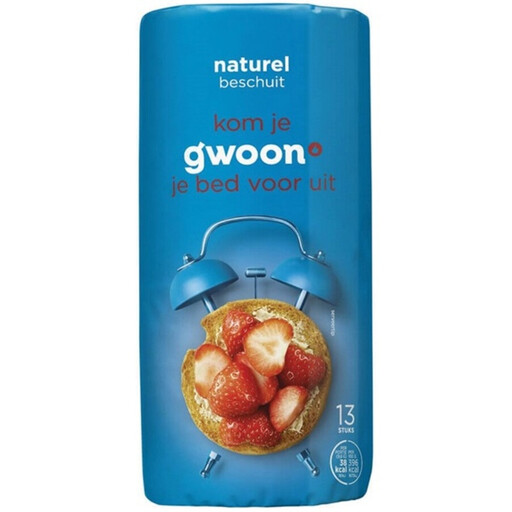 Image unavailable
A plain base for when the toppings determine the flavour and presentation. The pack weighs 125 g; if you’re planning a set number of bites, check how many rusks it contains, and read the allergen information on the packaging.
First, count how many bites you want to make and compare that with the number of rusks in each pack. If a product lists only the pack weight, check the packaging for the number of rusks before planning your platters.
Yes. If you’re buying for guests, read the allergen information on the current packaging. The Netherlands Food and Consumer Product Safety Authority describes the mandatory labelling of 14 allergens; which ones are relevant varies by rusk variety.
You can’t tell from the product category alone. According to the Voedingscentrum, baker’s salt can contain added iodine; check the ingredient information for the rusks you choose.
Store rusks somewhere cool and dry, and add the toppings shortly before serving to help prevent them from going soft. PLUS recommends storing its plain and wholemeal varieties in a cool, dry place; follow the instructions on the packaging for your product.