
Vandaag of morgen in huis

Kwaliteit gegarandeerd

Welkomstaanbiedingen ontgrendelen: GRATIS bezorging | Tot 80% korting | Gratis 30 dagen JoyPlus-proefperiode
Download de app
Buckwheat noodles work well in many Asian dishes, from a warming noodle soup to a cold noodle salad. However, the name alone doesn't automatically tell you how much buckwheat they actually contain. Some products have as little as 1% buckwheat flour, while others list 30% or 40%. Terms like "0 fat", "high in fibre" and "healthy noodles" can also give an incomplete picture.
So when you're buying buckwheat noodles in the UK, it's a good idea to focus on the ingredients list, nutritional information, allergens and packaging. That way, you can avoid choosing a product that doesn't suit your diet or cooking method.
Soba noodles and Japanese soba are often associated with buckwheat, but the buckwheat content varies considerably from pack to pack. For example, Hakubaku Cha Soba contains just 1% buckwheat flour and 2% green tea according to the product information, while Toyoung Soba Noodles lists 15% buckwheat flour. NH Buckwheat Noodles contains 20%.
So always check the quantitative ingredient declaration. If buckwheat flour appears after wheat flour on the list, the product is probably mostly wheat.
Dried noodles are mostly made up of carbohydrates. The YunShanBan 0 Fat Buckwheat Noodles list 0 grams of fat per 100 grams, but they still provide 330 kcal and 70.8 grams of carbohydrates per 100 grams. That makes them interesting if you're watching your fat intake, but not automatically low in energy.
So compare the full nutritional table and also look at the portion size. Also pay attention to the sauce, oil and toppings – they often make up a large part of the final meal.
Many buckwheat noodles contain wheat flour and therefore gluten. This applies to the YunShanBan, Bai Xiang, Jin Sha He, Wheatsun and Ottogi varieties, among others. Buckwheat itself is not wheat, but the finished product can contain wheat.
If you need to avoid gluten, don't just rely on the word "buckwheat". Check the allergen information and only choose a product that clearly states it is gluten-free. Also take a look at our selection of delicious gluten-free noodles.
For a distinct buckwheat flavour and a darker colour, the percentage of buckwheat flour is a useful point of comparison. In the range you'll find:
A higher percentage doesn't automatically mean the noodle works better for every dish. More buckwheat can affect the flavour, firmness and cooking behaviour. So also check the cooking instructions.
Check whether the nutritional information refers to dried or prepared noodles. Dried buckwheat noodles in the product data usually come in at around 287 to 362 kcal per 100 grams. The fat content ranges from 0 grams for YunShanBan to 2.6 grams for Baixiang Buckwheat Dried Noodles.
If you're looking for low-fat noodles, the following values are relevant:
High-fibre noodles can be interesting when fibre is an important part of your dietary choice, but check whether the fibre content is actually stated on the label. Jin Sha He lists 5 grams of dietary fibre per 100 grams. Other products mention fibre without giving an exact amount in the nutritional table provided.
A 200 or 300 gram pack is handy for trying out a variety. For a household that regularly uses Asian noodles, a 1 kg pack can be more economical per portion and mean less packaging per meal. Do check the best-before date and seal the pack well after opening.
Dried varieties usually need to be boiled for 3 to 7 minutes. Shirataki noodles and konjac noodles are generally ready to use: rinsing and heating is enough according to the product information. They have a different, elastic texture and a more neutral flavour than soba noodles.
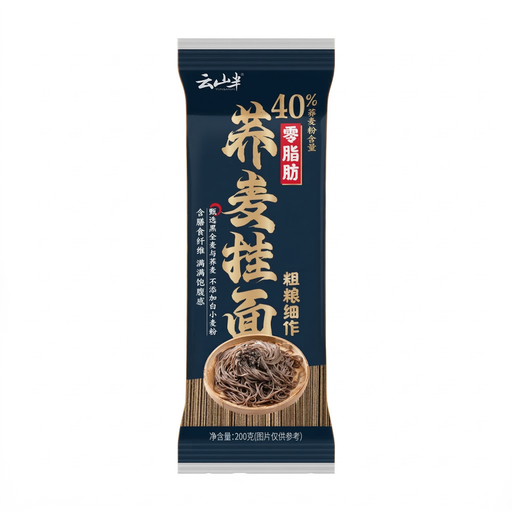
Why this fits the profile: The 200 gram pack is practical for trying buckwheat noodles for the first time. The product is suitable for soup, stir-fries and cold noodle salad.
The buckwheat content is clearly stated as 40%. The claim of 0 grams of fat is linked to a concrete nutritional value per 100 grams.
40% buckwheat flour, 0 grams of fat per 100 grams and a cooking time of around 3-5 minutes.
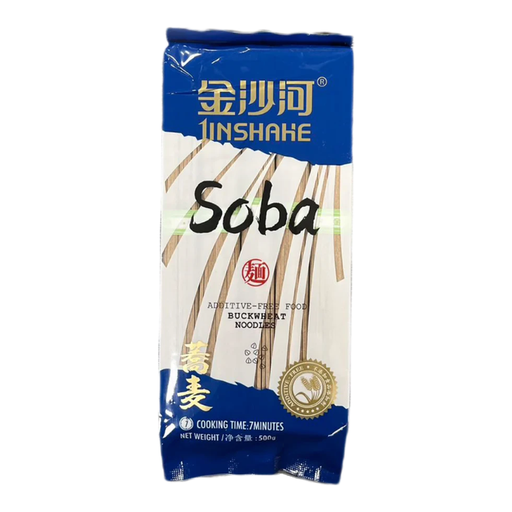
Why this fits the profile: This half-kilo pack combines a stated buckwheat content of at least 30% with a nutritional table that also includes fibre.
The ingredients list states at least 30% buckwheat flour. This means the content is verifiable rather than just based on the product name.
At least 30% buckwheat flour, 5 grams of dietary fibre per 100 grams and suitable for hot and cold dishes.
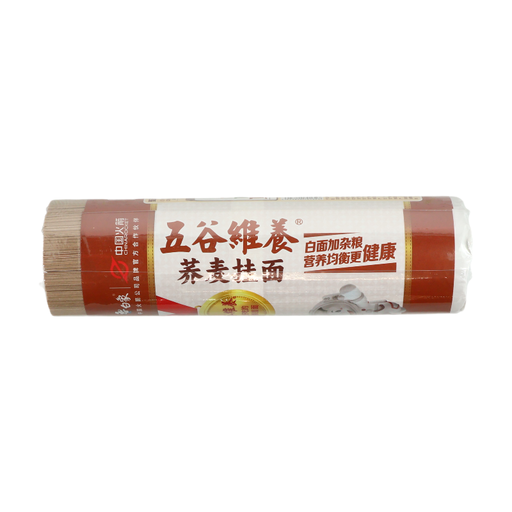
Why this fits the profile: The bulk pack is designed for households that cook noodles often and want to stock up on dried Asian noodles.
The packaging lists four main ingredients and gives the nutritional values per 100 grams. This means you can check the composition before buying a whole kilo.
1 kg content, 12 grams of protein and 2 grams of fat per 100 grams; suitable for soup, stir-fries and cold salads.
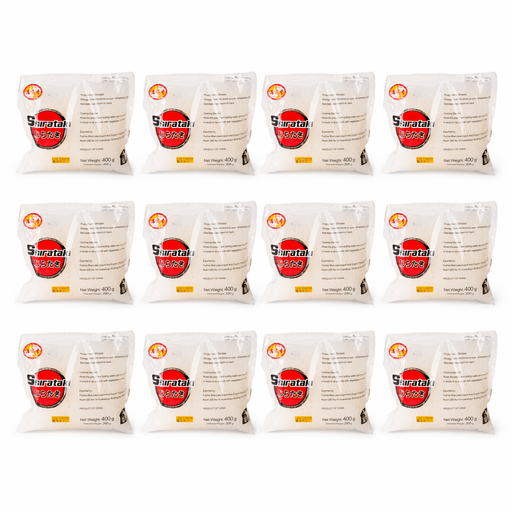
Why this fits the profile: These konjac noodles are ready to use after rinsing and heating. They work well in stir-fries, soups and salads when you want a different texture from dried soba.
The packaging clearly states that these are shirataki noodles made from konjac and that you need to rinse and heat them. This is not a one-to-one replacement for wheat or buckwheat noodles.
Portion pack of 400 grams, 7 kcal and 1.7 grams of carbohydrates per 100 grams according to the product data.
We've put together a full, up-to-date list of products that fully meet these strict selection criteria and comply with current European safety regulations.
Not always. Japanese soba generally refers to noodles made with buckwheat, but the exact percentage varies from product to product. So check the ingredients list. Some soba varieties are mostly made from wheat flour.
Follow the best-before date on the packaging and store the noodles in a cool, dry place away from direct sunlight. After opening, a well-sealed pack is important to prevent moisture and loss of quality.
Yes, depending on the dish. Shirataki noodles are made from konjac and have an elastic texture and neutral flavour. They are not the same as soba or noodles made with buckwheat flour, but they can be used in soup, salad and stir-fries.
