
Vandaag of morgen in huis

Kwaliteit gegarandeerd

Welkomstaanbiedingen ontgrendelen: GRATIS bezorging | Tot 80% korting | Gratis 30 dagen JoyPlus-proefperiode
Download de app
Buckwheat noodles work well in many dishes: from Japanese soba noodles and Chinese noodle soup to cold salads and stir-fries. However, not all varieties are the same. The name buckwheat noodles doesn't automatically tell you how much buckwheat flour they contain, how firm the noodles stay, or what size the packet is.
If you're planning to buy buckwheat noodles online, it's worth checking the label first. Three common pitfalls in particular can mean a product doesn't suit your kitchen as well as you'd expect.
Some dried buckwheat noodles contain 10 to 15% buckwheat flour, while others list 40% or even a minimum of 50%. This difference affects flavour, colour and texture. A higher percentage generally gives a more distinct nutty taste, but it can also mean you need to follow the cooking instructions more carefully.
Always check the quantitative ingredient declaration. If the front of the packet only says "buckwheat flour" without a percentage, it's hard to compare directly with other noodles.
Buckwheat is often associated with fibre and a varied diet. Yet many buckwheat noodles are mostly made from wheat flour and provide around 287 to 353 kcal per 100 grams of dry product. So don't just rely on terms like "healthy noodles", "0 fat" or "wholewheat noodles".
Compare the nutritional values per 100 grams for:
A product with 0 grams of fat can still be relatively high in carbohydrates. The overall meal – including sauce, oil, toppings and portion size – ultimately determines the nutritional value.
A 200g or 300g bag is handy if you want to try a product first. For a household that eats noodles often, an 800g or 1kg packet can be more practical. So work out the price per 100 grams and check the storage conditions after opening.
Dry noodles should be stored in a cool, dry place. Seal an opened packet well to keep out moisture and prevent odour transfer. Also, always check the best-before date on the packaging.
Most Japanese soba noodles and Chinese buckwheat noodles in this selection are blends of buckwheat flour and wheat flour. Wheat often provides elasticity and a firm bite, while buckwheat adds the recognisable flavour and dark colour.
Pay attention to the allergen wheat and gluten. Buckwheat is naturally not wheat, but a product containing wheat flour or wheat gluten is not gluten-free. If you have an allergy or intolerance, check the full ingredients list and allergen information. Don't take marketing language on the front of the packet as a substitute for the label.
The stated cooking time varies by product:
For noodle soup, you can add the noodles to the broth straight after cooking. For cold noodles, a quick rinse under cold water is practical to stop the cooking process. For stir-fries, you can cook them for slightly less time than the packet suggests, drain them, and then finish them in the pan.
A 200g packet is suitable for a small meal or for trying a new flavour. A 500g to 1kg bag is better for families, meal prep or regular use. Bear in mind that nutritional values are usually given per 100 grams of dry product, not per cooked portion.
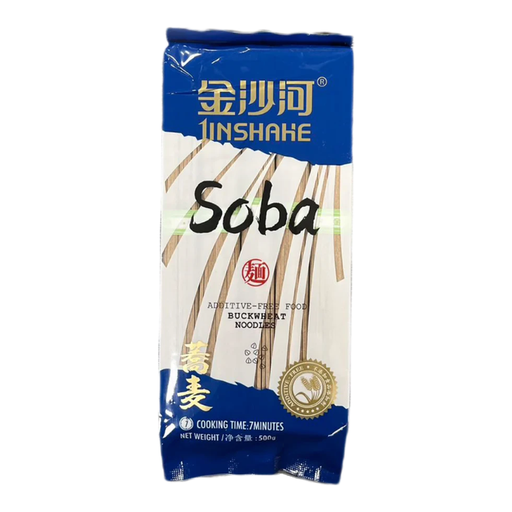
Why this fits the profile: The 500g packet offers a useful middle size for anyone wanting to try different dishes at home without buying a bulk pack straight away.
The buckwheat content is clearly stated as a minimum of 30%. This makes the composition easier to assess than with a product that has no percentage.
30% buckwheat flour, 5 grams of fibre per 100 grams of dry product, and suitable for soup, salads and hot or cold preparations.
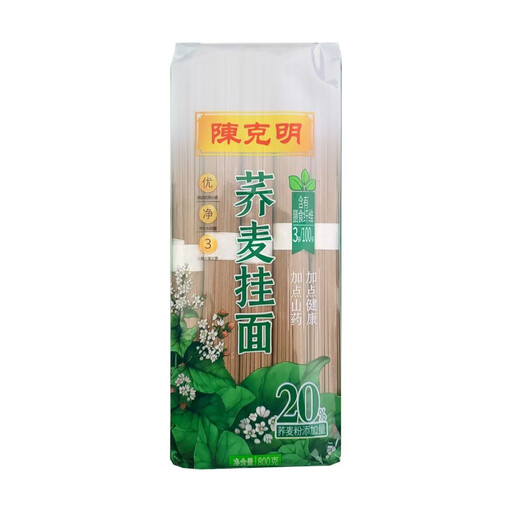
Why this fits the profile: This variety is designed for those who value a higher stated buckwheat content and a firm, smooth texture.
The product information states a minimum of 50% buckwheat flour and 3% yam flour. So you don't have to rely on the product name alone.
Minimum 50% buckwheat flour, 800g net weight, 1.7g fat per 100g, and suitable for soup, mixed noodles and cold salads.
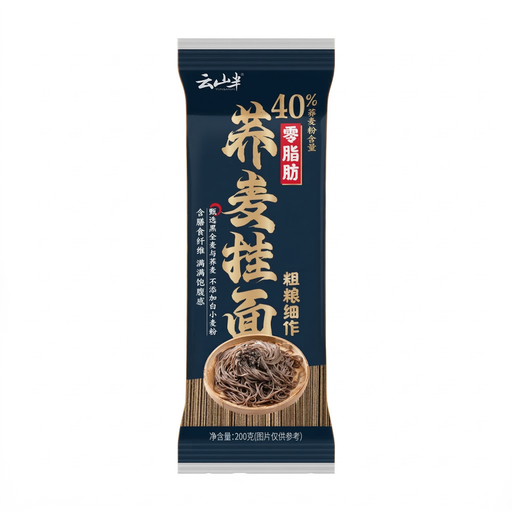
Why this fits the profile: A compact packet for athletes, small households, or anyone who wants to compare nutritional values across products.
The product details list both 40% buckwheat flour and 0 grams of fat per 100 grams. Also check the portion size and add sauce or oil mindfully.
40% buckwheat flour, 330 kcal and 0 grams of fat per 100 grams according to the product information; cooking time of around 3 to 5 minutes.
Use a large pan of boiling water and stir the noodles briefly after adding them to separate them. Stick to the cooking time on the packet and, if you like, taste one noodle before draining. For cold noodles, rinse them briefly under cold water. For stir-fries, it's wise not to overcook them, as they will continue to cook in the pan.
If you want a clear broth for noodle soup, it's best to use a separate pan. This way, less starch gets into the soup. Add sauces, vegetables, tofu, egg or other toppings only after draining, so you can control the amount of salt and oil yourself.
We've put together a full, up-to-date list of products that fully meet these strict selection criteria and comply with current European safety regulations.
Not automatically. Many products combine buckwheat flour with wheat flour or wheat gluten. So always check the allergen information. Only a clear gluten-free label on a suitable product gives you a reason to look further; the term buckwheat alone is not enough.
Unopened noodles can be stored until the date on the packet, as long as they are kept cool and dry. Once opened, they should be sealed well and preferably used fairly quickly. Moisture can affect the texture and cooking quality.
Yes. Many varieties work well for cold noodles, salads and soba-style preparations. Cook them according to the instructions, rinse briefly under cold water and drain thoroughly before adding dressing or toppings.
