
Vandaag of morgen in huis

Kwaliteit gegarandeerd

Welkomstaanbiedingen ontgrendelen: GRATIS bezorging | Tot 80% korting | Gratis 30 dagen JoyPlus-proefperiode
Download de app
At first glance, buckwheat noodles look very similar. Yet soba noodles, Korean buckwheat noodles and other dried noodles differ significantly in composition, flavour, portion size and cooking time. A packet bearing words like “zero fat”, “authentic” or “healthy” doesn’t tell the whole story.
When buying buckwheat noodles in the UK, these are the main pitfalls to watch out for:
The buckwheat content is a practical point of comparison for flavour and texture. More buckwheat flour generally gives a more pronounced earthy, nutty taste. The texture can be less elastic than noodles made mostly from wheat.
On Joybuy, for example, you’ll find different ratios:
A higher percentage isn’t automatically right for every dish. For a hearty Korean cold noodle salad, an elastic texture can be pleasant, while a light Japanese soba may be better with a more subtle flavour.
Some buckwheat noodles are sold as fat-free noodles or “zero fat”. Always check the nutritional information table per 100 grams. The YunShanBan variety with 40% buckwheat flour states 0 grams of fat, 330 kcal and 11.5 grams of protein per 100 grams. RISHIJI also states 0 grams of fat and 14.2 grams of protein per 100 grams.
Other products do contain fat: Toyoung states 2.5 grams and Baixiang 2.6 grams per 100 grams. That doesn’t have to be a problem, but it shows why the nutritional information table is more relevant than just the front of the packet. Also pay attention to salt, especially with seasoned instant products. Ottogi lists 3.96 grams of salt per 100 grams, even though the noodles themselves don’t come with a sauce.
Pure buckwheat is naturally wheat-free, but ready-made buckwheat noodles often contain wheat flour. In the product information for most of the varieties mentioned, wheat and gluten are listed as allergens. Soya beans, egg, sesame or mustard may also be present, especially in instant noodles with seasoning sachets.
Also pay attention to the cooking time:
Cook the noodles in plenty of boiling water and follow the packet instructions. Rinse them briefly with cold water for cold salads; for soup or stir-fry dishes, they can be used straight after draining.
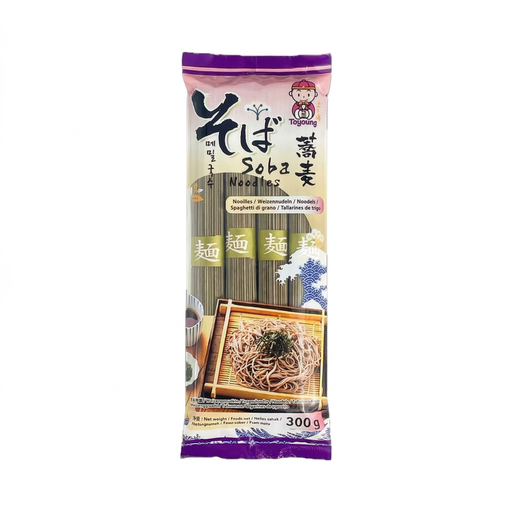
Why this fits the profile: A straightforward 300 g pack for anyone wanting to try Japanese soba at home without buying a bulk pack straight away. The noodles work well in soup, salad and stir-fry dishes.
The buckwheat content is clearly stated at 15%, so you can match your flavour expectations to the composition.
300 g, 15% buckwheat flour and a preparation suitable for both hot and cold dishes.
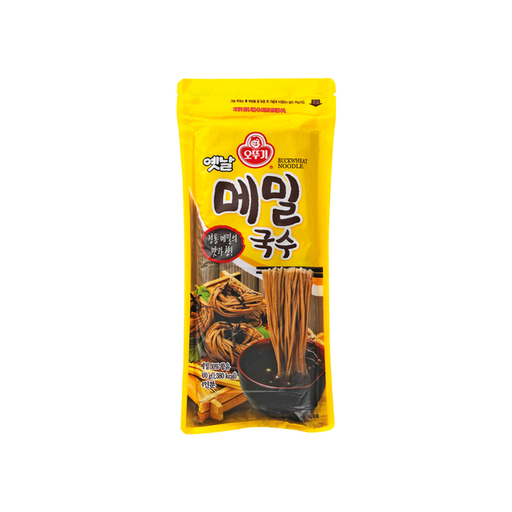
Why this fits the profile: These Korean buckwheat noodles contain 30% buckwheat flour and are designed for a firm, chewy texture in hot or cold preparations.
The buckwheat percentage is verifiable, and the relatively high salt content of 3.96 g per 100 g is also listed in the nutritional information.
30% buckwheat flour, 400 g per pack and suitable for Korean cold noodles or soup.
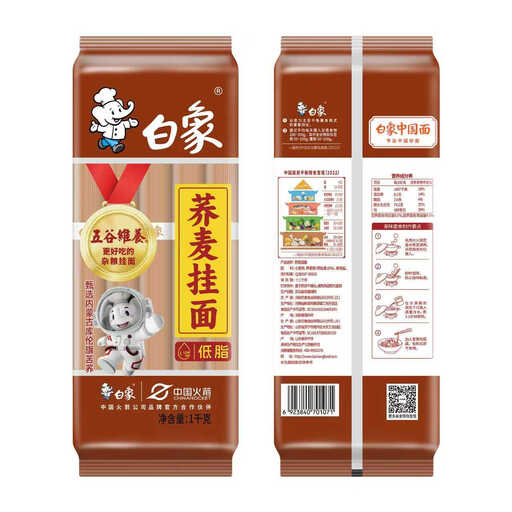
Why this fits the profile: The 1 kg pack is practical for households that regularly make Asian noodles, soups or stir-fry dishes.
The product states 10% buckwheat flour. This means you’re not buying a large pack expecting a very strong buckwheat flavour.
1 kg pack, 5 to 7 minutes cooking time and suitable for soup, cold noodles and wok dishes.
We’ve put together a full, up-to-date list of products that fully meet these strict selection criteria and comply with current European safety regulations.
Use a large pan of boiling water. Add the dried noodles and gently stir them apart in the first minute. Follow the cooking time on the packet and, if in doubt, taste one noodle before draining.
For cold Japanese soba or a noodle salad:
For soup and stir-fry dishes, you can cook the noodles for slightly less time, as they will continue to cook in the hot broth or wok.
Not automatically. Buckwheat itself doesn’t contain wheat, but many ready-made buckwheat noodles contain wheat flour or wheat gluten. Always check the ingredients list and allergen information. The products in this selection generally contain wheat and gluten.
Store unopened packs in a cool, dry place away from direct sunlight and moisture. The best-before date is on the packet. After opening, it’s a good idea to seal the bag tightly or transfer the noodles to an airtight container.
No. The nutritional values apply to the noodles themselves. Sauce, oil, broth, toppings and portion size all contribute to the composition of the final dish. So compare both the label and the ingredients you add.
