
Vandaag of morgen in huis

Kwaliteit gegarandeerd

Welkomstaanbiedingen ontgrendelen: GRATIS bezorging | Tot 80% korting | Gratis 30 dagen JoyPlus-proefperiode
Download de app
At first glance, buckwheat noodles all look very similar. However, their composition can vary considerably. Some varieties contain mostly wheat flour and only a small percentage of buckwheat flour. Others are designed for Korean cold noodle dishes, while Japanese soba noodles are often thinner and served differently.
If you rely solely on words like "healthy", "authentic" or "high in fibre", you run the risk of buying a product that doesn't suit the dish you have in mind. So always check the ingredients list, nutritional values, portion size and cooking instructions first.
"Buckwheat noodles" doesn't automatically mean buckwheat is the main ingredient. Hakubaku Cha Soba, for example, lists 1% buckwheat flour, alongside 97% wheat flour and 2% green tea powder. This makes these noodles suitable if you're after a subtle cha soba flavour, but less suitable if you specifically want noodles with buckwheat flour.
Always check the buckwheat content. The range includes varieties with 15%, 20%, 30% or 40% buckwheat flour.
A product with 0 grams of fat per 100 grams can still be high in carbohydrates. The YunShanBan variety, for instance, lists 0 grams of fat, but also 70.8 grams of carbohydrates and 330 kcal per 100 grams. That's not a problem in itself, but it is information worth knowing if you're planning portions for sport, weight management or a daily eating pattern.
So compare several values at once: energy, fat, carbohydrates, protein, salt and fibre. Also check whether the table refers to dry noodles or the prepared product.
For cold noodles and salads, you need noodles that stay firm after cooking. For noodles in soup, it's important that they don't fall apart too quickly or make the broth too cloudy. Stir-fry noodles also need to be sturdy enough to withstand a brief fry.
A cooking time of 3 to 5 minutes is not the same as being ready to eat straight away. Some products need to be boiled, while others only need to be heated through. So read the instructions on the packet before you stock up.
Ingredients are listed in descending order. If wheat flour comes before buckwheat flour, the product is mainly wheat. That's common with many soba noodles. If you're after a pronounced buckwheat flavour and a darker colour, look for a product with a higher buckwheat content.
Also pay attention to extra ingredients such as sweet potato starch, wheat starch, konjac or green tea. These affect the colour, texture and the best way to use the noodles.
Most dry buckwheat noodles in this selection contain wheat and gluten. Buckwheat itself is not a grain, but it's often combined with wheat flour in noodles. The Korean Wang variety also contains soya, sesame and mustard in the included soup base.
If you're looking for gluten-free noodles, don't just rely on the product name. Rice noodles and vermicelli can be an alternative, but they aren't buckwheat noodles. Browse the range of gluten-free noodles if avoiding gluten is important to you.
A 200g pack is practical for trying a product for the first time. For a household that regularly cooks Asian dishes, 500g or 1kg packs can be more cost-effective per portion. After opening, check the storage instructions and seal the packet airtight. Dry noodles should be stored in a cool, dry place, away from direct sunlight and moisture.
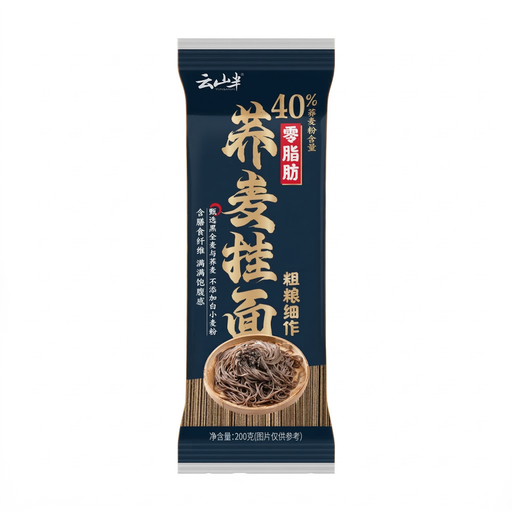
Why this fits the profile: This 200g pack is a manageable size for a first introduction to buckwheat noodles. The product can be used in soup, cold salads and stir-fry dishes.
The buckwheat content is clearly stated: 40%. That means you don't have to rely on the product name alone.
40% buckwheat flour, 0 grams of fat per 100 grams according to the product information, and a cooking time of around 3 to 5 minutes.
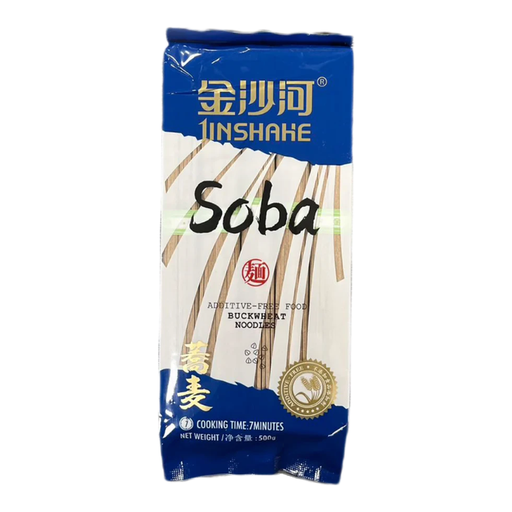
Why this fits the profile: The larger pack size suits fans of Japanese buckwheat noodles who regularly prepare hot or cold dishes.
The packaging states a minimum of 30% buckwheat flour. That's verifiable information rather than a vague flavour claim.
500g net weight, 5g of dietary fibre per 100g according to the product information, and suitable for both hot and cold dishes.
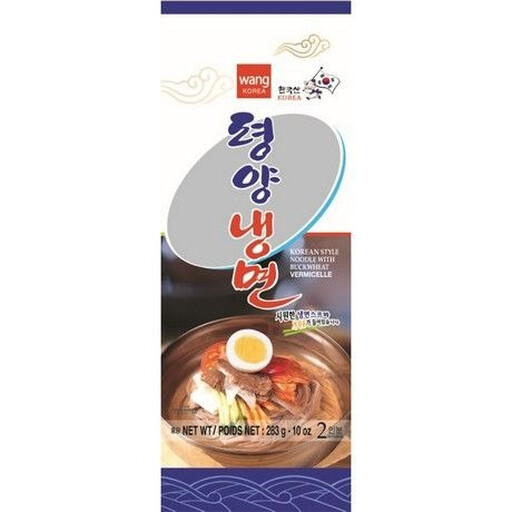
Why this fits the profile: These Korean buckwheat noodles appeal to fans of noodle soup and Korean dishes, with an included soup base.
The ingredients list distinguishes between the noodles and the soup base. This also shows you which allergens are present in the overall product.
Korean-style composition with wheat flour, sweet potato starch and buckwheat; the pack also includes a soup base.
We've put together a full, up-to-date list of products that fully meet these strict selection criteria and comply with current European safety regulations.
Not automatically. Many products contain wheat flour and are therefore not suitable for a gluten-free diet. Check the allergen information and only choose a product that is clearly labelled as gluten-free. Rice noodles are a possible alternative category, but they have a different taste and texture.
That depends on the composition and your nutritional goals. Buckwheat noodles can contain more buckwheat flour and dietary fibre, but some varieties are mostly wheat flour. So compare the buckwheat content, fibre, energy, carbohydrates and salt per 100 grams.
Follow the best-before date on the packaging. Store unopened noodles in a cool, dry place away from direct sunlight. After opening, it's best to seal the remaining noodles tightly and protect them from moisture. The preparation method and storage instructions can vary by brand.
