
Vandaag of morgen in huis

Kwaliteit gegarandeerd

Welkomstaanbiedingen ontgrendelen: GRATIS bezorging | Tot 80% korting | Gratis 30 dagen JoyPlus-proefperiode
Download de app
Buckwheat noodles work well in many Chinese, Japanese and Korean dishes. You can use them in broth, stir-fries or a cold noodle salad. However, the name does not automatically mean a product is mostly made from buckwheat. Some varieties contain only a small percentage of buckwheat flour and are essentially similar to ordinary wheat noodles in their composition.
If you are looking to buy buckwheat noodles, it is worth looking beyond terms like “light”, “high in fibre” or “authentic”. The ingredients list, nutrition table and serving size give a much clearer picture.
Always check the quantitative ingredient declaration. The percentages vary widely across the range:
A higher percentage can give a more pronounced, nutty buckwheat flavour, but it is not just about nutritional value. Texture, cooking time and the amount of wheat flour are equally important.
Products with 0 grams of fat per 100 grams can still be relatively high in carbohydrates. For example, RISHIJI lists 351 kcal and 72.1 grams of carbohydrates per 100 grams. YunShanBan 0 Fat lists 330 kcal and 70.8 grams of carbohydrates per 100 grams.
So look at the full table and pay attention to the difference between the dry product and a prepared portion. Sauces, oil, sesame and toppings can significantly change the final nutritional value.
Japanese soba noodles are often thin and suitable for serving cold with a dipping sauce. Korean buckwheat noodles usually have a firm, elastic texture and are used for cold dishes or spicy broths. Chinese buckwheat noodles are often wider or thicker and work well in soups and stir-fries.
The cooking method varies by product. A cooking time of 3 to 5 minutes is common, but some varieties need 5 to 7 minutes. For a cold preparation, briefly rinse the noodles with cold water to stop the cooking process.
If buckwheat flour appears near the top of the ingredients list, it makes up a larger part of the composition. If wheat flour comes first, you will usually get a milder flavour and a smoother, more elastic bite.
Also check for additions such as tapioca starch, sweet potato starch, yam flour, wheat gluten or oil. These ingredients can affect the firmness, mouthfeel and suitability for a particular dish.
Compare at least these values:
A product with 0 grams of fat is therefore not the same as a low-carb noodle. If you are looking for fewer carbohydrates, you can also browse the category low-carb noodles. Just be aware of the difference between buckwheat noodles and konjac or shirataki noodles: these are different product groups with a different composition and texture.
A 60-gram pack is handy for trying out a variety or preparing a single meal. A bag of 800 grams or 1 kilogram is more practical for a household that eats noodles regularly, but it does require dry, airtight storage once opened.
Store dried noodles in a cool, dry place away from direct sunlight. Use opened packs preferably within the time stated on the label. Also always check the allergen information: many buckwheat noodles contain wheat and gluten.

Why this fits the profile: The 60-gram pack makes it easy to try them out without buying a large stock straight away. The cooking time is 5 minutes according to the product information.
The buckwheat percentage is clearly stated at 20%, and the nutrition table lists 0 grams of fat per 100 grams. This means the main claims can be verified.
20% buckwheat flour, 14.2 grams of protein per 100 grams, and suitable for hot or cold preparations.
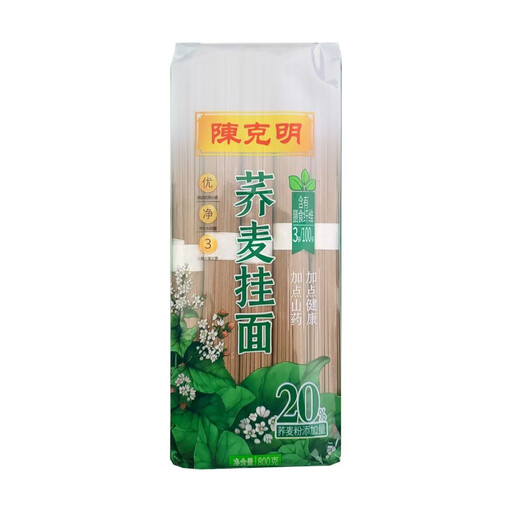
Why this fits the profile: This pack contains 800 grams and states at least 50% buckwheat flour. That suits anyone looking for a pronounced buckwheat flavour and a stock for multiple meals.
The amount of buckwheat flour is explicitly stated. The nutritional information is also provided: 1.7 grams of fat and 12 grams of protein per 100 grams.
At least 50% buckwheat flour, 800 grams content, and suitable for soup, mixed noodles and cold salads.
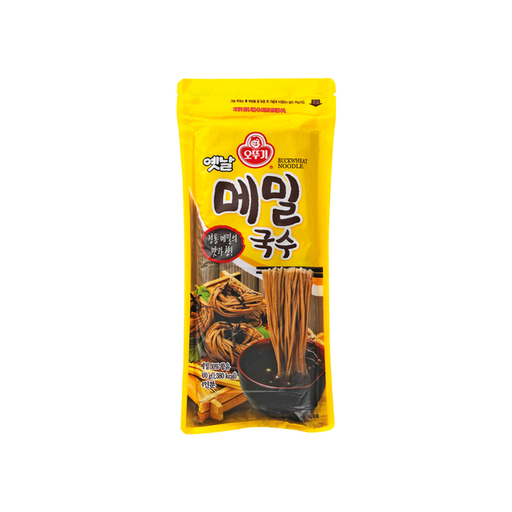
Why this fits the profile: With 30% buckwheat flour, 400 grams content and a firm texture, this Korean variety is ideal for noodle lovers who like to vary their cooking.
The product information lists tapioca starch and oat fibre alongside buckwheat and wheat flour. The nutrition table also states 3.96 grams of salt per 100 grams – useful information when planning a meal.
30% buckwheat flour, 12 grams of protein per 100 grams, and a Korean noodle texture suitable for cold or hot dishes.
We have put together a full, up-to-date list of products that fully meet these strict selection criteria and comply with current European safety regulations.
Not as a rule. Many products contain wheat flour or wheat gluten. Even when buckwheat appears to be the main ingredient, you should check the allergen information on the packet. If you are looking for gluten-free noodles, only choose a product where this is clearly stated in line with European labelling requirements.
The exact shelf life is stated on the packet. Unopened dried noodles generally keep well for a long time if stored in a cool, dry, dark place. Once opened, moisture and odours from the cupboard can affect quality. So seal the bag properly or use an airtight container.
Yes, many varieties are suitable, but the cooking time and texture differ. Thinner Japanese soba noodles work well for cold preparations. Firmer Chinese or Korean buckwheat noodles can better withstand stir-frying and a strong broth. Check the usage instructions and only rinse when the recipe calls for it.
