
Vandaag of morgen in huis

Kwaliteit gegarandeerd

Welkomstaanbiedingen ontgrendelen: GRATIS bezorging | Tot 80% korting | Gratis 30 dagen JoyPlus-proefperiode
Download de app
Buying Asian products online may seem straightforward, but product pages don’t always show what matters for everyday use. A large pack, for example, may be less convenient if it has a short shelf life. A bowl might look spacious but still not be deep enough for soup. And terms such as “powerful” or “quiet” don’t tell you much about a kitchen appliance without specific details.
This guide helps you compare Asian food, tableware and kitchen appliances using verifiable details. That way, you can make a more informed choice between Korean noodles, instant ramen, Japanese noodles, Chinese noodles, ceramic noodle bowls and stand mixers.
Attractive packaging doesn’t tell you how much salt or how many allergens or portions a product contains. With instant ramen, the cooking instructions and included sachets can also vary. So always check:
For example, according to the product information, Nongshim Shin Ramyun Black contains wheat, egg, sesame, soya, fish and molluscs. It’s important to check the label if you need to take allergies or intolerances into account.
A 900-gram pack may seem like good value, but it’s only right for your household if you use the product regularly. For a one-person household, multipacks with five portions can sometimes be more practical than a large bag. Also consider storage: dried noodles should be kept in a cool, dry place away from direct sunlight.
When choosing Asian tableware, the material, dimensions and usage restrictions matter more than the pattern alone. Check whether a bowl is suitable for the microwave and dishwasher, and look out for warnings about thermal shock.
For a stand mixer, bowl capacity, motor power, speed settings, attachments and dimensions are key. A mixer with a large bowl takes up more worktop space, so check in advance that it will fit in your kitchen.
Korean noodles are often known for spicy sauces or rich broths. Jjajangmyeon noodles, such as Wang Jjajang Noodles For Jjajangmyeon, are made from wheat flour, salt and water. The black bean sauce isn’t included, so you can add your own sauce and toppings.
With instant ramen, it’s worth checking whether the noodles are intended for soup or served dry. According to the product information, KOMEYA FIDEOS Spicy Turkey Noodles are boiled, drained and then mixed with sauce and sesame-seaweed seasoning. Wu Gu Dao Chang noodles, on the other hand, are prepared as a soup with water and the seasoning sachets.
Check the portion size and salt content. For example, the nutritional information for Nongshim Shin Ramyun Black Multi lists 1.3 grams of salt per 100 grams, while some other instant noodles have higher levels. This isn’t a judgement on flavour, but it is a verifiable difference between products.
A ceramic noodle bowl is suitable for ramen, soup and rice dishes when its shape and capacity suit your portions. When comparing options, look at:
A 3-piece ceramic set with a bowl, plate and spoon can be practical for a student room, flat or first kitchen. A single Japanese ceramic bowl makes more sense if you’re looking for a particular bowl or a plate for ramen, pasta or curry.
For baking accessories and everyday baking, the attachments are just as important as the power. The AUCMA models in this range come with a whisk, dough hook, beater and splash guard.
Also compare:
A stated noise level is a product specification, not a guarantee that the mixer will seem quiet in every kitchen. Your surroundings, the speed setting and the amount of dough all affect how it sounds in use.
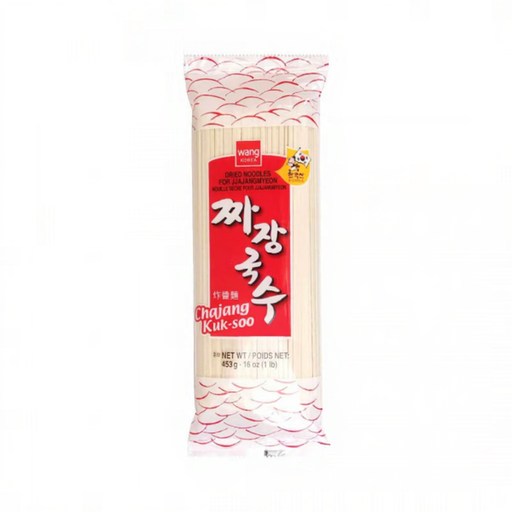
Why it suits this profile: A dry jjajangmyeon noodle base that lets you choose your own sauce, vegetables and protein. Handy if you want to make Korean noodles at home without buying a large ready-made selection straight away.
The ingredients and allergens are clearly listed. It also makes clear that the sauce isn’t included, so you know what to expect.
453-gram pack; simple ingredients of wheat flour, salt and water; suitable as a base for jjajangmyeon.
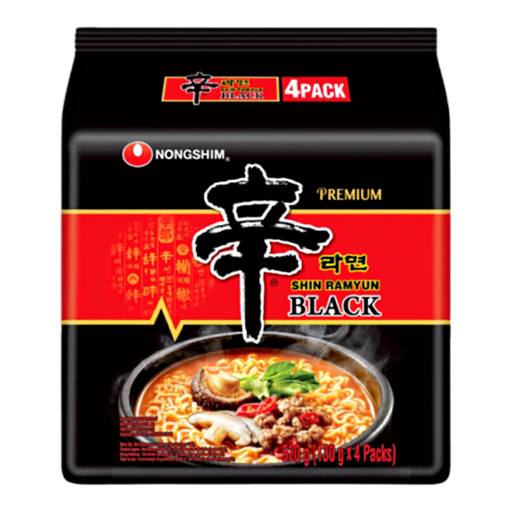
Why it suits this profile: A multipack for fans of spicy noodles who want to keep several portions at home. The product information describes a rich, spicy noodle soup and states that it comes from South Korea.
The pack contains four portions, and the product page lists nutritional values and allergens. Always check the physical label before eating.
4 x 130 grams; stated nutritional value of 429 kcal per 100 grams; clear information about several allergens.

Why it suits this profile: Designed for home cooks and keen bakers who make larger quantities of dough, batter or cream. The 6-litre bowl and three standard attachments are suited to a range of baking recipes.
The product description gives specific details: 450 watts, 6 speeds, a pulse function, dimensions of 40,7 × 26,8 × 33,2 cm and a maximum continuous operating time of 6 minutes.
6-litre stainless steel bowl; whisk, dough hook and beater; tilt-head and anti-slip suction cups, according to the product information.
We’ve put together a complete, up-to-date list of products that meet these strict selection criteria and the applicable European safety regulations.
Instant ramen is usually quick to prepare, but cooking times vary by product. Some noodles are eaten as soup, while others are drained after cooking and mixed with sauce. So check the instructions on the pack. Also look at the allergens and salt content per 100 grams.
Check the size, depth, material and information about microwave and dishwasher use. Don’t use a bowl if it’s cracked or damaged. Also avoid sudden temperature changes, as these can cause ceramic to break.
Look at the bowl capacity, motor power, speed settings and attachments. A 6-litre bowl can be practical for larger quantities. Also check the dimensions, recommended operating time and whether the mixer will stand securely on your worktop. This helps you compare kitchen mixers based on how they’ll work in practice, rather than on marketing terms alone.
