
Vandaag of morgen in huis

Kwaliteit gegarandeerd

Welkomstaanbiedingen ontgrendelen: GRATIS bezorging | Tot 80% korting | Gratis 30 dagen JoyPlus-proefperiode
Download de app
Buckwheat noodles work well in Japanese soba dishes, Korean recipes and Chinese noodle soups. However, the front of a packet doesn't always tell you how much buckwheat is actually inside. A dark colour, or words like "light" or "zero fat", can be misleading. If you only go by these clues, you might end up buying a product that doesn't suit a gluten-free, low-carb or high-fibre diet.
The buckwheat percentage varies significantly from product to product. NH Buckwheat Noodles contains 20% buckwheat flour according to the product information, while Ottogi Buckwheat Noodles states 30% buckwheat flour. Hakubaku Cha Soba, on the other hand, contains just 1% buckwheat flour alongside wheat flour and green tea.
Always check the ingredients list and the quantitative ingredient declaration. If wheat flour appears first, the noodle is mostly made of wheat.
Buckwheat is naturally wheat-free, but many buckwheat noodles do contain wheat flour or wheat gluten. This means that various Japanese soba noodles, Korean buckwheat noodles and Chinese buckwheat noodles are not suitable for people who need to avoid gluten.
Look out for mentions of wheat flour, wheat gluten and cereals containing gluten. If you're searching for gluten-free noodles, don't just rely on the name – check the full allergen information. Konjac noodles and shirataki noodles are often an alternative, but you still need to read the label.
A product with 0 grams of fat can still be relatively high in carbohydrates. For example, YunShanBan 0 Fat Buckwheat Noodles states 0 grams of fat and 70.8 grams of carbohydrates per 100 grams. That makes it a low-fat option, but not automatically a low-carb noodle.
So compare energy, carbohydrates, protein, salt and portion size on the same basis. Also check whether the nutritional values refer to dry noodles or to the product as sold.
If you're looking for a more pronounced buckwheat flavour and a firmer texture, compare products with a higher stated buckwheat percentage. Jin Sha He states at least 30% buckwheat flour, Ottogi 30% and YunShanBan 40% in the "0 Fat" variant. Other products, such as BaiXiang with 10% or 15%, have a milder buckwheat character.
Also look at additions such as starch, thickeners, oil and stabilisers. That's not necessarily a problem, but it helps you compare products fairly.
Pay particular attention to these values:
For example, City Aroma Shirataki Fine Noodles states 7 kcal and 1.7 grams of carbohydrates per 100 grams. That's a completely different product category from dry buckwheat noodles. The taste, texture and nutritional value are therefore not directly comparable.
Dry noodles usually need to be boiled for 3 to 7 minutes. YunShanBan recommends 3–5 minutes, Bai Xiang 4–6 minutes and Wheatsun 5–7 minutes. Use plenty of water and follow the packet instructions; boiling for too long can make the texture softer.
For cold noodles, a quick rinse under cold water is practical. For soup and stir-fry dishes, you can combine the drained noodles directly with broth, vegetables, tofu, egg or another source of protein. Shirataki and konjac varieties are often ready to use: rinsing and heating is all that's needed, according to the product information.
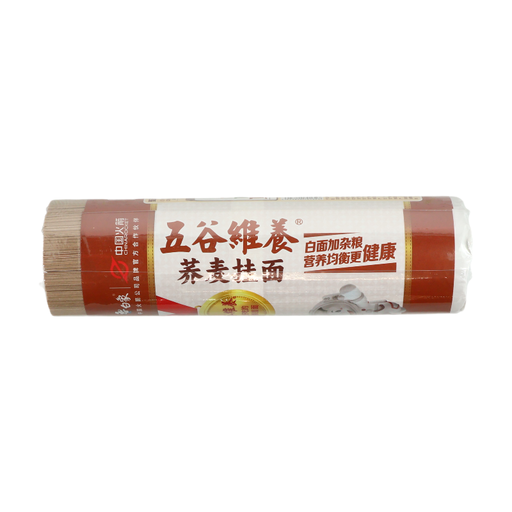
Why this fits the profile: The 1 kg pack is practical for households that regularly make noodle soup, stir-fries or cold noodle dishes.
The product information lists four main ingredients and clearly identifies wheat as an allergen. This means you can quickly see that it is not a gluten-free noodle.
1 kg content; 346 kcal, 2.0 g fat and 12.0 g protein per 100 g according to the label; suitable for soup, wok and cold salads.
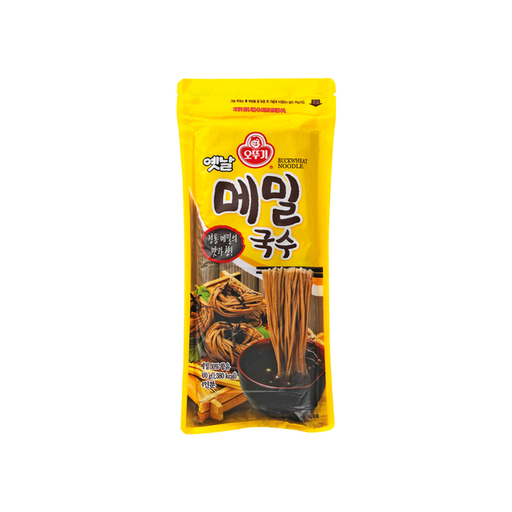
Why this fits the profile: The Korean recipe with 30% buckwheat flour appeals to those who enjoy a firmer noodle with a distinct grain character.
The buckwheat percentage is clearly stated in the ingredients list. Wheat flour is also listed, so you don't have to guess the gluten information from the product name.
30% buckwheat flour; 400 g pack; 330 kcal and 0.9 g fat per 100 g according to the product information.
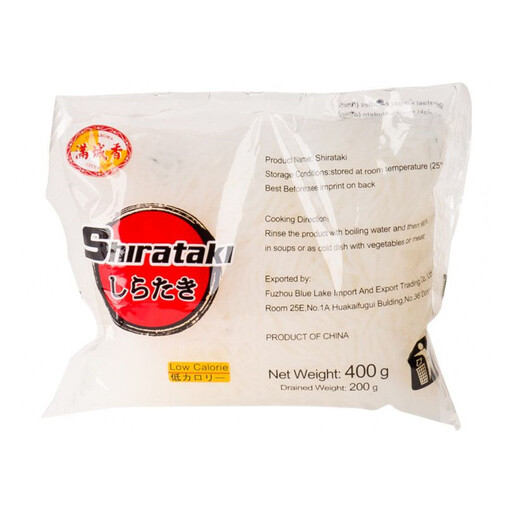
Why this fits the profile: These ready-to-use konjac noodles are designed for anyone who wants a quick, light base for soup, salad or a stir-fry.
The product information clearly states that it is konjac and that the noodles are ready after rinsing and heating. So don't expect a buckwheat flavour or the same texture as dry soba noodles.
400 g pack; 7 kcal and 1.7 g carbohydrates per 100 g; ingredients based on water, konjac flour and calcium hydroxide.
We've put together a full, up-to-date list of products that fully meet these strict selection criteria and comply with current European safety regulations.
Not automatically. Many products combine buckwheat flour with wheat flour or wheat gluten. Always check the allergen information. Konjac and shirataki noodles can be a gluten-free alternative when the label does not list any gluten-containing ingredients.
Cook them in plenty of boiling water for the time stated on the packet. Drain them well and rinse briefly with cold water if you're serving them cold. For soup or stir-fry dishes, you can add them straight after draining. The exact cooking time varies by type and brand.
No. Buckwheat noodles are usually dry noodles made from buckwheat and wheat flour. Konjac noodles, also called shirataki noodles, are made from konjac flour and typically have a neutral taste and an elastic texture. Choose buckwheat for a grain flavour; choose konjac when a low-energy, low-carb base is more important.
