
Vandaag of morgen in huis

Kwaliteit gegarandeerd

Welkomstaanbiedingen ontgrendelen: GRATIS bezorging | Tot 80% korting | Gratis 30 dagen JoyPlus-proefperiode
Download de app
When buying buckwheat noodles, it’s easy to focus on the name ‘soba’ or attractive packaging. But this can be misleading. Many Japanese soba noodles contain mostly wheat flour, while some Korean buckwheat noodles include extra starch or flavourings. Instant soba noodles are convenient, too, but they’re not always the best choice if you want to control the ingredients and salt content yourself.
This practical guide will help you know what to look for before buying buckwheat noodles.
The term soba refers to a Japanese style of noodle, but the buckwheat content varies considerably between products. For example, according to its product specifications, Jin Sha He Buckwheat Noodles contain at least 30% buckwheat flour, while Toyoung Soba Noodles contain 15%. Wang Japanese Soba Noodles list just 3% buckwheat alongside 90.5% wheat flour.
So always check the ingredients list and the quantitative ingredient declaration. If wheat flour is listed first, it’s the main ingredient.
Dried buckwheat noodles are often low in fat, but are still mainly a source of carbohydrates. Instant soba noodles may also contain oil, sauce powder and flavourings. For example, Nissin Japanese Soba Noodles Cup Classic lists 4.1 grams of salt per 100 grams, while the pack contains a 90-gram serving.
So don’t compare fat or calories alone. Check:
Not every type works equally well in soup, salad or a stir-fry. Thin dried buckwheat noodles can soften quickly if you cook them for too long. Cold noodles usually need to be rinsed after cooking to remove the starch. Instant varieties are designed for convenience and often come with a seasoning base.
So think about how you’ll use them first: are you looking for noodles for soup and stir-fries, a quick lunch or a chilled Korean meal?
A higher stated buckwheat percentage usually means a more pronounced buckwheat flavour and a darker colour, but the noodles may also have a firmer or more brittle texture. Products containing 15 to 20% buckwheat flour are often a good choice if you’re new to cooking soba. If you’re looking for a more pronounced nutty flavour, try a variety with at least 30% buckwheat flour.
Bear in mind that buckwheat is naturally wheat-free, but many commercial noodles contain wheat flour. If you have an allergy or intolerance, always check the label. Wheat is listed as an allergen in several products in this range.
A 200 or 300-gram pack is a good fit for smaller households or occasional use. A 500 to 800-gram bag is more practical if you cook Asian noodles regularly. Store opened dried noodles in a sealed container in a cool, dry place. Always follow the pack instructions for exact storage life and cooking method.
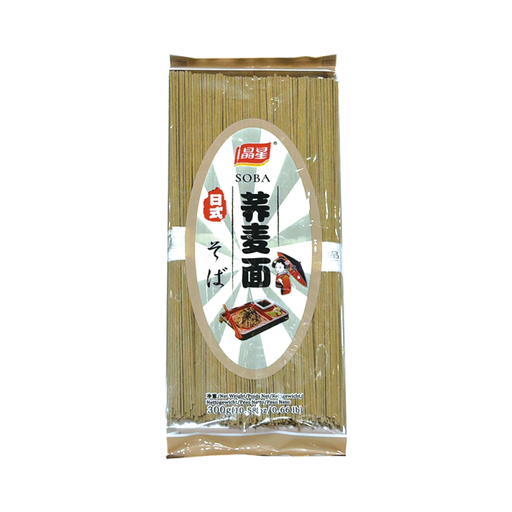
Why it suits this profile: The 300-gram pack is a manageable size if you’re trying dried buckwheat noodles for the first time. The product specifications list 15% buckwheat flour and give instructions for boiling in water.
The stated buckwheat percentage means you don’t have to rely on the name ‘soba’ alone. The smaller pack helps reduce waste if you only use them occasionally.
15% buckwheat flour, 300-gram pack, suitable for soup or serving with sauce.
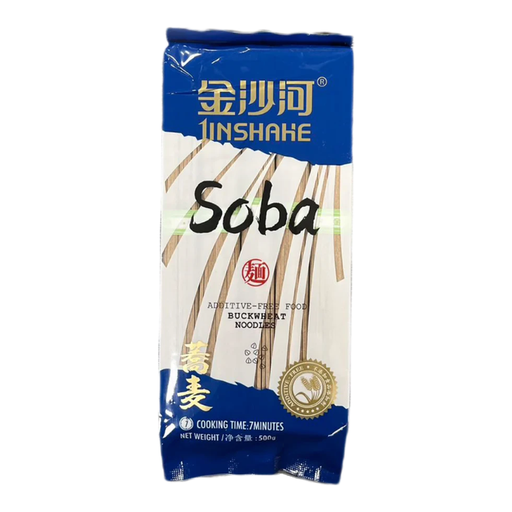
Why it suits this profile: If you’re after a stronger buckwheat flavour, these noodles contain at least 30% buckwheat flour according to the product specifications. The 500-gram pack is ideal for regular cooking.
The buckwheat percentage is clearly stated, so you don’t have to rely on vague terms such as ‘authentic’ or ‘wholesome’.
At least 30% buckwheat flour, 500-gram pack, suitable for hot or cold dishes.
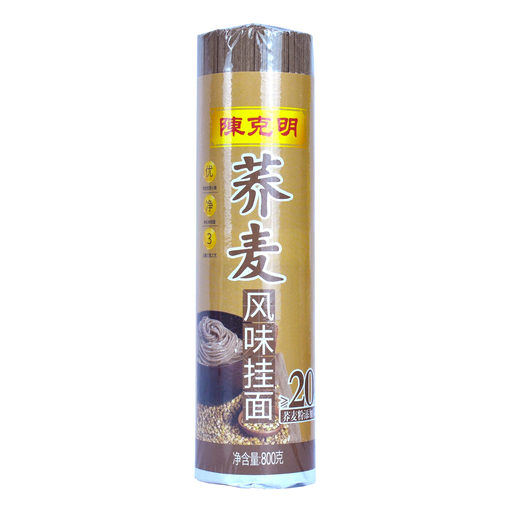
Why it suits this profile: The large pack is ideal for households that regularly make soup, stir-fried noodles or cold noodle dishes. The specifications list at least 20% buckwheat flour and 3% yam powder.
The recommended uses are clearly stated: soup, serving cold and stir-frying. That makes it easier to choose a pack size that suits frequent use.
800-gram pack, at least 20% buckwheat flour and a firm texture thanks to the wheat gluten.
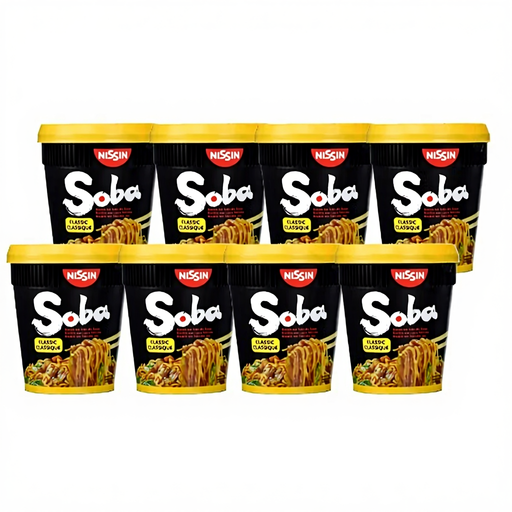
Why it suits this profile: According to the product information, these cup noodles are made by adding boiling water and leaving them to stand for 3 minutes. They’re a good fit for a quick lunch or for keeping in your bag when you’re out and about.
The preparation steps and individual portion packs are clearly explained. Be sure to check the listed allergens and salt content first.
8 cups of 90 grams, ready in around 3 minutes, with a separate seasoning sachet.
We’ve put together a complete, up-to-date list of products that meet these strict selection criteria and current European safety requirements.
For stir-fries, cook the noodles for slightly less time, as they’ll continue cooking in the pan. For instant varieties, follow the cup instructions and take care when draining if the product has a draining hole in the lid.
No. Soba noodles can be made with a combination of wheat flour and buckwheat flour. The proportion varies by brand and product, so check the ingredients list rather than relying on the product name alone.
Dried soba noodles and products specifically labelled as cold noodles are suitable. Rinse cooked noodles with cold water and follow the preparation instructions. Some Korean varieties come with a separate sauce or soup base.
The storage life is stated on the pack. Store unopened packs in a cool, dry place, away from moisture and direct sunlight. Once opened, seal the pack securely to help prevent the noodles from absorbing moisture.
