
Vandaag of morgen in huis

Kwaliteit gegarandeerd

Welkomstaanbiedingen ontgrendelen: GRATIS bezorging | Tot 80% korting | Gratis 30 dagen JoyPlus-proefperiode
Download de app
Buckwheat noodles might seem like a straightforward purchase at first. However, soba noodles can vary considerably in their ingredients, flavour, packaging and uses. A dark colour, for example, doesn’t automatically mean they contain a lot of buckwheat. And “soba” doesn’t always mean an authentic Japanese product: some varieties are made mainly from wheat flour.
There are three common pitfalls for households in the Netherlands:
The buckwheat content affects the flavour, colour and texture. A higher percentage usually gives the noodles a more pronounced nutty flavour, but can also change their bite and leave less room for variation in cooking time.
The range includes products with varying percentages:
Look for the quantitative ingredient declaration. If it says “buckwheat flour 20%” or “buckwheat flour ≥20%”, that’s more specific than a general description such as “made with buckwheat”.
A low fat content may matter if you’re keeping an eye on it, but it doesn’t automatically make a product suitable for every diet. Dried noodles are mostly made up of carbohydrates. The sauce or stock can also add a lot of salt.
For comparison:
These figures are per 100 grams and aren’t always directly comparable with a prepared portion. With instant soba noodles, remember to include the seasoning too. Nissin Soba Cup Classic, for example, lists 4.1 grams of salt per 90-gram cup. Use the nutrition table as a practical point of comparison, rather than relying on the front of the pack alone.
Many Japanese soba noodles, Korean buckwheat noodles and Chinese buckwheat noodles contain wheat flour or wheat gluten. That includes several products in this selection, so they’re not suitable if you need strictly gluten-free noodles.
Examples:
If you have an allergy, always check the current packaging. Product information can change, and the risk of cross-contamination can vary between manufacturers.
Firm dried buckwheat noodles are handy for soups and stir-fries. If you’re using cooked noodles in a cold salad, you can briefly rinse them in cold water. This helps remove excess starch and preserve their texture.
Cooking times of around 3 to 7 minutes are common in product information. The exact time depends on the noodles’ thickness and ingredients. Cook them in plenty of boiling water, stir occasionally and follow the pack instructions where possible. Taste them towards the end of the cooking time to avoid overcooking.
Instant soba noodles are convenient for a quick meal, but they’re different from plain dried noodles without seasoning. A cup often contains palm oil, flavour enhancers and a relatively high amount of salt. Choose this format for convenience when you’re out and about or at work, and compare the nutritional values for the whole cup.
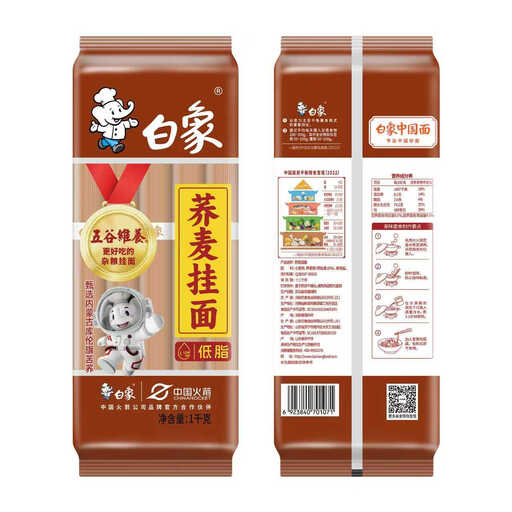
Why it suits this profile: The 1 kg pack is practical if you eat noodles regularly and want to stock up. It contains 10% buckwheat.
The exact buckwheat percentage is listed, so you don’t have to rely on the dark colour or product name alone when comparing noodles.
1 kg pack; suitable for soups, cold noodles and stir-fries; cooking time of around 5 to 7 minutes.
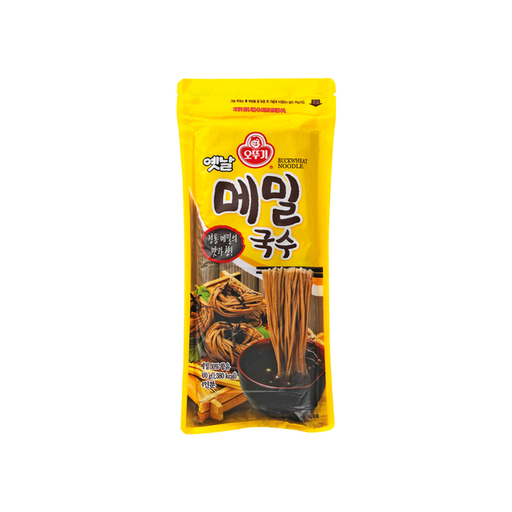
Why it suits this profile: According to the product information, this Korean variety contains 30% buckwheat flour and is designed to have a firm, chewy texture.
The buckwheat percentage is shown in the ingredients list, and the presence of wheat is also clearly stated.
30% buckwheat flour; 400 g pack; suitable for Korean cold noodles and other dishes.
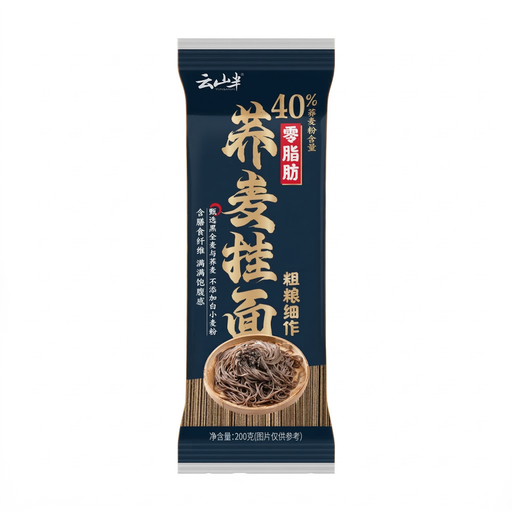
Why it suits this profile: The small pack and stated buckwheat content of 40% suit measured portions and a clear focus on low fat content.
You can check the “0 fat” claim against the nutrition information, which lists 0 grams of fat per 100 grams.
40% buckwheat flour; 330 kcal and 0 grams of fat per 100 grams according to the product information; cooking time of around 3 to 5 minutes.
We’ve put together a complete, up-to-date list of products that meet these strict selection criteria and the applicable European safety regulations.
Not necessarily. Buckwheat itself contains no gluten, but many noodles are made with a combination of buckwheat flour and wheat flour. Always check the ingredients list and allergen information. If you need to avoid gluten strictly, only choose a product clearly labelled as gluten-free.
Bring plenty of water to the boil and add the dried noodles. Cook them according to the instructions on the pack, usually for around 3 to 7 minutes. Stir while they cook, and briefly rinse them in cold water for a salad or cold soba dish. For soup, you can add them straight to the stock after draining.
The best-before date is shown on the pack. Store the unopened noodles in a cool, dry place, away from moisture and direct sunlight. Seal an opened pack tightly and follow the manufacturer’s instructions. Dried noodles are handy to keep in the cupboard, but always check the pack for damage or moisture before use.
